TL;DR

Get kitchen gear delivered free — and shop member deals
- Fast, free delivery on millions of items
- Access to Prime Big Deal Days deals on October 6–7
- Prime Video, Amazon Music and more included
Online search and coverage interest in reviving bland soup is currently spiking, according to trend-tracking metadata. The exact trigger is unconfirmed. Long-established cooking knowledge — salting in stages, using acid and umami-rich ingredients — offers reliable, low-cost fixes.
Online interest in reviving bland soup is spiking, according to trend-signal metadata from food-related content channels, with readers searching for quick ways to fix flat-tasting pots of soup. The topic surfaced via an RSS-tracked food item, and while the surge in attention is observable, what triggered it remains unconfirmed. The interest comes as home cooks continue looking for low-cost ways to improve everyday meals amid elevated grocery prices.
The trend signal itself is narrow: a food-topic item titled “The Simple Trick for Reviving Bland Soup” circulating through an RSS feed, indicating elevated search and content coverage around soup seasoning. No specific announcement, study, product launch, celebrity chef statement, or named expert is tied to the item in the available metadata. Any claim about a single “trick” should be treated as content framing rather than verified reporting.
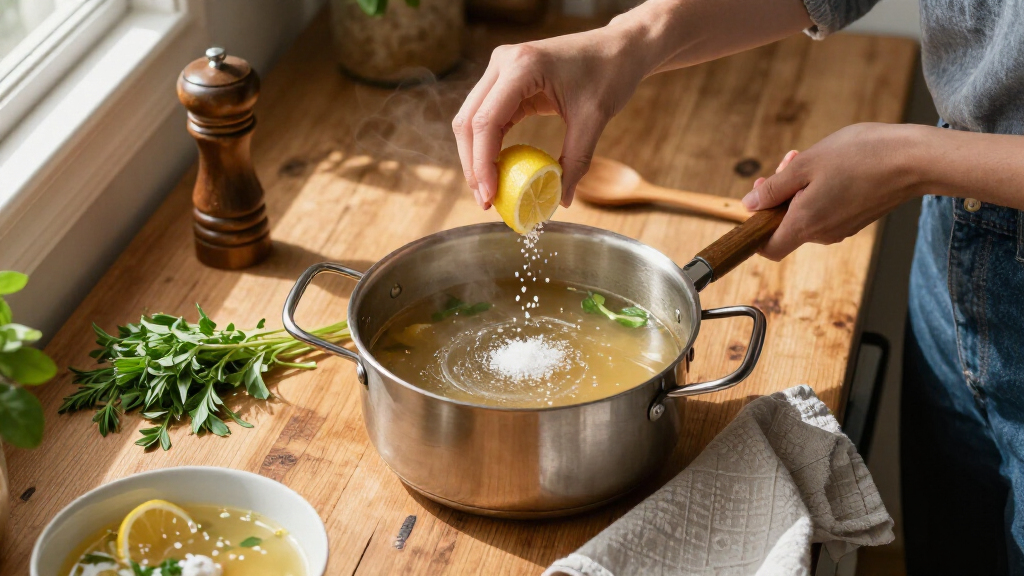
What is well established, independent of the trend, is the body of standard culinary knowledge on the subject. Cooks and food editors have long advised that bland soup is usually a problem of under-seasoning, insufficient acid, or missing umami — not a failed recipe. Common long-standing fixes include seasoning with salt in small additions and tasting between each, adding acidity with a squeeze of lemon juice or a splash of vinegar at the end of cooking, and boosting savory depth with ingredients such as soy sauce, fish sauce, parmesan rind, tomato paste, or miso.
Other widely accepted techniques include simmering the soup uncovered for a short time to concentrate flavors through reduction, building a better base by sautéing aromatics like onion, garlic, and celery before adding liquid, and finishing with fresh herbs added late in cooking so their flavor survives the heat. These methods are standard across cookbooks and food publications and require no special equipment.
Why Soup Fixes Draw Readers Now
The spike matters because it reflects a practical, budget-driven concern: soup is one of the cheapest meals to make in bulk, and a pot that tastes flat is a real cost when ingredients are expensive and leftovers are part of the household food budget. Knowing how to adjust seasoning, acid, and umami at the end of cooking can rescue a batch that would otherwise be wasted or endured.
The trend also illustrates how food content behaves online. Interest in basic technique questions — seasoning, rescuing, salvaging — tends to rise with seasonal cooking and cost pressure, and headline framing like “the simple trick” reliably attracts clicks even when the underlying advice is a set of familiar methods rather than a genuine discovery. Readers benefit from separating the long-established guidance from the marketing language around it.
Long-Standing Soup Seasoning Advice
Soup-rescue guidance is a staple genre of food media and has been for decades. Standard cookbook advice holds that soup improves with time as flavors meld, but that the cook’s last adjustments — salt, acid, and fat — carry disproportionate weight in the final taste. The practice of adding acid at the end, in particular, is a recurring recommendation in professional kitchens and home-cooking references alike, because brightening with lemon or vinegar often corrects the “flat” quality cooks describe as blandness.
Seasonal patterns are also a plausible backdrop. Soup content typically sees more attention in colder months, when batch cooking is common. That context is plausible for the current interest, but the metadata available does not confirm seasonality, a specific viral post, or a news event as the driver.
What the Trend Data Doesn’t Show
The trigger for the spike is not confirmed. The available metadata shows only that the topic is circulating and drawing attention in food channels. It does not identify a specific article, video, chef, publication, recipe, or news event responsible. Claims that there is one definitive “simple trick” are content framing, not verified fact.
Also unclear: how large the interest spike is in absolute terms, how long it will last, whether it is tied to a particular season or shopping trend, and whether any new technique or product underlies the coverage. No named individuals, brands, or studies appear in the verified information.
Where the Soup Trend Goes From Here
If the interest follows the usual pattern for food-content trends, coverage will likely continue for a short cycle, with publications and creators repackaging standard seasoning, acid, and umami advice under attention-grabbing headlines. Readers searching the topic can expect consistent, well-established recommendations rather than a novel discovery.
Whether the trend signals a broader shift — such as increased budget cooking content during colder months or amid grocery-price pressure — would require longer-term data that is not available here. Cooks looking to apply the advice now can start with the basics: taste, adjust salt gradually, add a small amount of acid, and simmer to reduce if the broth tastes thin.
Key Questions
Is there actually one “simple trick” for fixing bland soup?
No single verified trick is confirmed. The trending framing points to standard advice: season with salt gradually, add acid like lemon juice or vinegar, and boost umami with ingredients such as soy sauce, miso, or parmesan rind.
Why is soup often bland even when following a recipe?
Long-established cooking guidance says flavors dilute as liquid and vegetables cook, and salt added early can taste weaker by the end. That is why cooks are advised to taste and adjust seasoning near the end of cooking.
What is the role of acid in rescuing soup?
Acid — lemon juice, vinegar, or a spoonful of tomato — brightens flat flavors. Standard culinary teaching holds that a dish tasting “flat” often needs acid before it needs more salt.
Do I need to buy anything to fix bland soup?
Usually not. Salt, vinegar or citrus, and pantry items like soy sauce, tomato paste, or hard cheese rinds are common fixes, and simmering uncovered to reduce the liquid concentrates flavor at no cost.
Why is this topic trending right now?
That is unclear. Trend metadata confirms rising interest in the topic, but no specific article, event, or viral post is identified as the trigger. Seasonal soup cooking and budget-meal interest are plausible factors, not confirmed ones.
Source: rss
Fall Picks
fall essentials
As an affiliate, we earn on qualifying purchases.