
TL;DR
Open a free Amazon Business account
Business pricing, bulk buying and tax-exempt orders.
Create a free accountAs an affiliate, we earn on qualifying purchases.
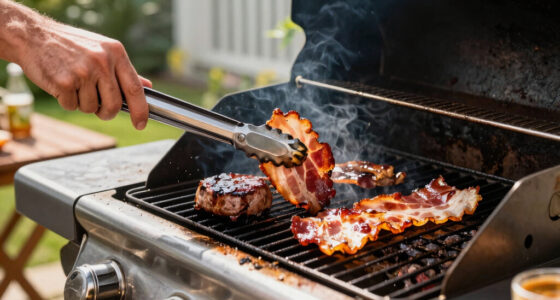
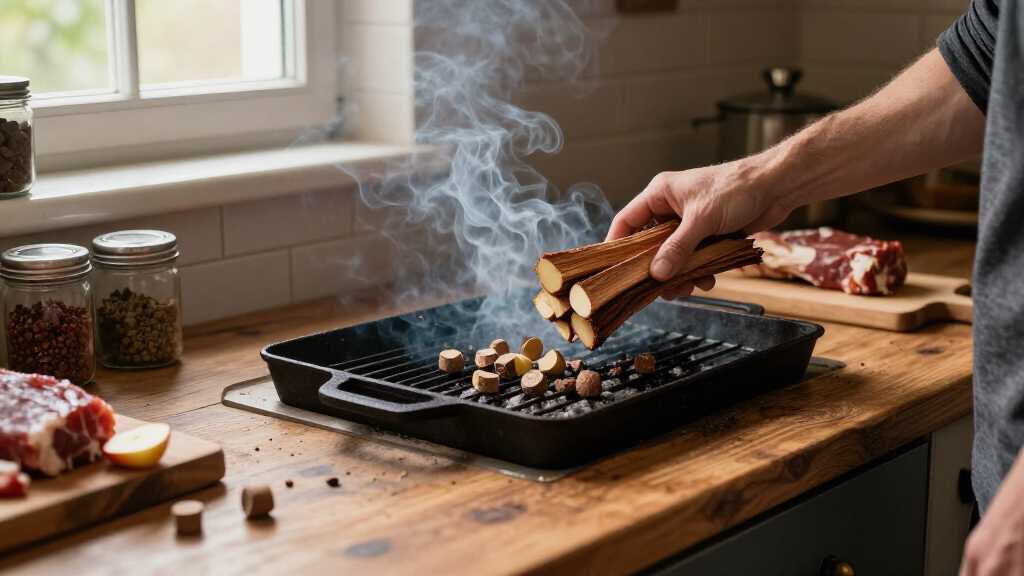
Different woods bring distinct flavors to your smoked foods, from delicate fruitwoods to bold mesquite. Properly seasoned, clean-burning wood and blending techniques help you control flavor intensity and achieve consistent results.
Imagine biting into a perfectly smoked brisket or a tender piece of salmon, the aroma lingering in your nose. That complex, layered flavor depends heavily on the type of wood you choose. But it’s not just about picking the most aromatic or exotic wood—it’s about understanding how each species influences taste, color, and texture.
In this guide, you’ll learn which woods work best for different foods, how to blend them for balanced flavor, and practical tips to get consistently good smoky results—whether you’re off-grid or just love doing things by hand. Knowing the ins and outs of smoking wood transforms an ordinary cookout into a craft.
Only use seasoned, dry hardwood free from chemicals or mold for clean, flavorful smoke.
Match the wood species to your food’s delicacy—mild woods for fish and poultry, stronger woods for beef or pork.
Blending woods lets you create balanced, complex flavors—start with a ratio of three parts mild to one part strong wood.
Wood form impacts burn time and smoke output—chunks and splits are best for long cooks, chips for quick bursts.
Avoid soaking chips—dry wood produces more predictable, cleaner smoke, enhancing flavor without excess moisture.
Smoking Wood Types and Their Flavors
Smoking wood is seasoning, not merely fuel. Species sets the flavor direction, while seasoning, airflow, form, and quantity determine whether that flavor lands as clean and layered—or bitter and harsh.
Choose intensity before aroma
Delicate foods absorb assertive smoke quickly. Begin with alder or fruitwood for fish and poultry, move toward oak and pecan for versatile depth, and reserve hickory or mesquite for robust foods and restrained use.
Alder
Subtle, slightly sweet smoke that respects delicate natural flavors.
Best with: salmon, trout, poultry, vegetablesApple
Soft sweetness and a familiar fruitwood aroma suited to gentle cooking.
Best with: pork, poultry, ham, cheeseCherry
Fruity smoke that can encourage a deep reddish finish on meat.
Best with: pork, poultry, beef, duckPeach
Delicate sweetness with a floral edge that rarely overwhelms food.
Best with: poultry, pork, fishMaple
Rounded sweetness with enough structure for vegetables and lighter meats.
Best with: pork, poultry, vegetables, cheesePecan
Rich and gently sweet, offering depth without hickory’s full force.
Best with: pork, turkey, poultry, beefOak
Earthy, steady, and versatile—a dependable backbone for blends.
Best with: beef, pork, lamb, sausagesPost oak
Clean, measured smoke closely associated with Central Texas-style beef.
Best with: brisket and beefHickory
Bold, bacon-like character that rewards careful quantity control.
Best with: pork shoulder, ribs, bacon, beefMesquite
Sharp and distinctive; most effective in short, hot cooks or small doses.
Best with: beef and gameOlive
Savory Mediterranean character with some of mesquite’s earthiness.
Best with: lamb, poultry, porkWalnut
Dark, intense smoke that can turn bitter; blend it with a milder wood.
Best with: beef and gameRead the smoke, not just the wood label
Thin, nearly transparent blue smoke signals efficient combustion. Dense white or gray smoke often points to damp fuel, restricted airflow, an overloaded fire, or wood smoldering instead of burning cleanly.
Thin blue smoke
Clean combustion delivers controlled aroma, better color, and a smoother finish.
Heavy white smoke
Thick smoke can deposit soot and harsh compounds that taste acrid or bitter.
The controllable variable: start with less wood than you expect. You can add smoke gradually, but an oversmoked dish cannot be repaired easily.
Match strength to the food
Use this matrix as a starting point, then adjust for smoker design, cooking time, bark content, airflow, and your own palate.
| Wood | Fish | Poultry | Pork | Beef | Lamb / Game | Cheese / Vegetables |
|---|---|---|---|---|---|---|
| Alder | ✓ Best | ✓ Best | ~ Works | ✗ Too mild | ✗ Too mild | ✓ Best |
| Apple | ~ Works | ✓ Best | ✓ Best | ~ Blend | ~ Blend | ✓ Best |
| Cherry | ~ Works | ✓ Best | ✓ Best | ✓ Best | ~ Works | ~ Works |
| Pecan | ~ Light use | ✓ Best | ✓ Best | ✓ Best | ~ Works | ~ Works |
| Oak | ~ Light use | ~ Works | ✓ Best | ✓ Best | ✓ Best | ~ Works |
| Hickory | ✗ Avoid | ~ Blend | ✓ Best | ✓ Best | ~ Works | ✗ Too strong |
| Mesquite | ✗ Avoid | ✗ Usually avoid | ~ Short cook | ✓ Best | ✓ Best | ✗ Too strong |
✓ Recommended pairing · ~ Useful with restraint or blending · ✗ Commonly overpowering
Size controls pace and duration
The species supplies the flavor profile; the wood’s shape influences ignition, burn time, smoke output, and how frequently the fire needs attention.
Chips
Ignite rapidly and fade quickly. Useful for short sessions or a controlled finishing touch.
Chunks
Provide slower, steadier smoke and work well for longer charcoal-based cooks.
Splits
Best suited to offset smokers and long cooks where wood also supplies heat.
Pellets
Uniform and convenient, with predictable delivery in equipment designed for them.
A repeatable smoke workflow
Select safe wood
Use identified, seasoned hardwood without mold or chemicals.
Match intensity
Pair mild woods with delicate foods and bold woods with hearty cuts.
Start small
Add one or two chunks, or a modest handful of dry chips.
Manage airflow
Keep the fire active enough to produce thin, clean smoke.
Adjust gradually
Add wood sparingly and record the result for the next cook.
Build flavor in layers
A mild or medium wood creates the foundation. A smaller amount of assertive wood adds depth, aroma, and character without overwhelming the food.
Increase fruitwood for a sweeter, more delicate profile. Increase the assertive wood only when the food and cooking time can support extra intensity.
Oak + Cherry
Oak provides an earthy backbone while cherry contributes sweetness and a rich reddish finish.
Hickory + Apple
Apple rounds off hickory’s bold edges, making the combination especially useful for pork and poultry.
Pecan + Peach
Pecan supplies depth while peach adds a lighter aromatic layer suitable for turkey, pork, and chicken.
From woodpile to finished flavor
Every link affects the next. A premium wood species cannot compensate for unsafe fuel, poor seasoning, or a smoldering fire.
What should never enter the smoker
Food-safe fuel must be positively identified and clean. Unknown construction material or toxic plant species introduce risks that no cooking technique can neutralize.
Avoid contaminated material
- Pressure-treated, painted, stained, glued, or preserved lumber
- Plywood, particleboard, MDF, and construction scraps
- Pallets unless their origin and treatment are fully verified
- Moldy, rotten, chemically contaminated, or unidentified wood
Avoid unsuitable species
- Oleander, yew, laburnum, poison sumac, and other known toxic trees
- Resin-rich softwoods such as pine, fir, spruce, and cedar
- Fresh green wood unless following a controlled regional technique
- Any wood exposed to pesticides, industrial chemicals, or unknown residues
Cooking food on a cedar plank over another heat source does not make cedar suitable as general smoking fuel.
What Makes a Smoking Wood Perfect? Clean Combustion and Seasoning
Good smoking wood starts with clean, efficient burning—thin, nearly transparent blue smoke is your goal. Thick, white smoke deposits soot and harsh compounds that can make your food bitter. Achieving this requires properly seasoned, dry wood, free from mold, chemicals, or moisture overload.
For example, a seasoned oak split that has dried for at least 6-12 months produces a steady, clean burn. Conversely, green or unseasoned wood smolders, creating dense smoke that ruins delicate fish or poultry. Always avoid treated or painted wood, which can introduce toxins into your food.
Focusing on airflow, fire management, and using seasoned hardwood is essential. The quality of smoke you produce directly impacts the flavor, aroma, and even the color of your smoked product. Poorly seasoned wood can produce acrid, bitter smoke, which not only spoils the flavor but can also create health concerns. Conversely, well-seasoned wood ensures a stable burn, consistent smoke, and a more predictable flavor profile, giving you control over the final taste. The tradeoff is that properly seasoning wood takes time, but it’s a crucial investment for high-quality results and safety.
As an affiliate, we earn on qualifying purchases.
The Best Smoking Woods for Different Foods: A Flavor Map
Choosing the right wood depends on what you’re smoking. Each species has a unique flavor profile that can enhance certain foods, but understanding why these pairings work is key. For instance, alder and fruitwoods like cherry or apple impart gentle, sweet flavors that complement delicate proteins without overpowering them—perfect for fish and poultry. Stronger woods like hickory or mesquite are more assertive and can easily dominate if not used judiciously, making them suitable for hearty meats like beef or ribs.
Matching wood to food isn’t just about flavor; it’s about balancing intensity and aroma. For example, using mesquite on fish can result in a bitter, overpowering taste because of its intense, earthy character. Similarly, overusing strong woods can mask the natural flavors of the meat or fish. The tradeoff lies in the risk of overpowering the dish versus achieving a robust, smoky profile. A nuanced understanding of these profiles allows you to craft complex, layered flavors. Experimenting with combinations and observing how different woods influence aroma and color helps develop your palate and refine your technique over time.
In essence, this flavor map is a guide—your understanding of why certain woods work better with specific foods enables you to make deliberate choices that enhance your cooking rather than just follow rules blindly.
As an affiliate, we earn on qualifying purchases.
How to Pick and Use Wood for Perfect Smoke Every Time
Starting with well-seasoned, dry wood is essential because moisture and chemicals hinder combustion and can produce undesirable flavors. For off-grid or manual setups, using chunks or splits is advantageous—they burn longer and provide a steady source of smoke. Chips ignite quickly but tend to burn out fast, making them ideal for short cooks or cold-smoking sessions. Understanding the burn characteristics of each form helps you plan your smoke duration and intensity.
Here’s a step-by-step process:
- Choose seasoned hardwood, free from chemicals and mold, and store it properly in a dry, ventilated space.
- Match the wood to your food’s delicacy—use milder woods like apple or alder for fish and poultry, and stronger woods like hickory or mesquite for beef or ribs.
- Start with a small amount—one or two chunks or a handful of chips—to gauge smoke intensity. You can add more gradually to avoid overpowering the food.
- Manage airflow and fire—aim for thin blue smoke, which indicates efficient combustion. Adjust vents or airflow control as needed.
- During cooking, monitor smoke production and add more wood sparingly. Overloading can lead to excessive smoke, which may cause bitterness or a burnt flavor.
- Avoid soaking chips or chunks, as wet wood delays ignition and produces more steam than smoke, diluting flavor and risking uneven cooking. The tradeoff is clear: dry wood offers more predictable, cleaner smoke, resulting in a more refined flavor profile and less risk of off-flavors.
Amazon
As an affiliate, we earn on qualifying purchases.
Blending Woods for Balance: Create Your Perfect Flavor Profile
Blending woods allows you to tailor the smoke to your taste, combining different flavor qualities to achieve complexity and nuance. For example, mixing oak with cherry creates a balanced smoke that offers both a mild, woody backbone and a subtle fruity aroma, along with a pleasing reddish hue on the meat. Similarly, hickory paired with apple softens the boldness of hickory while adding a sweet, aromatic layer that complements pork and poultry.
The ratio of woods influences the final flavor—start with a basic proportion, such as three parts mild or medium woods to one part strong or assertive woods. Adjust this ratio based on the intensity you desire and the type of food. For instance, a higher percentage of fruitwood yields a sweeter, more delicate smoke, while increasing the amount of a stronger wood enhances richness and depth.
Experimenting with combinations like oak + cherry, hickory + apple, or pecan + peach helps develop your signature flavor profile. Keep detailed notes on each blend’s outcome—flavor, aroma, color—and refine your ratios over time to suit your preferences. This blending process isn’t just about mixing ingredients; it’s about understanding how different woods interact, their tradeoffs, and how to balance them to create a harmonious smoke that elevates your dish rather than overpowering it.
AmazonAs an affiliate, we earn on qualifying purchases.
Wood Form and Its Effect on Smoke Flavor and Duration
The shape and size of your wood pieces directly influence how they burn, how long they last, and how they deliver flavor. Larger chunks and splits burn more slowly, providing a steady, long-lasting smoke ideal for extended cooks like briskets or roasts. Smaller pieces like chips ignite quickly, producing a burst of smoke suitable for shorter sessions or finishing touches. Understanding these differences helps you plan your smoking process more precisely and avoid common pitfalls like rapid burning or insufficient smoke production.
Pellets are designed for convenience—they burn consistently and are easy to control, but their flavor profile depends on the species or blend used. Sawdust or dust is mainly used in specialized cold-smoking setups, where slow, cool smoke is necessary for delicate foods like cheese or spices. Each form has tradeoffs: larger pieces require more planning and patience but offer longer, more stable smoke; smaller pieces provide quick bursts but can lead to uneven smoke if not managed properly.
The core principle is that the form of wood impacts burn rate and smoke duration, but the flavor profile remains tied to the species. Properly selecting and managing the form allows you to tailor your smoking process to the specific food and desired outcome, balancing convenience with control.
Mythbusting: Soaking Chips vs. Using Them Dry
Most experts agree: soaking chips isn’t necessary—and can even hinder your smoking. Wet chips take longer to dry and ignite, delaying smoke production and often resulting in steamy, less flavorful smoke. This can also lead to uneven burning, producing inconsistent smoke and flavor. Additionally, soaking can cause excess moisture, which dilutes the smoke’s intensity and can create unwanted steam that hampers proper heat and smoke flow.
Dry chips, on the other hand, ignite quickly and produce a steady, clean smoke that imparts the desired flavor without excess moisture. Managing airflow and wood quantity is more effective for controlling smoke than soaking. Some cold-smoking methods may use soaked chips intentionally, but for most traditional smoking, dry chips ensure more predictable and higher-quality results. The tradeoff is clear: using dry wood streamlines the process, reduces unpredictability, and enhances flavor purity—key for achieving consistent, refined smoked foods.
Bark, Sapwood, and Other Wood Components: Do They Matter?
Using bark on wood is a matter of preference and safety. Clean, attached bark can be used, but loose or moldy bark should be removed because it can harbor mold, dirt, or pests that may affect flavor or safety. Heavy bark or bark from unknown or contaminated sources can impart harsher, bitter, or undesirable flavors—these are tradeoffs you need to consider. Sapwood and bark may contain environmental contaminants or residues from pesticides or pollution, which can transfer into your smoke and, ultimately, your food.
Many experienced smokers prefer to remove questionable bark and focus on the heartwood, which burns cleaner and provides more consistent, predictable flavors. Proper preparation, like gently scraping away loose bark or mold, ensures you’re using only safe, high-quality wood that will produce cleaner smoke and better flavor. The tradeoff is that extra effort in preparation can increase your safety and the quality of your smoked foods, but it requires attention to detail. When using fruit woods like apple or cherry, removing loose bark ensures a more predictable flavor and reduces the risk of bitterness or off-notes caused by contaminants.
How Smoke Affects Food Flavor Over Time
Smoke doesn’t just flavor the surface—it penetrates into the meat or fish over time, especially in cool, moist conditions. Early in the process, the surface absorbs gases and particles that form that characteristic pink ring and initial smoky aroma. As the process continues, smoke compounds diffuse deeper, contributing to complex layers of flavor and aroma. However, this penetration is a delicate balance—too much smoke can lead to bitterness, as compounds like phenols and acids accumulate, overwhelming the natural flavor of the food.
Understanding this helps you develop a sense of when your food has been smoked enough. For example, a brisket benefits from a steady, moderate smoke that develops flavor gradually, rather than heavy, dense smoke that can cause a bitter, ashy taste. Recognizing signs of over-smoking, such as excessive surface blackening or a harsh aroma, allows you to stop or adjust the process to preserve tenderness and flavor integrity. The tradeoff is that prolonged exposure to smoke increases the risk of bitterness, so controlling smoke duration and intensity is key to achieving balanced, nuanced flavors.
Trends and New Developments in Smoking Wood
Recent trends in smoking emphasize quality, safety, and sustainability. Pellet smokers, with their precise temperature control and consistent smoke output, are making smoking more accessible and reliable. Many now prioritize transparent sourcing of ingredients—using woods that are responsibly harvested, free from chemicals, and properly dried—to ensure safety and flavor integrity. Regionally, cooks are exploring local woods like olive, grapevine, and mulberry, which can impart unique flavors but require careful identification and preparation to avoid contaminants.
Modern research on smoke chemistry highlights the importance of clean, efficient combustion. This shift from visible smoke to fire management ensures better flavor and safety. Cold-smoking techniques, which use specialized equipment to produce cool, slow smoke, expand the range of foods you can preserve—such as cheeses, spices, and cured meats—without cooking or damaging delicate textures. These innovations focus on improving flavor complexity, safety, and environmental impact, making smoking an increasingly accessible craft that can be tailored to any setting or cuisine.
The tradeoff is that adopting new technology or sourcing methods may require investment and learning, but the payoff is higher-quality, safer, and more sustainable smoked foods.
Your Frequently Asked Questions About Smoking Wood
What is the best all-purpose smoking wood? Oak remains a top choice because of its versatility and balanced flavor profile. Its ability to complement a wide range of meats makes it a reliable staple in any smoker. Pecan offers a sweeter, milder alternative that adds richness without overpowering, while fruitwoods like apple or cherry provide gentle, sweet aromas ideal for lighter dishes. The implications are that choosing the right all-purpose wood balances flavor with safety and ease of use, making it suitable for many different foods and cooking styles.
Which wood is best for brisket? Post oak is traditionally favored in Texas-style barbecue because it produces a clean, balanced smoke that enhances the meat’s natural richness without overwhelming it. Regular oak or hickory are also excellent options, offering slightly different flavor nuances but still maintaining a level of versatility. The tradeoff involves balancing the flavor strength—too strong can overshadow the meat, while too mild may not impart enough smoky character. Understanding these nuances helps you select woods that support your preferred flavor profile and cooking method.
What wood should I use for pork ribs or pulled pork? Hickory is a classic choice, providing a savory, smoky backbone that complements the sweetness of pork. For a more delicate, fruity aroma, fruitwoods like apple or cherry are excellent, especially when used in combination with stronger woods like hickory or oak. The tradeoff is that fruitwoods are milder and may require longer or more frequent applications to achieve the desired flavor, whereas hickory imparts a more intense smoke quickly. Recognizing these dynamics allows you to tailor your wood choice based on the flavor intensity and aroma you want to achieve.
Is softer or fruitwood smoke milder? Yes. Woods like alder, apple, and peach tend to produce milder, sweeter smoke that is less likely to overpower delicate proteins. This makes them ideal for seafood, poultry, and vegetables. The tradeoff is that milder woods may require longer smoking times or more wood to develop noticeable flavor, but they offer a gentler, more nuanced smoky aroma that enhances rather than masks the natural flavors.
Can I mix different woods? Absolutely. Blending allows you to customize the strength, aroma, and color of your smoke, creating a complex profile tailored to your preferences. The tradeoff involves understanding how different woods interact—some combinations may mellow each other, while others can produce conflicting flavors. Experimenting with ratios and keeping detailed notes helps you refine your blends to achieve the perfect balance for each dish.
How do I store my smoking wood? Keep it dry, well-ventilated, and away from pests, mold, or chemicals. Proper storage ensures your wood burns cleanly and produces high-quality smoke with consistent flavor. Improper storage—such as in humid environments—can lead to mold, rot, or pests, which compromise safety and flavor. The tradeoff is that good storage requires space and attention, but it pays off in cleaner, more reliable smoking experiences.
Does smoking wood influence health? When burned cleanly and used properly, smoking wood is generally safe. Avoid charred, blackened, or heavily smoked surfaces, which can produce harmful compounds. Following food safety guidelines and using well-seasoned, uncontaminated wood minimizes risks. The implications are that responsible sourcing and fire management are crucial to maximizing health benefits and minimizing potential hazards.
Conclusion
Choosing the right smoking wood is about understanding the flavor profile you want and managing your fire smartly. The best results come from seasoned, clean-burning wood and thoughtful blending. Think of your wood as the brushstroke that defines your smoked masterpiece—small, deliberate choices make all the difference.
Next time you fire up your smoker, remember: less is often more. Start light, manage airflow, and let the wood’s true character shine through. Your food—and your palate—will thank you for it.
BACK TO SCHOOL Back to school Picks
back to schoolback to school
As an affiliate, we earn on qualifying purchases.