TL;DR

Get kitchen gear delivered free with Prime
- Fast, free delivery on millions of items
- Prime Video, Amazon Music and more included
- Member-only deals all year
Canning safety hinges on controlling acidity, following tested recipes, and using proper processing methods. Modern tools and updated guidelines help avoid botulism and spoilage in home-preserved foods.
Imagine opening a jar of perfectly preserved peaches, only to find a foul smell or bulging lid. That’s a clear sign of spoilage or, worse, dangerous bacteria lurking inside. Canning can keep your garden’s bounty fresh for months—if you do it right. But a single mistake can turn that jar into a health hazard.
In this guide, you’ll learn how to spot risks, follow safe techniques, and use the latest tools to keep your canned foods safe from botulism and spoilage. It’s about building skills that protect your family and your effort in the kitchen.
Always use tested recipes from reputable sources — they account for proper processing times and pressures.
Low-acid foods require pressure canning; water bath canning is only safe for high-acid foods.
Regularly inspect stored jars for signs of spoilage like bulging lids, leaks, or foul odors.
Use modern, calibrated equipment—digital pressure canners or accurate gauges—to ensure safe processing.
When in doubt about spoilage, discard the jar. Safety trumps saving food.
Canning Safety: Avoiding Botulism and Spoilage
TL;DR: Safe canning hinges on acidity, tested recipes, calibrated equipment, and the right processing method. Low-acid foods need pressure canning because boiling water cannot destroy the spores that cause botulism.
Pressure canning low-acid foods is 100% essential for botulism prevention.
Where the danger hides
Botulism is caused by Clostridium botulinum, a spore-forming bacterium that can thrive in low-acid, oxygen-free jars. The jar may look ordinary, so prevention is built into method, time, pressure, and inspection.
Food type decides the canner
High-acid foods resist spore growth. Low-acid foods do not, so they need pressure canning to reach temperatures beyond boiling water.
Tested times are safety math
Jar size, altitude, food density, pressure, and processing time are built into reputable recipes. Skipping minutes changes the risk.
Lids are single-use safety parts
Fresh lids improve vacuum reliability. A weak seal invites spoilage and makes storage inspection harder to trust.
Choose the correct method
Wrong method, wrong temperature. Water bath canning is useful, but it is not a substitute for pressure canning when foods are low in acid.
| Food type | Water bath | Pressure canning | Why it matters |
|---|---|---|---|
| Fruits, jams, jellies | ✓ Appropriate | ~ Usually unnecessary | High acidity helps prevent dangerous spore growth. |
| Pickles and acidified tomatoes | ✓ Appropriate when properly acidified | ~ Recipe dependent | Added acid and tested processing times are essential. |
| Vegetables and beans | ✗ Unsafe | ✓ Required | Low-acid foods need higher temperatures to destroy spores. |
| Meat, poultry, seafood | ✗ Unsafe | ✓ Required | Dense, low-acid foods demand tested pressure schedules. |
The safe-canning workflow
Think of canning as a connected chain. Each step protects the next one, from choosing fresh food to discarding any jar that gives you reason to doubt it.
Select a tested recipe
Use USDA or extension sources that specify jar size, time, pressure, and altitude adjustments.
Match the method
Water bath for high-acid foods; pressure canner for low-acid vegetables, meats, and seafood.
Prepare clean equipment
Wash jars, use new lids, handle hot jars safely, and keep the workspace sanitary.
Process precisely
Use calibrated gauges or digital controls to maintain the correct pressure for the full time.
Inspect before eating
Bulging lids, leaks, mold, discoloration, foam, cloudiness, or foul odor mean discard.
Risk reducers ranked
The strongest safety moves are boring in the best possible way: correct method, tested recipe, clean handling, and routine inspection. The bar chart shows how much each practice contributes to a safer jar.
- 1Use fresh, high-quality ingredients and keep all tools, jars, and work surfaces clean.
- 2Label jars with contents and date, then rotate older jars first.
- 3Store jars in a cool, dark, dry place away from heat and sunlight.
- 4Never taste suspicious canned food. Double-bag spoiled contents and dispose of them outside.
Modern tools, same core science
New gear can reduce human error, but it does not replace tested guidance. Digital pressure canners, accurate gauges, improved lids, jar lifters, and training apps all support the same safety chain.
Upgrade precision
Digital pressure canners with built-in controls help maintain target pressure and reduce guesswork. Calibrated dial gauges remain critical when using traditional pressure canners.
Upgrade inspection
Better sealing lids, magnetic lid grabbers, jar lifters, labels, and storage logs make the process more consistent. Rapid toxin tests exist mainly in commercial settings, but they point toward future safety tools.
Trace the safe jar
Every safe jar connects food chemistry, heat processing, clean handling, storage discipline, and a firm discard rule. Break the chain and the risk rises.
Quick answers
These are the questions that decide whether a jar belongs on the shelf, in the pot, or in the trash.
How can I tell if canned food is safe?
Look for a concave, intact seal with no bulging, leaks, mold, discoloration, foam, cloudiness, or foul odor.
What mistakes matter most?
Untested recipes, wrong pressure or time, reused lids, poor sanitation, and improper storage are the big failures.
Can low-acid food go in a water bath?
No. Vegetables, meats, seafood, and similar low-acid foods require pressure canning to destroy spores.
What if a jar seems spoiled?
Do not taste it. Discard it safely, preferably double-bagged and removed from the home.
Why Botulism Is a Hidden Danger in Your Pantry
Botulism is caused by *Clostridium botulinum* bacteria. These spore-forming bacteria thrive in low-acid, oxygen-free environments like improperly canned foods. It’s rare, but deadly—causing paralysis or even death if consumed.
A common scenario: home-canned green beans stored for months. If processed incorrectly, spores can survive and produce toxin. That’s why understanding where botulism hides is your first line of defense.
Key point: Spores survive boiling water temperatures but are destroyed under high pressure in a canner. Knowing this is crucial to avoid a silent, deadly threat.
digital pressure canner for home canning
As an affiliate, we earn on qualifying purchases.
As an affiliate, we earn on qualifying purchases.
How to Choose the Right Canning Method for Safety
Using the correct method makes all the difference. High-acid foods like fruit jams, jellies, and pickles can be processed safely in a water bath canner. Low-acid foods—vegetables, meats, seafood—must go in a pressure canner.
Here’s how to decide:
| Food Type | Canning Method | Why |
|---|---|---|
| Fruits, jams, pickles | Water Bath | High acidity prevents bacterial spores from surviving. |
| Vegetables, meats, seafood | Pressure Canning | Requires higher temperatures to destroy spores. |
Choosing the wrong method can leave spores alive, risking botulism. For example, using a water bath for low-acid foods might seem convenient but can be deadly because it cannot reach the necessary temperatures to kill spores. Conversely, overusing pressure can cause food to become overcooked or lose flavor, so understanding the science helps balance safety with quality. Always double-check recipes and guidelines from reputable sources like USDA or extension services to ensure you’re making the safest choice for your specific food.
As an affiliate, we earn on qualifying purchases.
Follow Tested Recipes and Use Proper Processing Times
Using a trusted recipe is your safest bet. Recipes tested by food safety experts account for variables like jar size, altitude, and processing time. Deviating from these increases the risk of spoilage or botulism.
For example, a popular tomato recipe might call for processing at 10 pounds of pressure for 45 minutes. Skipping this step or reducing processing time can leave spores alive, which may later produce toxin. The implications are serious: incomplete sterilization can lead to dangerous bacteria thriving inside your jars, even after storage.
Always use a calibrated pressure canner. Make sure the gauge reads accurately—an uncalibrated canner can mislead you into under-processing, which is dangerous because it may give a false sense of safety. Proper calibration ensures the science behind canning works as intended, providing peace of mind that your food is safe to consume for months or years.
As an affiliate, we earn on qualifying purchases.
How to Properly Prepare and Handle Your Food for Canning
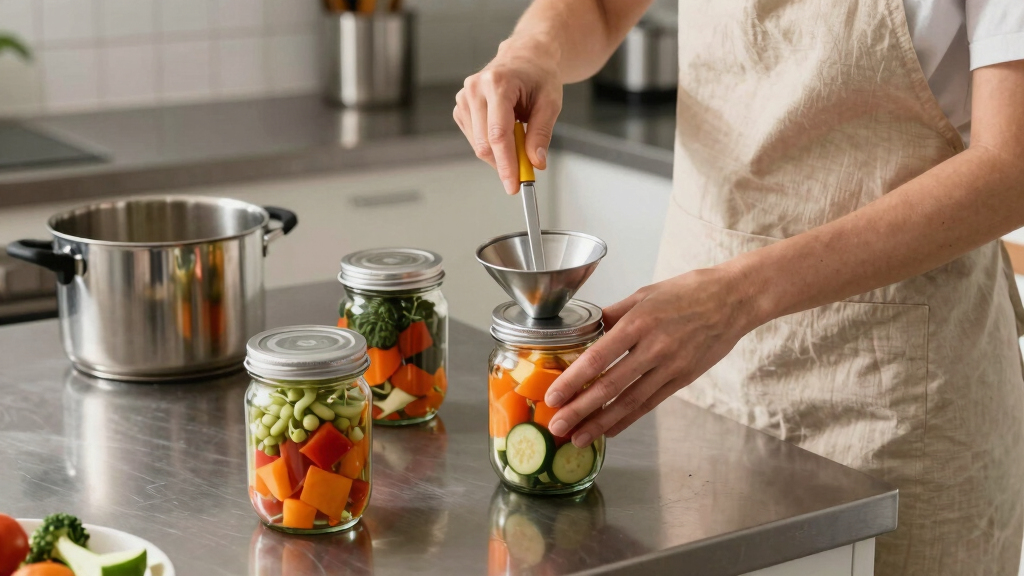
Prepping isn’t just washing and chopping. It’s about maintaining cleanliness and freshness. Use fresh, high-quality ingredients. Wash jars and lids thoroughly; never reuse lids—new ones ensure a tight seal.
For instance, if you’re making peach preserves, peel and pit the fruit, then heat it to kill bacteria. Keep everything sanitary to prevent introducing spoiling bacteria.
Tip: Keep your workspace clean, and handle jars with tongs or gloves to avoid contamination.
As an affiliate, we earn on qualifying purchases.
Storing and Inspecting Your Canned Goods to Catch Spoilage Early
Storage conditions matter. Keep jars in a cool, dark, dry place—basements or pantry shelves away from sunlight and heat. Check regularly for signs of spoilage: bulging lids, leaks, foul smell, mold, or discoloration.
For example, if a jar of green beans has a swollen lid or a cloudy liquid, it’s time to toss it. Don’t take chances—spoiled food can harbor dangerous bacteria. Recognizing these signs early prevents illness and waste.
Smart tip: Label your jars with date and contents. Use older jars first, and discard anything that shows signs of spoilage or has been stored beyond a year. This routine ensures you consume foods while still safe and fresh, reducing the risk of consuming spoiled or dangerous items.
Latest Tools and Tech to Keep Your Canning Safe
Modern tools can make home canning safer and easier. Digital pressure canners with automatic controls ensure you reach and maintain the correct pressure, reducing human error. Jar lifters and magnetic lid grabbers protect your hands and prevent accidents, especially when handling hot jars.
Newer lids with better sealing technology reduce spoilage risks by providing a more reliable vacuum seal. Plus, there are rapid testing kits for *Clostridium botulinum* toxins—though mostly used in commercial settings, they hint at a future where testing might be easier for home canners, offering an extra layer of safety.
A real-world example: Using a digital canner with a built-in pressure gauge removed guesswork, making safe processing more reliable. Investing in these tools can significantly decrease the chances of human error, which is often the weakest link in home canning safety.
What to Do When You Suspect Spoilage or Botulism
If a jar looks or smells off—foul odor, mold, or bulging lid—don’t risk it. Discard it immediately. Double-bag the contents and dispose of them outside your home to prevent any bacteria from spreading. This prevents inadvertent contamination of other foods or surfaces.
For example, if a jar of pickles develops a strange smell or foam, it’s safest to toss it. Never taste-test suspicious canned foods, as a small amount can cause serious illness. When in doubt, err on the side of caution—discarding questionable jars is the best way to protect your health and that of your family.
Remember: When in doubt, throw it out. It’s better to lose a jar than risk health. The cost of discarding a questionable jar is minimal compared to the potential health consequences of consuming spoiled or contaminated food.
Frequently Asked Questions
How can I tell if my canned food is safe to eat?
Look for a sealed lid that is concave and intact, no bulging, leaks, or foul smell. If the jar shows any signs of spoilage—mold, discoloration, or a bad odor—discard it immediately. When in doubt, throw it out.
What are the biggest mistakes to avoid in home canning?
Using untested recipes, not processing foods at the right pressure or time, reusing lids, and storing jars improperly can all lead to spoilage or botulism. Follow scientifically tested methods every time.
Can I can low-acid foods in a water bath canner?
No. Low-acid foods like vegetables and meats need pressure canning to reach temperatures that destroy bacterial spores. Water bath canning cannot do this safely.
How do I prevent botulism in my canned foods?
Use proper canning techniques, process low-acid foods under pressure at recommended times and pressures, and store jars in a cool, dark place. These steps kill spores and prevent toxin formation.
Are there any new safety tools or gadgets?
Yes, digital pressure canners with automatic controls, jar lifters, and rapid testing kits for toxins are increasingly available. These tools make safe canning easier and more reliable.
Conclusion
Proper canning isn’t just about sealing jars—it’s about understanding the science behind food safety and following proven practices. Your effort pays off in safe, tasty preserved foods that can last for months without risk.
Remember, a single mistake can turn your pantry into a hazard. Focus on using tested recipes, correct equipment, and vigilant inspection. That’s the best way to keep your home canned goods safe and delicious for years to come.
Columbus Day / Indigenous Peoples' Day Picks
long weekend sales
As an affiliate, we earn on qualifying purchases.