
TL;DR
Listen free for 30 days with Audible
Thousands of audiobooks and originals — cancel anytime.
Start your free trialAs an affiliate, we earn on qualifying purchases.
Backpacking meals with minimal gear rely on lightweight equipment, dehydrated ingredients, and simple strategies like no-cook options. Planning ahead and choosing versatile, calorie-dense foods keeps your pack light and your energy high.
Imagine hiking for hours across rugged terrain, the sun warming your back, and knowing your meal requires just a single pot, a handful of dehydrated ingredients, and minimal fuel. No fancy gadgets, no heavy cookware—just pure simplicity. That’s the beauty of cooking with minimal gear on the trail.
If you want to eat well in the wild without lugging a kitchen, this guide is your roadmap. You’ll learn how to choose smart gear, prep ingredients efficiently, and craft meals that keep you fueled without weighing you down. Ready to turn your backpack into a portable kitchen?
Choose ultralight, multi-use gear like titanium cookware and alcohol stoves to cut weight dramatically.
Pre-measure ingredients and plan meals around no-cook or one-pot methods to save fuel and reduce complexity.
Pack high-calorie, lightweight foods like nuts, dried fruits, and dehydrated meals to meet high energy demands without extra weight.
Use smart packing techniques for fresh ingredients—vacuum seal or pack in hard containers—and eat them early in your trip.
Test recipes at home to refine taste, portion size, and prep time before hitting the trail.
Why Lightweight Gear Is a Backpacker’s Best Friend
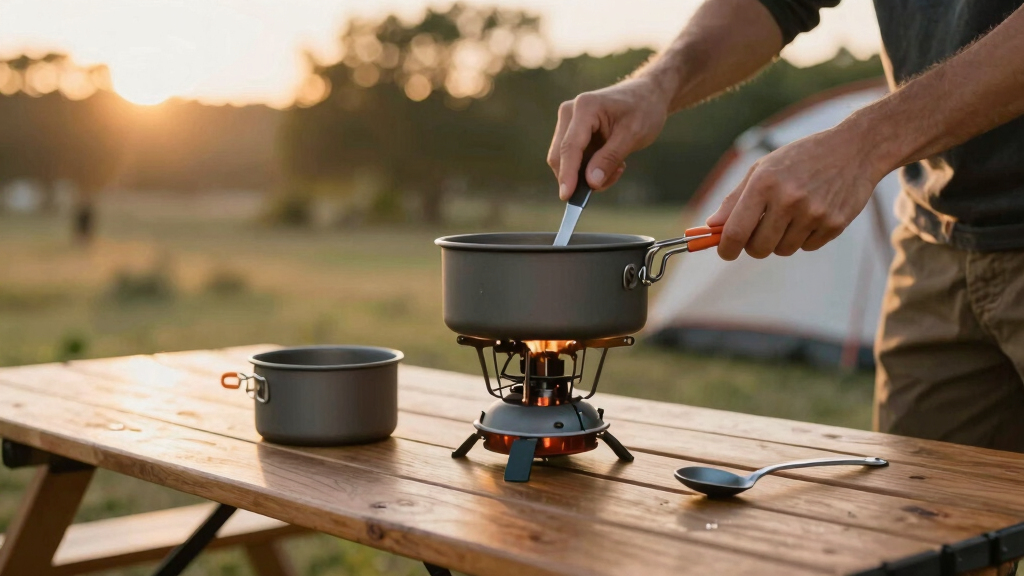
Lightweight gear isn’t just about saving grams; it’s about freedom. When your pack is lighter, you can hike longer, explore more, and reduce fatigue, which directly impacts your safety and enjoyment. For instance, a heavy stove or bulky cookware can add unnecessary weight and limit your mobility, forcing you to carry more water or food to compensate. Choosing compact, durable gear like a titanium mug that doubles as a bowl not only saves weight but also streamlines your packing. An alcohol stove, weighing less than an ounce, heats water quickly, enabling you to prepare meals efficiently without bulk.
However, there’s a tradeoff: ultra-light gear may sometimes be less durable or versatile than heavier counterparts. Balancing weight savings with reliability is crucial. For example, a lightweight pot might be more fragile, requiring careful handling. The key is to select gear that offers the best compromise—light enough to keep your pack manageable but sturdy enough to withstand rugged conditions. This strategy ensures you maintain self-reliance without sacrificing safety or convenience, ultimately enhancing your wilderness experience.

BRS Outdoor BRS-3000T Ultra-Light Titanium Alloy Miniature Portable Picnic Camping Gas Cooking Stove Portable Ultralight Burner 25gram
- High Power Output: Generates 2700W for quick boiling
- Fast Boiling Time: Boils 1L water in under 3 minutes
- Efficient Gas Consumption: Consumes approximately 140g/hour
As an affiliate, we earn on qualifying purchases.
As an affiliate, we earn on qualifying purchases.
Top 5 Gear Picks for Cooking with Less Weight
| Gear Type | Best Material | Weight Range | Key Feature |
|---|---|---|---|
| Stove | Titanium canister stove | 2-4 oz | Efficient fuel use, reliable, lightweight design minimizes bulk, enabling quick setup and packability. |
| Cookware | Silicone or titanium pot | 3-5 oz | Durable and corrosion-resistant, these materials withstand rugged outdoor conditions while keeping weight down. Multi-use design reduces the need for multiple pots. |
| Utensils | Foldable titanium | 0.5-1 oz | Compact and sturdy, foldable utensils save space and reduce weight, allowing you to carry only what’s essential for eating and stirring. |
| Fuel | Butane/propane canisters or alcohol | Varies | High energy density fuels that boil water quickly, enabling rapid meal prep with minimal weight penalty. Consider availability and safety when choosing. |
| Water Filter | Squeeze filter or chemical tablets | 2-4 oz | Lightweight and effective, these options ensure safe hydration without adding significant weight, crucial for maintaining hydration and nutrition during trips. |

GOOD TO-GO Pad Thai (Single Serving) | Camping & Backpacking Food | Just Add Water Backpacking Meals | Good To-Go Dehydrated Meals Taste Better Than Freeze Dried Food
- Easy Preparation: Just add water and enjoy in minutes
- Handcrafted Quality: Made by real cooks, not food scientists
- Long Shelf Life: Minimum 2-year shelf life with preserved texture and nutrients
As an affiliate, we earn on qualifying purchases.
As an affiliate, we earn on qualifying purchases.
How to Prepare Nutritious, Minimal-Gear Meals in 3 Easy Steps
- Plan and pre-measure ingredients at home. For example, portion out your dehydrated beans, rice, or pasta into zip-top bags—ready to toss in your pot. This step reduces prep time and minimizes the risk of carrying excess ingredients that won’t be used, helping you stay within weight limits.
- Choose meals that need minimal cooking—think cold soaking or boiling water only. Instant oatmeal or ramen are popular, but consider adding dehydrated vegetables or spices to boost nutrition and flavor. The tradeoff here is that no-cook or minimal-cook meals may sometimes be less satisfying or less fresh, so balancing convenience with taste is key.
- Cook efficiently: boil water, pour over your ingredients, and let sit for 10-15 minutes. Use only one pot to minimize clean-up and weight. This method not only saves fuel but also reduces the gear you carry, making your trip more manageable. Proper execution ensures your meals are both nourishing and quick to prepare, leaving you more time to enjoy the trail.
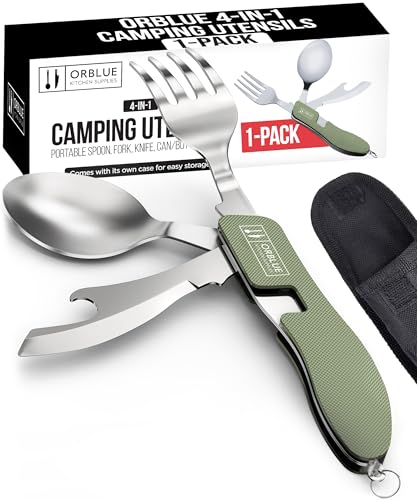
Orblue 4-in-1 Camping Utensils, 1-Pack, Portable Stainless Steel Spoon, Fork, Knife & Bottle Opener Combo Set – Travel, Backpacking Cutlery Multitool Olive Green
- Portable Camping Utensils: Includes spoon, fork, knife, bottle opener
- Compact and Pocket-Friendly: Fits easily in pack or pocket
- Durable Stainless Steel: Rust-resistant and sturdy construction
As an affiliate, we earn on qualifying purchases.
As an affiliate, we earn on qualifying purchases.
No-Cook and One-Pot Meals: How to Keep It Simple and Tasty
Not every meal needs to be cooked from scratch. No-cook meals can be surprisingly satisfying and save fuel, especially on warm days or when your energy is limited. Combining ingredients like cheese, cured meats, nuts, dried fruits, and bread creates a balanced meal with good fats, protein, and carbs, all without heat. The key is selecting items that don’t spoil quickly and are easy to carry. For example, a cheese and salami wrap paired with trail mix offers a quick, high-energy snack that’s both satisfying and easy to prepare.
One-pot meals are an efficient way to combine multiple ingredients into a single dish, reducing gear and clean-up. For example, mixing instant rice, dehydrated vegetables, and spices in a small pot, then adding boiling water and covering, results in a hot, hearty meal. The tradeoff is that these meals may require planning to ensure ingredients complement each other and don’t turn out bland. Using flavorful spices and dehydrated broth can elevate simple ingredients into satisfying dishes. This approach balances convenience with flavor, enabling you to enjoy nourishing meals without the burden of extra gear or complicated preparation.

Glass Vacuum Seal Containers For Compact Vacuum Sealer, 3 Pack (S M L)
- Complete Storage Set: Includes small, medium, large containers
- Airtight Vacuum Seal: Reduces air exposure to keep food fresh
- BPA-Free Durable Glass: Heat-resistant borosilicate glass for safety
As an affiliate, we earn on qualifying purchases.
As an affiliate, we earn on qualifying purchases.
How to Pack and Protect Fresh Ingredients for Multi-Day Trips
Fresh ingredients like cheese, avocado, or fresh herbs require careful packing because they are perishable and delicate. Using sealed containers or vacuum bags helps prevent crushing, spoilage, and cross-contamination. For instance, soft cheese wrapped in wax paper and stored in a hard container can prevent squishing, while vacuum sealing reduces oxygen exposure, extending freshness. Proper packing minimizes waste and ensures ingredients remain edible over several days.
Additionally, planning to consume these items early in your trip reduces the risk of spoilage, especially in warm weather. Preservation techniques like dehydration or curing can extend shelf life, but they come with tradeoffs in flavor and texture. For example, dried herbs add flavor without weight, but lack the freshness of fresh herbs—so consider your meal plans before packing. Keeping foods cool, protected from moisture, and organized within your pack ensures they stay safe and flavorful longer, allowing you to enjoy fresh ingredients without compromising safety or weight constraints.
Satisfying, Calorie-Dense Foods That Weigh Less Than You Think
High-calorie foods are essential for maintaining energy during demanding hikes, but they also need to be lightweight to avoid burdening your pack. Nuts, nut butters, dried fruits, and energy bars pack a high caloric punch relative to their weight. For example, almonds provide about 164 calories per ounce, mainly from healthy fats, which are vital for sustained energy and recovery. Including these in your diet helps you meet daily caloric needs without excess bulk.
Dehydrated meals can offer over 500 calories per serving, making them efficient fuel sources. Trail mix combines nuts, dried fruits, and sometimes chocolate or seeds, providing quick energy and variety. Pairing these with instant grains or pasta allows you to craft meals that are both calorie-dense and light, ensuring you can hike longer without carrying unnecessary weight. The key is balancing taste, nutrition, and weight to keep your energy levels high while minimizing pack volume, which directly impacts your overall comfort and safety on the trail.
Frequently Asked Questions
What are the best lightweight stoves for backpacking?
Ultralight options like alcohol stoves or small canister stoves made of titanium or aluminum are favorites. They’re reliable, efficient, and weigh less than 4 ounces, making them perfect for minimal gear setups.
How can I prepare nutritious, filling meals with just a few ingredients?
Focus on calorie-dense foods like nuts, dried fruits, and dehydrated grains. Combine minimal ingredients—like instant rice, dehydrated beans, and spices—for quick, satisfying meals that fuel hours of activity.
Are no-cook meals safe and satisfying?
Yes. No-cook meals like cheese, cured meats, and nuts are safe and can be surprisingly tasty. They also save fuel and time, making them ideal for quick lunches or light dinners on the trail.
How do I keep fresh ingredients from spoiling on multi-day trips?
Use vacuum-sealed or airtight containers, keep them cool and protected, and plan to consume perishable items early. Dried herbs and cured meats are excellent long-lasting flavor boosters.
What’s the best way to balance weight, taste, and nutrition?
Prioritize high-calorie, lightweight foods that you enjoy. Test recipes beforehand to ensure they’re satisfying and pack ingredients that provide a good mix of carbs, fats, and protein for sustained energy.
Conclusion
Cooking with minimal gear isn’t just about saving weight; it’s about reclaiming your freedom in the wild. When you master simple techniques and smart ingredient choices, every meal becomes an effortless part of your adventure.
Next time you pack, remember: less gear, more flavor, and plenty of energy. Your backpack—and your taste buds—will thank you.
College move-in / dorm season Picks
dorm essentials
As an affiliate, we earn on qualifying purchases.