
TL;DR

Get kitchen gear delivered free with Prime
- Fast, free delivery on millions of items
- Prime Video, Amazon Music and more included
- Member-only deals all year
Making matcha the traditional way involves using ceremonial-grade powder, specific tools like a bamboo whisk, and precise water temperature. Sifting the powder and whisking vigorously create a smooth, frothy cup that honors centuries of Japanese tea culture.
Imagine a vibrant green powder, rich with the aroma of fresh tea leaves, whisked into a frothy, velvety cup that feels like a moment of calm. That’s the heart of traditional matcha—more than just a beverage, it’s a mindful ritual that connects you to centuries of Japanese tea culture.
In this guide, you’ll learn how to prepare matcha authentically, using the right tools and techniques that bring out its full flavor and aroma. Whether you’re seeking a calming ritual or a vibrant energy boost, mastering this process transforms your tea time into a precise, enjoyable craft.
Use ceremonial-grade matcha for the best flavor and texture.
Sift the powder before whisking to prevent clumps and ensure smooth foam.
Maintain water temperature between 70–80°C for optimal taste.
Vigorously whisk in a zigzag motion for a velvety, frothy top.
Treat the process as a mindful ritual, not just a drink.
Choose the Finest Matcha Powder for Authentic Flavor
The foundation of a great matcha experience begins with quality powder. Ceremonial-grade matcha is made from shade-grown tea leaves, resulting in a vibrant, bright green color and a smooth, umami-rich taste. Look for a fine, velvety texture—anything coarse or dull-colored indicates lower quality.
Imagine biting into a fresh apple versus a bland one. The difference in flavor quality is just as noticeable in matcha. Using high-quality powder ensures a richer, more balanced flavor with less bitterness and a creamier texture.
As an affiliate, we earn on qualifying purchases.
Gather Your Traditional Tools for the Perfect Brew
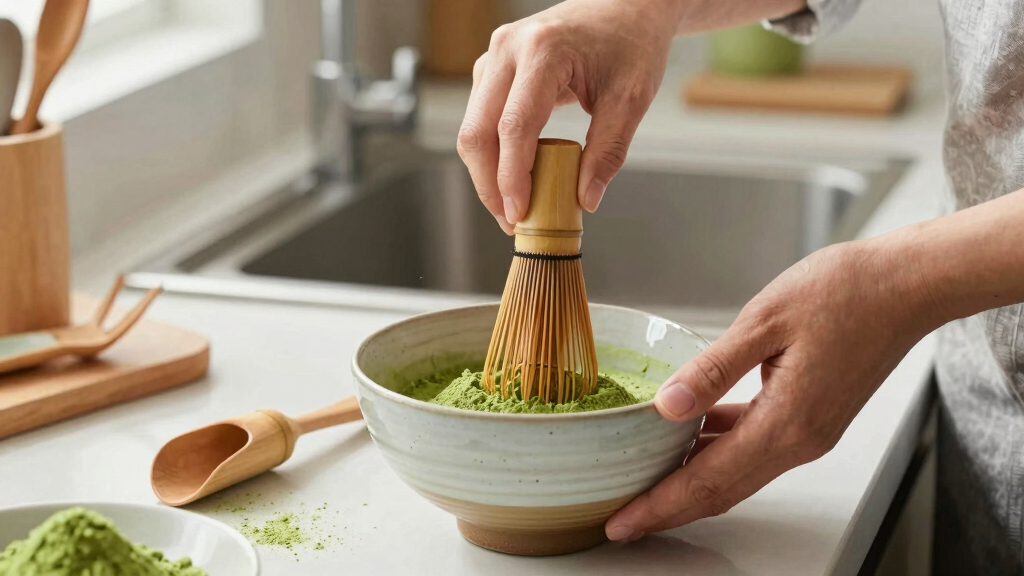
To make matcha the traditional way, you need a few specific tools. The chawan (tea bowl) should be wide and shallow, making it easier to whisk vigorously. The chasen (bamboo whisk) is designed to create a frothy top without breaking the powder. The chashaku (bamboo scoop) helps measure the right amount of powder.
Picture yourself in a Japanese teahouse, the gentle scraping of bamboo, the smooth clay of a chawan—these tools connect you to centuries of ritual and care.
As an affiliate, we earn on qualifying purchases.
Master the Water Temperature to Avoid Bitterness
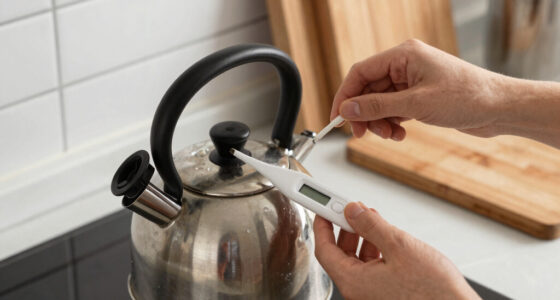
Hot water around 70–80°C (158–176°F) is key. Too hot, and the matcha can scorch, releasing bitter, astringent flavors. Too cool, and it won’t whisk up into the foam you want. If you’re boiling water, let it sit for a minute before pouring.
Understanding why temperature matters is crucial: higher temperatures extract more tannins and catechins, which can lead to bitterness, while slightly cooler water preserves the delicate umami and sweetness of the matcha. This balance ensures a harmonious flavor profile that’s neither flat nor overly bitter, emphasizing the importance of temperature control for a nuanced taste experience.
As an affiliate, we earn on qualifying purchases.
Step-by-Step: How to Prepare Matcha the Traditional Way
- Sift 1–2 teaspoons of matcha through a fine sieve into your bowl. This prevents clumps and creates a smooth, even powder. Sifting isn’t just about texture; it allows the powder to hydrate more evenly, resulting in a more consistent flavor and foam.
- Heat water to 70–80°C and measure about 70 ml (2.5 oz).
- Pour the hot water over the sifted matcha.
- Hold your chasen at a slight angle and whisk vigorously in a zigzag or ‘M’ motion. This technique introduces air, creating a frothy, velvety top. Whisking in a consistent, vigorous manner ensures the matcha is fully suspended and aerated, which impacts both texture and flavor. Keep whisking until the surface is glossy and frothy, about 15–20 seconds.
- Gently tap the whisk against the bowl’s side to settle the foam. Serve immediately. This step helps stabilize the foam, ensuring it remains creamy and inviting.
Imagine the rich, velvety foam forming on top—a sign of perfect whisking and quality powder. Each step connects you to the centuries-old ritual of tea making, and mastering these details ensures a more authentic and satisfying experience.
As an affiliate, we earn on qualifying purchases.
How to Achieve the Frothy, Velvety Matcha Top
Vigorous whisking in a quick, zigzag motion creates tiny air bubbles that give matcha its signature frothy top. Think of it like beating a raw egg—rapid, consistent motion produces a dense foam.
If you’re using a traditional bamboo whisk, the gentle clicking against the bowl’s side helps settle the foam. This step is essential because it incorporates air into the mixture, creating the creamy texture that defines authentic matcha. Skipping it results in a flatter, less inviting appearance and can diminish the overall sensory experience, as the foam’s texture enhances mouthfeel and aroma.
Practically, this means that investing a little time and energy into proper whisking technique produces a vastly improved cup. The froth not only looks appealing but also traps aromatic compounds, intensifying the flavor and aroma. This step is a small ritual with big impact: it’s about consciously engaging with the process to unlock the full sensory potential of your matcha.
Compare Traditional Tools and Techniques with Modern Alternatives
| Tool/Technique | Traditional | Modern |
|---|---|---|
| Whisk | Bamboo chasen | Electric frother or small whisk |
| Water temp | 70–80°C (158–176°F) | Boiling water, then cool |
| Measuring | Chashaku bamboo scoop | Teaspoon or digital scale |
| Preparation ritual | Mindful, slow whisking | Quick, efficient |
While modern tools can speed up the process, traditional methods preserve the ritual and depth of flavor that define authentic matcha. Embracing these techniques also deepens your appreciation and understanding of the cultural significance behind each step, enriching the overall experience.
Why Ritual Matters More Than You Think
Pouring hot water, whisking vigorously, and watching the foam form—these steps aren’t just about making tea. They’re about creating a moment of calm, focus, and respect.
This ritual turns a simple drink into a mindful practice, grounding you in the present. It also cultivates patience and attention to detail, qualities that enhance not only your tea-making but your daily life. By engaging fully in each step, you develop a deeper appreciation for the craft and the cultural heritage embedded in every cup, making the experience more meaningful and enriching.
Frequently Asked Questions
What’s the biggest mistake people make when preparing traditional matcha?
The most common mistake is using water that’s too hot, which burns the powder and creates bitterness. Keep your water around 70–80°C for the best flavor.Can I make matcha without traditional tools?
Yes, but it won’t be quite the same. A small electric frother or a regular whisk can work in a pinch, but traditional bamboo tools produce a creamier, more authentic foam.How much matcha should I use per cup?
Typically, 1 to 2 teaspoons of matcha powder for about 70 ml (2.5 oz) of hot water creates a well-balanced, flavorful cup.Why is sifting matcha important?
Sifting removes clumps, making it easier to whisk into a smooth, frothy drink. It also helps release more aroma and flavor from the powder.How long does it take to whisk perfect matcha?
About 15–20 seconds of vigorous whisking in a zigzag pattern usually produces a glossy, frothy top—quick and satisfying once you get the rhythm.Conclusion
Making matcha the traditional way isn’t just about flavor—it’s a mindful act that connects you to centuries of Japanese culture. With the right tools, technique, and a bit of patience, you turn a simple powder into a calming, vibrant experience.
Next time you prepare matcha, focus on each step. Savor the process. It’s a small act of self-reliance that pays off in flavor, calm, and a deeper appreciation for the craft.
Halloween Picks
halloween
As an affiliate, we earn on qualifying purchases.