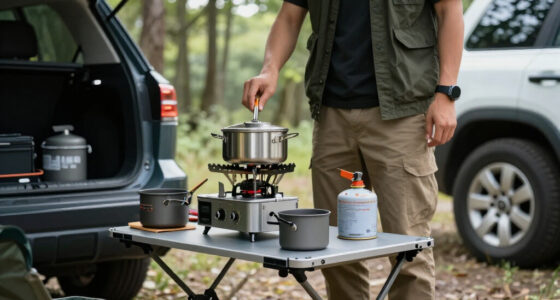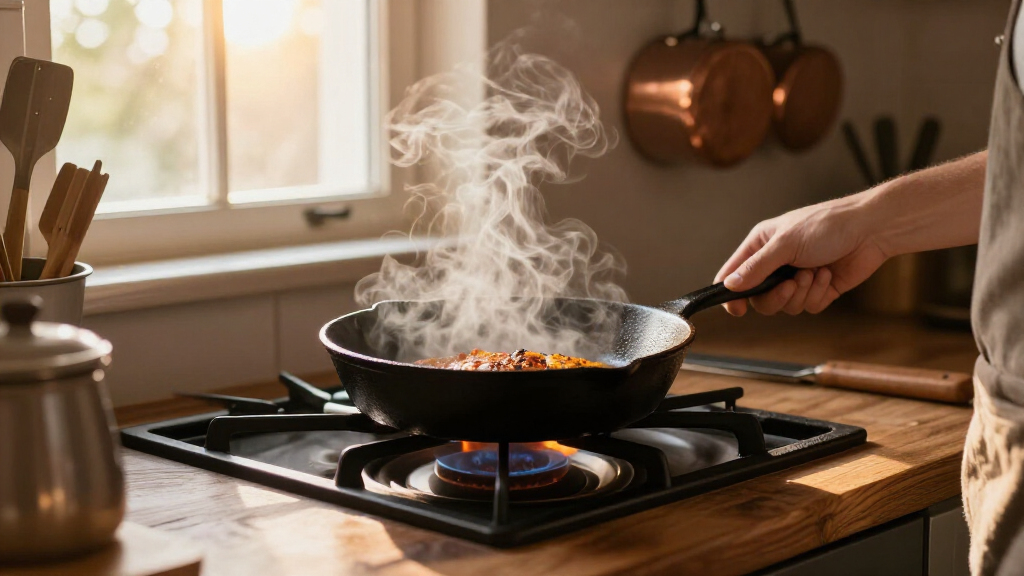

Cast iron cookware has surged back into favor, and the handmade, “manual” corner of the market is where the character lives. Unlike mass-produced skillets that come off an assembly line, these pans are shaped, hammered, and seasoned by artisans, which means better rustic performance, organic seasoning development, and cookware that genuinely improves the more you cook on it. In this roundup, I compare five standout options and rank them based on build quality, versatility, and day-to-day usability.

Get kitchen gear delivered free — and shop member deals
- Fast, free delivery on millions of items
- Access to Prime Big Deal Days deals on October 6–7
- Prime Video, Amazon Music and more included
My top pick overall is the Manual Round Iron Fry Pan with Lid (26cm) because it hits the sweet spot between size, features, and everyday practicality, with a lid and helper handle that make it far more versatile than a standard skillet. For buyers on a tighter budget, the Barebones 6-Inch All-In-One Skillet Set delivers genuine cast iron performance at a lower price and lighter weight. And for anyone serious about soups, stews, and large-batch cooking, the Korean Gamasot Cauldron (7L) is in a class of its own.
The main tradeoffs you will need to weigh throughout this guide are size versus maneuverability, weight versus heat retention, and versatility versus specialization. Handmade iron is heavier, demands seasoning maintenance, and varies slightly piece to piece — but rewards you with decades of service. Let me walk you through how these five stack up.
Complete the kit

Key Takeaways
- The Manual Round Iron Fry Pan with Lid (26cm) is the best all-rounder thanks to its helper handle, cool-touch wooden grip, and lid that extends it beyond frying into steaming and simmering.
- The Barebones 6-Inch Set is the value pick: it is the lightest and most affordable option, but its size limits it to single servings and side dishes.
- The 28cm Manual Skillet suits families who need more cooking surface, though its helper handle can heat up during long stovetop sessions.
- The hammered 26cm wok-style pan is the most visually distinctive, but its non-stick performance lags until you build up seasoning over months.
- The 7L Korean Gamasot is the only induction-compatible option here and the clear choice for soups, stews, and rice — but it is the heaviest and most maintenance-intensive piece.


| manual cast iron cookware | Material | Handle | Pre-seasoned | Diameter |
|---|---|---|---|---|
| Manual Round Iron Fry Pan with | Cast iron | Wooden, cylindrical, with helper handle | Yes | 26 cm |
| Barebones 6-Inch All-In-One Ca | Cast iron | Ergonomic with hanging hole | Yes | — |
| Manual Cooking Pan Round Iron | Cast iron | Wooden handle with helper handle | Yes | 28 cm |
| Manual 26cm Hammered Iron Fryi | Hammered iron | Wooden | Yes | — |
| Korean Cast Iron Cauldron Pot | Cast iron | — | — | 26 cm (10 inches) |
More Details on Our Top Picks
Manual Round Iron Fry Pan with Lid, Handmade, Pre-Seasoned, 26cm, Wooden Handle
This 26cm skillet earns the top spot because it solves the two problems that most handmade cast iron ignores: heat and weight. The cylindrical wooden handle stays cool during cooking, which is rare in this category — compare that to the 28cm Manual Skillet, whose metal helper handle can become a burn hazard during long sessions. Add the helper handle for two-handed lifting, and this is the most physically manageable full-size pan in the lineup.
The included lid is what pushes it ahead of the Barebones set and the hammered wok for most buyers. A lidded skillet transforms into a braiser, steamer, and simmering vessel, so one purchase covers four cooking techniques. The pre-seasoned surface lets you start cooking immediately, and being suitable for outdoor cooking gives it an edge over the induction-only-friendly Gamasot for campfire use — this pan works over open flame without hesitation.
It is not flawless. The weight will challenge anyone used to non-stick aluminum, and the uncoated surface demands the usual drying-and-oiling routine or rust will appear within days. Handmade variance also means your pan may differ slightly from product photos. Still, no other option here balances size, features, and ergonomics as well.
Pros:- Cool-touch wooden handle makes it safer and easier to maneuver than metal-handled rivals
- Lid plus helper handle unlock steaming, simmering, and braising in one pan
- Pre-seasoned surface is ready for immediate cooking
- Rugged enough for both stovetop and open-fire outdoor cooking
Cons:- Heavy weight is difficult for some users to handle comfortably
- Requires regular drying and oiling to prevent rust
- Handmade production means slight size and finish variations between units
Best for: Home cooks who want one versatile, full-size cast iron pan for searing, steaming, and outdoor cooking
Not ideal for: Anyone with limited wrist strength or those unwilling to perform regular seasoning maintenance
- Material:Cast iron
- Diameter:26 cm
- Handle:Wooden, cylindrical, with helper handle
- Includes:Matching lid
- Pre-seasoned:Yes
- Cooking methods:Searing, sautéing, steaming, simmering
- Use:Indoor and outdoor cooking
- Construction:Handmade
Our verdict“The most complete package here — a full-size, lidded, ergonomically sensible skillet that earns the top ranking through pure day-to-day usability.”
Barebones 6-Inch All-In-One Cast Iron Skillet Set with Lid
Not everyone needs a 26cm workhorse, and the Barebones 6-inch set makes the most sense for buyers who want to learn cast iron cooking without a big investment of money or muscle. It is the lightest option in this lineup by a wide margin, which changes the entire experience — you can flip food, wash the pan, and hang it storage with one hand. Compare that to the 26cm and 28cm skillets, which realistically require two hands once food is in them.
What makes this a value standout is the included Dutch oven-style lid, which effectively gives you two cooking vessels in one purchase. The thicker base delivers noticeably more even heat distribution than the thinner hammered options, reducing hot spots when you are frying an egg or baking a single cornbread. For a first cast iron piece, that forgiveness matters — beginners get consistent results while they learn heat management.
The obvious limitation is capacity. Six inches fits one egg, one burger patty, or one small side dish; it will not feed a family. The handle also heats up, unlike the wooden grips on the top pick. But as an affordable entry point, a personal-size pan, or a camping companion, it does the job with less commitment than anything else here.
Pros:- Most affordable and lightweight way into handmade-style cast iron cooking
- Dutch oven-style lid doubles the cooking options in a small footprint
- Thicker base provides even heat distribution and consistent results
- Ergonomic handle with hanging hole for easy storage
Cons:- Limited capacity restricts it to single servings and small sides
- Handle gets hot during cooking, unlike wooden-handled rivals
- Still requires the same rust-prevention maintenance as larger pans
Best for: Beginners, solo cooks, campers, and budget-conscious buyers wanting cast iron benefits at low cost and weight
Not ideal for: Families or anyone cooking multiple servings — the 6-inch surface is genuinely tiny
- Material:Cast iron
- Size:6 inches
- Includes:Skillet and Dutch oven-style lid
- Pre-seasoned:Yes
- Handle:Ergonomic with hanging hole
- Heat distribution:Thicker base for even heating
- Use:Stovetop, oven, and open fire
Our verdict“The smartest low-risk entry into cast iron — small, affordable, and forgiving, provided you accept its single-serving scale.”
Manual Cooking Pan Round Iron Fry Pan Skillet with Lid, 28cm, Handmade, Pre-Seasoned
When 26cm feels cramped, this 28cm skillet is the natural step up. The extra diameter does not sound like much on paper, but it translates to roughly 15% more cooking surface, which is the difference between searing two chicken breasts comfortably and crowding them into a steamy mess. For households of three or more, that space changes how you actually cook on weeknights.
Structurally, it shares a lot with my top pick: same handmade hammered construction, same pre-seasoned finish, same included lid, same wooden handle. Where it loses ground is in handling. At this size, the pan becomes genuinely heavy, and unlike the 26cm version’s cool wooden grip, the helper handle here can heat up during extended cooking, which means oven mitts become part of the routine. That single ergonomic difference is why the 26cm ranks first and this one third.
Still, for the right buyer, the capacity is worth the tradeoff. Batch cooking, larger roasts, family stir-fries, and one-pan meals all benefit from the wider floor, and the lid keeps braising and simmering on the menu. If your household regularly fills a pan edge to edge, this is the one to buy.
Pros:- Largest skillet diameter in the lineup for family-size meals
- Lid and ergonomic wooden handle keep it versatile across cooking methods
- Pre-seasoned hammered surface develops a natural non-stick patina over time
- Traditional handmade construction with durable long-term build quality
Cons:- Noticeably heavier than the 26cm version and much heavier than the Barebones
- Helper handle can become hot during prolonged cooking
- Requires ongoing seasoning maintenance to prevent rust
Best for: Families and batch cooks who need maximum cooking surface in a single pan
Not ideal for: Solo cooks and anyone sensitive to heavy cookware or hot handles
- Material:Cast iron
- Diameter:28 cm
- Handle:Wooden handle with helper handle
- Lid:Included
- Pre-seasoned:Yes
- Surface:Traditional hammered finish
- Handmade:Yes
Our verdict“The capacity champion of the skillets — choose it over the 26cm only if extra cooking surface matters more to you than easier handling.”
Manual 26cm Hammered Iron Frying Pan with Lid, Pre-Seasoned and Handmade
This is the most distinctive piece in the lineup. The traditional hammered surface is not just decorative — the dimpled texture helps with food release and oil distribution, and the wok-inspired shape with flared pouring spout makes it uniquely suited to saucy, toss-heavy cooking that flat skillets handle awkwardly. If your cooking leans toward stir-fries, reductions, and pan sauces, this design earns its place.
Against the top-ranked 26cm skillet, the comparison is close but nuanced. Both are pre-seasoned, lidded, and wooden-handled. The hammered pan wins on aesthetics and the pouring spout; the round fry pan wins on pure skillet versatility and ergonomics. Where this one lags is in its non-stick development: the hammered surface needs more time and more cooking cycles to build a truly slick patina, so expect some sticking in the first weeks unless you are diligent about seasoning. The round fry pan’s smoother base matures faster.
Weight is comparable to its 26cm sibling — heavy, and demanding of two hands. If you love the look of artisan hammered iron and cook a lot of saucy dishes, the tradeoff is worth it. If you just want a dependable everyday skillet, the round version is the more practical choice.
Pros:- Hammered texture aids oil distribution and gives striking rustic appearance
- Pouring spout makes draining liquids and plating sauces far cleaner
- Wok-inspired shape excels at toss-based and high-heat cooking
- Pre-seasoned and complete with lid and wooden handle
Cons:- Non-stick performance lags flatter pans until seasoning builds up over months
- Heavy weight makes one-handed use impractical
- Rust will develop quickly if drying and oiling are skipped
Best for: Cooks who prioritize stir-fries, pan sauces, and striking handmade aesthetics
Not ideal for: Impatient cooks who want excellent food release right away without building seasoning
- Material:Hammered iron
- Size:26 cm
- Handle:Wooden
- Includes:Lid and pouring spout
- Pre-seasoned:Yes
- Construction:Handmade, traditional hammered
- Cooking methods:Searing, sautéing, steaming, simmering
Our verdict“The most characterful pan here — a wok-leaning, visually striking choice that rewards patient seasoning more than immediate slick performance.”
Korean Cast Iron Cauldron Pot Gamasot, 7 Liter, Pre-seasoned, Induction Compatible
The Gamasot plays a completely different position than the four pans above, and that specialization is exactly why it belongs in this lineup. A traditional Korean cauldron, it is built for long, slow, liquid-heavy cooking — stews, soups, noodle broths, and rice — where cast iron’s heat retention keeps a steady simmer for hours. No skillet here can hold seven liters of anything, and the thick walls distribute heat in a way that prevents the scorching common in thin stockpots.
Two features set it apart from everything else in this guide. First, it is the only induction-compatible option, thanks to its flat machined bottom — if you cook on induction, the decision essentially makes itself. Second, it is seasoned with perilla oil rather than a conventional seasoning blend, a traditional Korean method that creates a natural, chemical-free coating and, enthusiasts argue, adds subtle flavor depth over years of use.
The tradeoffs are real, though. At 7 liters of cast iron, this is the heaviest item here by a wide margin — filled, it is a two-person lift for many cooks. The initial seasoning can also arrive uneven, requiring touch-up rounds before performance settles. And at 26cm diameter with tall walls, it is not a frying tool at all. Buy it as a dedicated stew and rice vessel, not a skillet substitute.
Pros:- 7-liter capacity handles large-batch soups, stews, and rice for crowds
- Induction compatible — the only option here that works on induction cooktops
- Perilla oil seasoning is natural, chemical-free, and improves with use
- Handcrafted in Korea with heirloom-grade durability
Cons:- Extremely heavy when full, potentially requiring two people to move
- Initial seasoning may arrive uneven and need touch-up rounds
- Demands the most ongoing maintenance of any item in this lineup
Best for: Serious soup, stew, and rice cooks, induction users, and anyone wanting a generational heirloom piece
Not ideal for: Anyone wanting a fry pan, or cooks who cannot comfortably lift very heavy cookware
- Capacity:7 liters (7.4 quarts)
- Material:Cast iron
- Diameter:26 cm (10 inches)
- Seasoning:Perilla oil, natural and chemical-free
- Induction compatible:Yes
- Best uses:Stews, soups, noodles, rice
- Made in:Korea
- Construction:Handcrafted
Our verdict“A specialized, heirloom-quality cauldron that outclasses every skillet here for liquid cooking — as long as you accept its weight and never expect it to pan-fry.”
How We Picked
Since all five of these pieces are handmade rather than factory-stamped, I focused on the factors that actually separate good artisan iron from frustrating artisan iron. First, I weighed seasoning quality out of the box: pre-seasoned pans that cook well on day one save weeks of frustration compared to bare iron that needs multiple rounds of oiling and baking. Second, I evaluated handling ergonomics — weight distribution, handle material, and whether a helper handle exists — because a 26cm cast iron pan full of food can easily exceed three kilograms, and wrist fatigue is the number one reason people abandon cast iron.
Versatility was the third criterion. Pans that include lids and support multiple techniques (searing, steaming, simmering, outdoor cooking) scored higher than single-purpose pieces. Fourth, I considered heat source compatibility: only one option in this lineup works on induction, which matters enormously if you have an induction cooktop. Finally, I factored in long-term maintenance burden, because handmade iron demands drying, oiling, and rust vigilance to different degrees depending on design and finish.
| manual cast iron cookware | Material | Handle | Includes | Construction |
|---|---|---|---|---|
| Manual Round Iron Fry Pan with | Cast iron | Wooden, cylindrical, with helper handle | Matching lid | Handmade |
| Barebones 6-Inch All-In-One Ca | Cast iron | Ergonomic with hanging hole | Skillet and Dutch oven-style lid | — |
| Manual Cooking Pan Round Iron | Cast iron | Wooden handle with helper handle | — | — |
| Manual 26cm Hammered Iron Fryi | Hammered iron | Wooden | Lid and pouring spout | Handmade, traditional hammered |
| Korean Cast Iron Cauldron Pot | Cast iron | — | — | Handcrafted |
Factors to Consider When Choosing Manual Cast Iron Cookware
Choosing between these five pieces comes down to matching the cookware’s shape and size to how you actually cook. Here are the factors I would weigh before clicking buy.Skillet, Wok, or Cauldron?
Shape dictates function more than any spec sheet. Flat skillets (the 26cm, 28cm, and Barebones) excel at searing, frying, and baking — anywhere you want maximum contact between food and hot metal. The hammered wok-style pan trades some flat surface for flared walls and a pouring spout, favoring toss cooking and sauces. The Gamasot cauldron is a liquid vessel through and through; its tall walls and heavy lid are built for simmering, not frying. Pick based on your most common weeknight meal, not the occasional recipe.
Size and Weight
Cast iron weight scales fast with diameter, and handmade iron tends to run heavier than factory pieces. The Barebones 6-inch is genuinely one-handed; the 26cm pans need two hands when full; the 28cm and the 7L Gamasot demand real lifting strength. My advice: if you hesitate at a 3kg dumbbell, stay at 26cm or below. Extra diameter only pays off if you actually crowd a pan today.
Lids Multiply Versatility
Every pick here except none — all five actually include lids, which is unusual for this category — gains real capability from that lid. Lidded cast iron braises, steams, simmers, and even functions as a mini Dutch oven. What differs is lid quality and fit: the Barebones’ Dutch oven-style lid is the most versatile relative to its size, while the Gamasot’s heavy lid is purpose-built for steam retention in rice and stew cooking.
Heat Source Compatibility
All five work on gas and electric coil, and all tolerate open fire for outdoor cooking — a strength of bare, uncoated handmade iron. But induction is where they split: only the Gamasot is explicitly induction compatible via its flat machined bottom. If you have an induction cooktop, verify compatibility before buying any of the skillets, as hammered or slightly uneven handmade bases may not make full contact.
Maintenance Commitment
Every item here requires drying after washing, a light oil wipe, and storage in a dry place — skip this and rust appears within days. Pre-seasoning helps you start cooking sooner, but it is a head start, not a finish line. The hammered wok needs the most patience to develop slickness; the Gamasot’s perilla oil seasoning is the most traditional and arguably the most rewarding long term. If maintenance sounds like a chore rather than a ritual, cast iron of any brand will disappoint you.
Frequently Asked Questions
Is handmade cast iron really better than mass-produced cast iron?
“Better” depends on what you value. Mass-produced cast iron from major brands is precision-machined, consistently smooth, and cheaper — a Lodge skillet will outperform most artisan pans on day one for food release. Handmade iron offers different advantages: thicker variable walls, traditional hammered finishes, distinctive aesthetics, and surfaces that develop a uniquely personal seasoning patina over years. Expect slight variations between units and a longer seasoning journey, but also a piece with genuine character that can last generations. If consistency is your priority, go factory; if you want an heirloom with soul, handmade wins.
Do I need to season a pre-seasoned pan before using it?
No, pre-seasoning means the pan is ready to cook on immediately — that is the whole point of the feature. What pre-seasoning does not do is give you a perfect non-stick surface from the start. Think of it as a foundation layer that thickens and slicks with every cook. To accelerate the process, cook fatty foods early and often (bacon, fried rice with oil), avoid acidic dishes like tomato sauce in the first weeks, and apply a thin oil coat after each wash. Within a couple of months of regular use, all five pans here will develop noticeably better release than they had out of the box.
Can these pans be used on induction cooktops?
Only one option in this roundup is explicitly induction compatible: the Korean Gamasot cauldron, which has a flat machined bottom designed for it. Cast iron as a material works fine on induction in principle, but handmade pans often have slightly uneven or hammered bases that may not make full, stable contact with the cooktop surface, reducing efficiency and causing hotspots or clicking noises. If you cook on induction and want a skillet rather than a cauldron, I would recommend looking for a machined-flat base specifically, or confirming with the seller before purchasing the hammered or artisan options.
How do I prevent rust on handmade cast iron?
Rust prevention comes down to three habits. First, never let the pan air-dry — towel dry it immediately after washing and set it on a warm burner for a minute to evaporate residual moisture. Second, apply a paper-thin coat of neutral oil (flaxseed, grapeseed, or canola) to the cooking surface while the pan is still warm; “thin” matters, because excess oil turns sticky. Third, store the pan in a dry place with a paper towel inside if stacking with other cookware. If rust does appear, scrub it off with steel wool or a salt-and-oil paste, rinse, dry, and re-season the spot. Caught early, surface rust is cosmetic, not fatal.
Which size skillet should I choose: 6 inches, 26cm, or 28cm?
Match the size to your household and your wrists. The 6-inch Barebones suits one person, camping, or side dishes — it is the only truly one-handed option. The 26cm is the sweet spot for one to three people, handling most proteins and vegetables without crowding while staying marginally easier to lift than the 28cm. The 28cm makes sense for families of four or more, or for batch cooking, but remember that the weight difference compounds: a filled 28cm cast iron pan can be a genuine two-handed, mitt-requiring operation. If you are torn between two sizes and cook for varying numbers of people, I would size up — but only if the weight does not intimidate you.
Conclusion
After comparing all five, the right choice maps cleanly onto buyer type. Most home cooks should buy the Manual Round Iron Fry Pan (26cm) — its cool wooden handle, helper handle, and included lid make it the most practical all-rounder, and it handles indoor and outdoor cooking equally well. Beginners and budget shoppers should start with the Barebones 6-Inch Set, which delivers genuine cast iron performance, even heating, and a versatile lid at the lowest cost and weight in the lineup. Families of four or more need the 28cm Manual Skillet, accepting heavier handling in exchange for real cooking capacity.
Stir-fry enthusiasts and anyone who cooks a lot of pan sauces will appreciate the hammered 26cm wok-style pan, provided they have the patience to build its seasoning over the first months. Finally, induction users, soup and stew devotees, and heirloom seekers belong with the Korean Gamasot — it is the only induction-compatible pick here and the only true large-format vessel, though its weight and maintenance demands are the highest of the group.
Whichever you choose, remember that handmade cast iron is a long-term relationship, not an appliance. Buy the one that matches your cooking today, maintain it with the simple drying-and-oiling routine, and it will outlast everything else in your kitchen.
Fall Picks
fall essentials
As an affiliate, we earn on qualifying purchases.