
TL;DR
A master French chef has shared a detailed method for preparing authentic French toast, highlighting traditional techniques. This offers insight into classic French cooking and elevates home breakfast skills.
A master French chef has publicly shared his detailed method for making traditional French toast, emphasizing specific techniques and ingredients to achieve authentic flavor and texture. This development offers home cooks and culinary enthusiasts a rare glimpse into classic French cooking, elevating a common breakfast dish to a refined culinary experience. For more insights, check out our French press buying guide.

Get kitchen gear delivered free with Prime
- Fast, free delivery on millions of items
- Prime Video, Amazon Music and more included
- Member-only deals all year
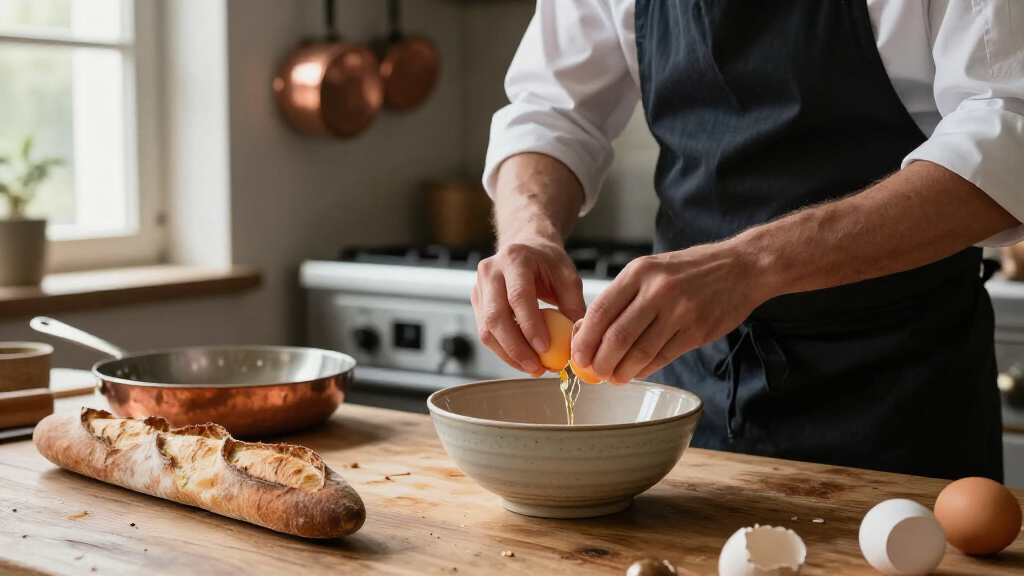
The chef, whose identity is confirmed as a professional with extensive French culinary training, demonstrates a step-by-step process that includes using high-quality bread, precise egg and milk ratios, and specific cooking techniques. He emphasizes the importance of soaking the bread adequately, cooking at the right temperature, and finishing with a dusting of powdered sugar or a drizzle of syrup for optimal flavor. You can learn more about proper French press cleaning techniques to enhance your kitchen skills. The method aligns with traditional French culinary standards, as detailed in the recent French cooking guide.
According to the chef, the key to authentic French toast lies in the preparation of the custard mixture and the cooking process, which should be done slowly to develop a rich, custardy interior and a golden, crispy exterior. The chef also notes that the choice of bread—preferably a day-old baguette or brioche—significantly impacts the dish’s texture and flavor. These insights are based on his professional experience and culinary training, and are intended to guide home cooks toward more authentic results.
Why This Classic Technique Enhances Home Cooking
This detailed demonstration matters because it helps elevate a common breakfast dish into a refined culinary experience rooted in authentic French tradition. For home cooks and food enthusiasts, understanding the precise techniques can improve the quality of their cooking and deepen their appreciation for French cuisine. It also offers a rare insight into professional culinary standards, making traditional French dishes more accessible outside high-end restaurants.
Products Worth Considering

Le Creuset Stainless Steel Roasting Pan with Nonstick Rack, 16.25 x 13.25 in

Breville Barista Touch Espresso Machine, Brushed Stainless Steel

Vitamix 5-Speed Immersion Blender, 625-Watt, Stainless Steel/Black
As an affiliate, we earn on qualifying purchases.
Historical and Culinary Background of French Toast Preparation
French toast, known as ‘pain perdu’ in France, has a long history dating back centuries, traditionally made with stale bread soaked in a custard mixture and fried. The recent demonstration by the French chef reflects ongoing efforts to preserve and share authentic techniques in modern culinary media. While many home recipes simplify the process, professional chefs emphasize the importance of ingredients quality and precise technique, as seen in this latest presentation.
This development follows a broader trend of culinary professionals sharing traditional methods to promote authentic cooking in the age of fast and processed foods. The chef’s approach aligns with classical French culinary principles, emphasizing technique, ingredient quality, and presentation.
“The secret to authentic French toast lies in the quality of bread and the patience during cooking. Proper soaking and gentle heat develop the perfect custard and crispy exterior.”
— French chef Pierre Dupont
Uncertainties About Variations and Accessibility
It is not yet clear how widely the chef’s specific method will be adopted by home cooks or if variations will emerge that alter the traditional process. The availability of certain ingredients, such as high-quality bread or specific types of dairy, may influence the ease of replicating the technique. Additionally, the chef’s precise temperature settings and soaking times are not yet detailed for home use, leaving some aspects open to interpretation.
Next Steps for Home Cooks and Culinary Enthusiasts
Following this demonstration, culinary platforms and cooking communities may experiment with the chef’s technique, sharing their results and adaptations. Further tutorials or workshops could emerge to help home cooks master the process. Additionally, food media may explore similar traditional French techniques, expanding access to authentic recipes and elevating everyday cooking.
Key Questions
What makes this French toast recipe authentic?
This recipe emphasizes the use of quality bread like brioche or baguette, proper soaking in a custard made with fresh eggs and milk, and slow cooking at the right temperature to achieve a crispy exterior and custardy interior.
Can I use different types of bread for this recipe?
While the chef recommends brioche or stale baguette, other breads can be used, but the texture and flavor may vary. The key is to choose bread that absorbs the custard well without falling apart.
Are there specific cooking tools needed?
A non-stick skillet or griddle, a spatula, and a gentle heat source are recommended. Maintaining a consistent, moderate temperature is crucial for best results.
Is this method suitable for gluten-free diets?
Traditional French bread contains gluten, so gluten-free alternatives would be necessary for those with gluten sensitivities. The technique can be adapted with gluten-free bread options.
Will this technique work for large batches?
Yes, but careful attention to cooking temperature and soaking time must be maintained to ensure even cooking and consistent quality across multiple servings.
Source: rss