TL;DR

Get kitchen gear delivered free — and shop member deals
- Fast, free delivery on millions of items
- Access to Prime Big Deal Days deals on October 6–7
- Prime Video, Amazon Music and more included
Cooking on a wood stove is about controlling heat zones by tending the fire and moving cookware. Use heavy pots, dry wood, and proper safety measures to cook reliably off-grid.
Heavy cookware like cast iron provides the most stable heat control on a wood stove.
Map the stove’s heat zones to optimize cooking times and prevent scorching.
Managing the fire with dry, seasoned wood and proper airflow is crucial for consistent heat.
Preheat cookware gradually and rotate pots to handle uneven heat zones.
Safety comes first: install alarms, keep the chimney clean, and store ash safely outside.
How to Cook on a Wood Stovetop
Cooking on a wood stove means working with a living fire. There are no knobs—only fuel, airflow, time and position. Learn to map heat zones, tend a clean fire and move heavy cookware with purpose, and the stove becomes a remarkably capable kitchen partner.
Is your stove ready to cook?
A heating appliance is not automatically a cooking appliance. Follow the manufacturer’s instructions, use only the intended cooktop and stop if the stove’s structure, flue or draft is compromised.
Use the intended top
Keep pots off seams, vents, decorative panels and unsupported areas. A model marketed as cook-capable is preferable.
Inspect before heating
Check metal, glass, door seals, controls and the flue. Do not cook on a cracked, damaged or poorly drafting stove.
Protect the surroundings
Maintain required distances from combustible materials and keep handles, cloths and utensils away from hot edges.
Turn uneven heat into a control system
Use a magnetic thermometer, a suitable infrared thermometer or a small pan of water to identify how your particular stove distributes heat.
Tend the fire for predictable heat
Temperature responds more slowly than it does on gas or electricity. Build cleanly, make deliberate changes and plan ahead—especially when the stove is becoming too hot.
Start small and dry
Use dry kindling and seasoned wood with enough airflow to establish a clean, vigorous burn.
Choose split size deliberately
Smaller splits raise heat faster; larger pieces provide longer, steadier output for extended cooking.
Adjust airflow gradually
Follow the stove instructions and avoid rapid over-corrections. A lively fire is cleaner and more predictable than a smoldering one.
Mass makes heat manageable
Heavy, flat-bottomed cookware buffers temperature swings and reduces scorching. Thin cookware responds quickly, but its hot spots make a variable wood fire harder to control.
| Cookware | Wood-stove fit | Heat stability | Main consideration |
|---|---|---|---|
| Cast-iron skillet | ✓ Excellent | ✓ Very high | Preheat gradually; rough bases may scratch finishes. |
| Dutch oven | ✓ Excellent | ✓ Very high | Ideal for stews, braises, beans and covered baking. |
| Carbon steel | ✓ Strong | ~ Medium-high | Lighter than cast iron and suited to frying or sautéing. |
| Heavy stainless steel | ✓ Strong | ~ Medium-high | Choose a thick, flat base that will resist warping. |
| Thin pan | ✗ Poor | ✗ Low | Develops hot spots and can scorch or warp. |
| Glass or ceramic | ✗ Usually avoid | ~ Variable | Use only when explicitly rated for stovetop heat. |
| Nonstick cookware | ✗ High risk | ~ Variable | Excessive heat can damage coatings and handles. |
Boil & brown
Heat water, sear meat or start a sauté where the surface output is strongest.
Cook & rotate
Continue cooking while stirring and turning the pan to compensate for uneven heat.
Simmer & hold
Move food early, use a lid and add a trivet or diffuser when gentler heat is needed.
From cold stove to finished meal
The repeatable pattern is simple: establish clean combustion, read the surface, then move cookware before the food reaches its target temperature.
Cook attentively. Finish safely.
A wood stove remains a solid-fuel appliance throughout the meal. Heat, smoke, carbon monoxide, chimney condition and ash handling all require active attention.
Use dry wood, build a clean fire, map the stove’s heat zones and cook with heavy, flat-bottomed pans. Regulate the meal by tending the fire and sliding cookware from hot to cool.
Is Your Stove Ready for Cooking? Check Before You Start
Before you put a pot on, confirm your stove is safe and suitable for cooking. A stove designed for heating is not always fit for culinary uses. Look for manufacturer instructions: only use the cooktop surface intended for pots and pans. Check for cracks, damaged metal, or faulty vents—these can cause safety issues or uneven heating. A stove marketed as ‘cook-capable’ is a good sign, meaning it’s built with cooking in mind rather than just heating your space.
Remember, never cook on a stove with a compromised structure or poor draft. Safety first—your stove should be in top shape before you start simmering or boiling.
As an affiliate, we earn on qualifying purchases.
Know Your Heat Zones: Map Out Hot and Cool Spots
Wood-stove tops rarely heat evenly. The area directly above or near the firebox is usually the hottest. The front, sides, or flue side might be cooler, especially if the stove design favors certain zones. To get a feel for heat distribution, use a magnetic or infrared thermometer or a small pan of water placed in different spots. This helps you identify where to boil, simmer, or keep food warm.
Understanding these zones matters because it directly impacts your cooking results. For example, a hot zone might rapidly bring water to a boil but risks scorching delicate sauces if left unattended. Conversely, cooler zones are perfect for slow simmering or gentle warming, which require patience and precise timing. Recognizing and utilizing these differences allows you to plan your cooking process, avoid burnt food, and optimize your fuel use. The tradeoff is that managing multiple zones demands attentiveness—moving pots and adjusting fire—yet it grants you greater control over your cooking outcome.
As an affiliate, we earn on qualifying purchases.
Fire Management: Tending the Fire for Consistent Heat
Managing the fire is the key to controlling heat on a wood stove. Use dry, seasoned firewood—ideally less than 20% moisture—to burn cleaner and hotter. Starting with small kindling and building a small, steady fire allows for better control from the outset. As the fire stabilizes, adding smaller splits boosts the heat quickly, while larger pieces sustain longer, more stable burns. This balance is crucial because fluctuating fire intensity leads to uneven heat zones, making cooking unpredictable.
Adjusting airflow is your primary tool for fire control. More air feeds the fire, increasing temperature and creating a vigorous burn, while reducing airflow cools the fire down, helping prevent overheating or scorching. However, over-adjusting can cause rapid fluctuations, so make small, deliberate changes. A smoldering fire may seem convenient but it produces more creosote and smoke, which can clog your chimney and pose fire risks over time. The tradeoff here is between convenience and safety—maintaining a lively, well-managed fire ensures more predictable heat, safer operation, and more efficient fuel consumption. Planning ahead—such as building a fire that can be adjusted gradually—gives you the best control, especially during longer cooking sessions.
Never use gasoline or lighter fluid. They’re dangerous and can damage your stove or cause flare-ups.
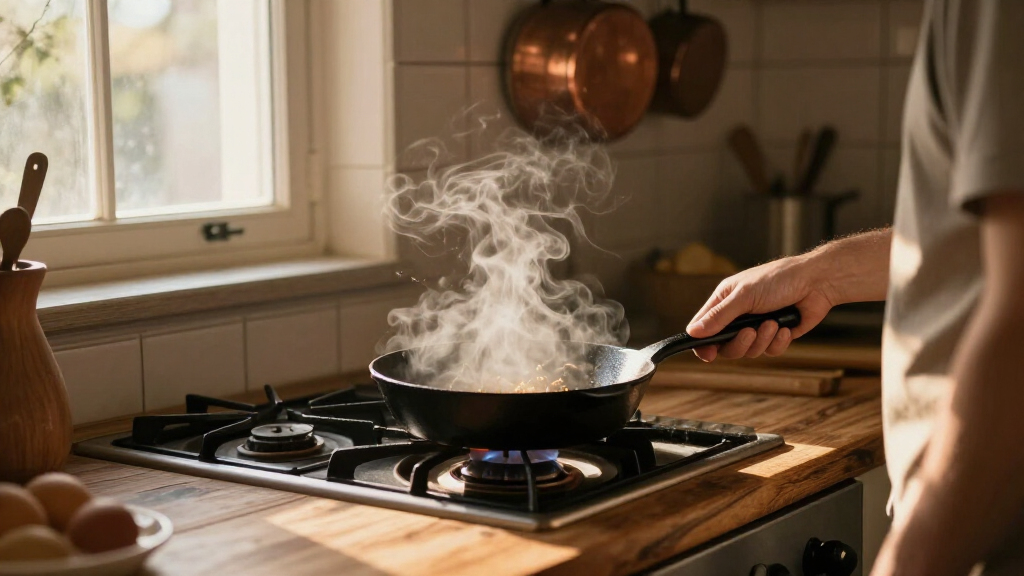
heavy flat-bottomed pots for open fire cooking
As an affiliate, we earn on qualifying purchases.
As an affiliate, we earn on qualifying purchases.
Pick the Right Cookware for Wood Stove Cooking
Heavy, durable cookware is your best friend. Cast iron skillets, Dutch ovens, and carbon-steel pans handle temperature swings well because their mass buffers against rapid changes, reducing hot spots and scorching. Flat-bottomed stainless-steel pots and enameled cast iron also work well, provided they can withstand high heat without warping or delaminating. The key is material that distributes heat evenly and retains it—this reduces the need for constant adjustments and prevents burning.
Think about the scenario: you’re boiling water for pasta or frying bacon. Heavy pans with flat bottoms distribute heat evenly, which is essential for consistent results. Avoid thin pans, which warp or create uneven heating, leading to hot spots that scorch food. Glass or ceramic cookware can crack unless rated for stovetop use, and nonstick coatings often degrade at high temperatures, releasing potentially harmful fumes. The tradeoff here involves durability versus responsiveness—heavy, thick pans may take longer to heat up but offer more control and stability, vital for off-grid cooking where fuel management is critical. For instance, a 12-inch cast iron skillet can brown steaks and fry eggs without scorching thanks to its heat retention, making it a versatile, reliable tool for off-grid kitchens.
As an affiliate, we earn on qualifying purchases.
Cooking Methods That Thrive on a Wood Stove
Wood-stove tops excel at certain cooking tasks. Think slow simmering, boiling, frying, and baking in Dutch ovens. The variable heat zones suit these methods perfectly. For example, boiling water for tea or pasta is straightforward in a hot zone, while a cooler zone is ideal for simmering a stew gently without scorching. Preheating cookware gradually helps prevent thermal shock and extends its lifespan, especially with cast iron. Stirring frequently and rotating pans ensures even heating and prevents hot spots that can burn food. Using lids conserves heat, speeds cooking, and reduces fuel consumption. When you need to hold food warm or prevent burning, moving pots to a cooler zone or placing them on a trivet is effective. The tradeoff involves the need for constant attention and movement but grants flexibility in managing different cooking stages—something that’s more difficult with a stove that has fixed heat settings.
Scenario: you’re baking bread in a cast-iron Dutch oven. By heating it on a moderate zone, then moving it to a cooler spot, you get a crusty loaf without burning the bottom. This technique mimics conventional oven baking, giving you control over crust and crumb quality.
Step-by-Step: Cooking on a Wood Stove Like a Pro
- Start a small, dry fire with kindling and seasoned wood, ensuring good airflow for a vigorous burn.
- Let it burn until you reach a stable, hot fire—usually 15-20 minutes—so the heat is predictable.
- Map out hot and cool zones with a thermometer or a small pan of water, noting their locations for future use.
- Preheat your cookware gradually over a moderate zone to prevent thermal shock and ensure even heating.
- Use the hottest zone for boiling or browning, understanding that this zone may fluctuate during the burn.
- Slide the pan to a moderate or cooler zone for simmering or gentle cooking, adjusting fire as needed.
- Keep an eye on both your food and the fire, adjusting firewood and airflow to maintain desired temperatures.
- Use a trivet or heat diffuser for delicate tasks or to prevent scorching, especially with sensitive ingredients.
- Finish with a cool-down fire, safely extinguishing or reducing heat for the night, conserving fuel and preventing damage.
Example: you’re making a hearty vegetable stew. Starting with a hot zone to sauté, then moving to a cooler zone to simmer slowly, allows flavors to develop deeply without scorching or burning, resulting in a rich, balanced dish. This step-by-step control is essential for mastering off-grid cooking techniques.
Stay Safe and Keep Indoor Air Clean
Safety is about more than just the fire—ventilation, alarms, and proper maintenance matter. Install smoke and carbon monoxide detectors and keep chimneys clean to prevent dangerous buildup. Never leave a fire unattended, especially when frying or simmering, as flare-ups can occur quickly. Proper ventilation reduces indoor pollutants and helps maintain air quality, which is vital when cooking in enclosed spaces.
Keep children, pets, and combustible items away from the stove. Use long-handled utensils and oven gloves to prevent burns. Store ash safely in a metal container outside, on a noncombustible surface, to prevent accidental fires from residual embers. In case of a grease fire, cover the pan to smother flames and turn off the stove—never pour water on burning oil, as it causes dangerous splatters and flare-ups. The tradeoff here is balancing safety with functionality—good ventilation and vigilant supervision ensure that your off-grid cooking remains safe and sustainable without risking health or property.
Remember, cooking releases steam, odors, and some smoke. Good ventilation helps, but avoid depressurizing your home or interfering with chimney draft by over-venting, which can reduce the efficiency of your stove and increase indoor pollution.
Food Safety: Keep Your Food Safe and Tasty
Wood stoves don’t change food safety rules. Use a thermometer to check meat—145°F for steak, 165°F for poultry. Proper cooking temperatures kill harmful bacteria and prevent foodborne illnesses. Keep raw and cooked foods separate to avoid cross-contamination, and refrigerate perishables promptly to slow bacterial growth. When refrigeration isn’t available, plan meals to use perishable items quickly or preserve them through drying, smoking, or fermenting.
Hot foods should stay above 140°F, and cold foods below 40°F to prevent bacterial growth. During outages, minimize opening your fridge or freezer to maintain cold temperatures longer, which is especially important in off-grid settings. Always wash hands, utensils, and surfaces thoroughly after handling raw meat or seafood to prevent cross-contamination. Proper storage and handling are critical because, in off-grid environments, food safety becomes a matter of survival—poor practices can lead to illness, compounding the difficulties of living off-grid.
Example: after a long day of off-grid living, you pull out a chilled salad—fresh, crisp, and safe to eat, thanks to proper refrigeration and handling. Ensuring food safety in remote settings is about awareness and discipline, not just equipment.
Keep Your Stove in Shape: Maintenance and Cleaning Tips
Regular cleaning prevents buildup and keeps your stove working well. Wipe spills when cool, avoiding harsh cleaners that can damage surfaces. Remove ash safely and check gaskets, firebricks, and air controls weekly to ensure proper operation. A well-maintained stove burns more efficiently, produces less creosote, and reduces the risk of dangerous chimney fires.
Inspect the chimney regularly for creosote buildup—a sticky, flammable residue that can ignite and cause fires. Schedule a professional chimney sweep at least once a year if you cook often, especially in colder months when more fuel is burned. Keeping the stovetop surface free of sugary or acidic spills prevents corrosion and damage to paint or enamel, extending the life of your stove. These maintenance routines may seem simple, but neglecting them can lead to costly repairs or dangerous conditions, especially in off-grid settings where emergency services are less accessible.
Example: a quick monthly wipe of the cast iron keeps it looking good and functioning smoothly, ready for the next batch of cooking, while regular chimney inspections prevent hazardous fires.
The Latest Trends in Wood Stove Cooking
More off-grid households are turning to wood-stove cooking for resilience and efficiency. Modern stoves burn cleaner, with less smoke and creosote, if operated correctly. Tools like infrared thermometers and heat diffusers make managing heat easier, allowing you to fine-tune temperatures for different recipes and reduce fuel waste.
Public health concerns about smoke emissions have led to stricter standards and emissions-certified stoves, which produce less indoor pollution and are safer for long-term use. Some models include built-in ovens, burners, or temperature controls tailored specifically for cooking, bridging the gap between traditional fire and modern convenience. Local regulations may influence what you can install or use, so staying informed helps you choose the best equipment for your needs.
Example: a household upgraded to a high-efficiency stove with a stovetop oven, allowing baking bread and roasting vegetables during power outages or grid failures, demonstrating how innovation enhances off-grid cooking capabilities while maintaining safety and environmental standards.
Frequently Asked Questions
Can I cook on any wood-burning stove?
Not all wood stoves are designed for cooking. Look for models marketed as ‘cook-capable’ or with flat, stable surfaces. Check for manufacturer guidelines to ensure safety and suitability.How do I know where the hottest spot is on my stove?
Use a magnetic or infrared thermometer or place a small pan of water in different zones. Boiling water quickly indicates a hot zone; slower simmering shows cooler areas.How dry should my firewood be?
Firewood should have less than 20% moisture content—seasoned for at least 6-12 months. Dry wood burns cleaner, hotter, and produces less creosote.How do I prevent food from burning on the bottom?
Use heavy, flat-bottomed cookware and manage heat zones carefully. Move pots to cooler areas before scorching occurs. Using a heat diffuser can also help.Is it safe to cook during a chimney fire?
No. If you suspect a chimney fire or see smoke spilling into the room, turn off the stove and call emergency services. Never cook on a compromised stove during unsafe conditions.Conclusion
Cooking on a wood stovetop demands attention and practice, but it rewards you with a reliable, off-grid kitchen. Think of it as working with a living fire—respect it, and it will serve your meals well. With patience, your stove becomes an extension of your skills, turning raw fire into delicious food in the wild or during a blackout.Fall Picks
fall essentials
As an affiliate, we earn on qualifying purchases.