
TL;DR

Get kitchen gear delivered free with Prime
- Fast, free delivery on millions of items
- Prime Video, Amazon Music and more included
- Member-only deals all year
Mylar bags and oxygen absorbers are a powerful combo for long-term food storage. They remove oxygen and block light, moisture, and pests, making food last decades if stored properly. Knowing how to choose, use, and maintain them keeps your pantry secure and your food fresh.
Imagine a pantry where your grains, beans, and dried foods stay fresh and pest-free for decades. It’s possible—and it’s all about the right tools. Mylar bags and oxygen absorbers are the dynamic duo that protect food from the often unseen enemies: oxygen, light, moisture, and pests. If you’re serious about self-reliance or prepping, understanding these tools can transform your storage game.
In this guide, you’ll learn what makes these materials effective, how they work together, and practical tips for using them properly. Whether you’re storing a year’s supply or just want peace of mind, mastering this combo is a smart move for any off-grid or home pantry.
Always choose the right size oxygen absorber for your food amount to ensure complete oxygen removal.
Proper sealing and storage conditions (cool, dark, dry) are key to maximizing shelf life.
Mylar bags and oxygen absorbers can preserve dry foods for 20+ years when used correctly.
Avoid reusing bags and absorbers, as their effectiveness diminishes after one use.
Stay informed about new materials and techniques that push the limits of food longevity.
What Are Mylar Bags? The sturdy, reflective shield for your food
Mylar bags are made from a tough polyester film called BoPET—short for biaxially-oriented polyethylene terephthalate. Think of them as a shiny, durable blanket for your food. They’re great at blocking light, which can degrade nutrients and flavor, and they resist punctures better than typical plastic bags.
Picture filling a bag with rice, sealing it tight, and knowing that a thin, reflective barrier is protecting it from the sun’s rays and air. The thickness, measured in mils (thousandths of an inch), influences durability. A 5-mil bag feels sturdy enough for most dry foods, while thicker options provide even better protection for longer storage.
Many home preservers use Mylar for grains, dried herbs, or dehydrated fruits. It’s like wrapping your food in a protective bubble that keeps pests and moisture out while reflecting heat and light away.
As an affiliate, we earn on qualifying purchases.
What Are Oxygen Absorbers? The tiny iron-powered cleaners of air
Oxygen absorbers are small packets packed with iron powder that react with oxygen to remove it from a sealed environment. This process is crucial because oxygen accelerates spoilage through oxidation, promotes mold growth, and fuels insect activity. By removing oxygen, absorbers dramatically slow or halt these processes, effectively putting food into a state of suspended decay.
Their effectiveness depends on the size and quantity used relative to the food volume. When activated, they create an environment where bacteria, mold, and pests find it nearly impossible to survive. This not only extends shelf life but also preserves flavor, texture, and nutritional value. Using oxygen absorbers is a tradeoff: they are most effective for dry, shelf-stable foods, but less so for high-moisture or liquid foods where moisture can compromise the seal or encourage spoilage despite oxygen removal.
Imagine sealing dried beans in a bag with an oxygen absorber—they’re protected from pests, mold, and oxidation, which could otherwise cause nutrient loss and spoilage in just a few years. This tiny packet thus acts as a silent guardian, extending the lifespan of your stored food.
oxygen absorbers for food preservation
As an affiliate, we earn on qualifying purchases.
As an affiliate, we earn on qualifying purchases.
How Mylar Bags and Oxygen Absorbers Work Together to Keep Food Fresh
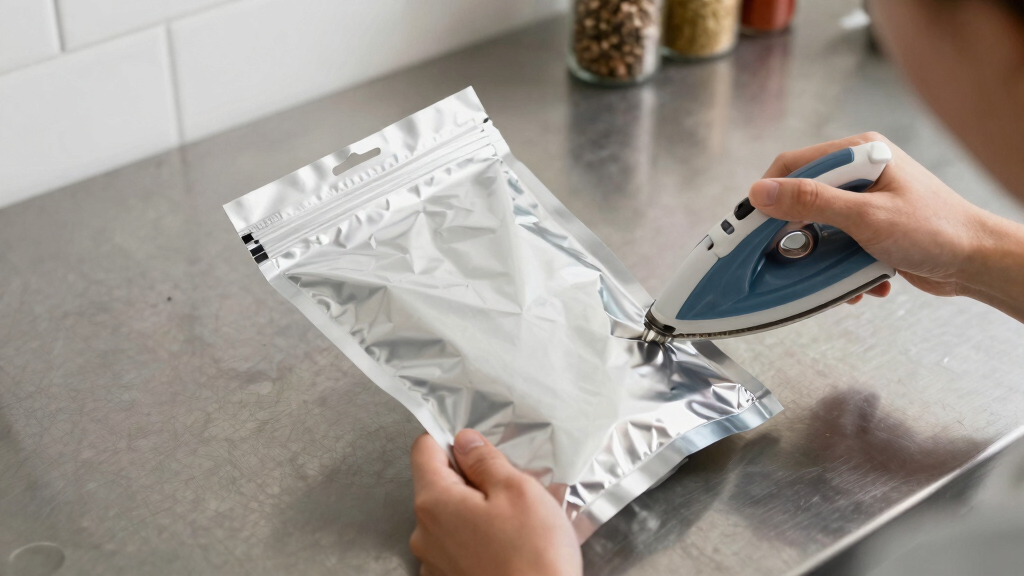
Mylar bags and oxygen absorbers form a synergistic team that dramatically enhances long-term food preservation. Filling a bag with dry food, like grains or dried fruits, and adding an appropriately sized oxygen absorber initiates a process that effectively halts most deterioration mechanisms. The heat-sealing step creates an airtight barrier, trapping the oxygen absorber inside and preventing new oxygen from entering.
This process is akin to creating a tiny, sealed vacuum chamber—an environment where pests, mold, and oxidation are no longer threats. The oxygen absorber actively pulls oxygen from the environment, while the reflective, impermeable mylar layer blocks light and moisture. Together, they maintain a stable, inert environment that can last for decades if the seal remains intact.
For example, storing wheat berries with a 300cc oxygen absorber in a 2-quart bag results in a sealed environment that inhibits pests and oxidation for over 20 years. This combination effectively halts the aging process, preserving the food’s nutritional and sensory qualities for the long haul. The key is ensuring the seal is airtight and the environment remains stable—any breach can compromise the stored food’s longevity.
As an affiliate, we earn on qualifying purchases.
Latest Advances Making Your Food Last Longer and Stay Safer
Recent innovations in Mylar film technology have significantly improved barrier properties. Modern Mylar bags can now block oxygen and moisture more effectively, which means your stored food can potentially last beyond 25 years—an enormous leap from traditional expectations. These advanced films are often food-grade, BPA-free, and designed to resist punctures and tears, reducing the risk of accidental breaches that could compromise your food.
Oxygen absorber technology has also evolved. Now, you can select absorbers tailored to specific storage needs—small packs for spices, larger ones for bulk grains—ensuring optimal oxygen removal without waste. Some storage setups combine these advanced Mylar bags with vacuum sealing or nitrogen flushing, creating an ultra-stable environment that virtually halts spoilage processes.
Imagine wrapping your stored grains in a super-strong, reflective blanket, then flushing out all remaining air with nitrogen before sealing. This method pushes the boundaries of food longevity, effectively freezing time for your supplies. Such techniques are especially valuable for preppers and long-term food storage enthusiasts aiming for decades of shelf life with minimal degradation.
vacuum sealed Mylar bags with oxygen absorbers
As an affiliate, we earn on qualifying purchases.
As an affiliate, we earn on qualifying purchases.
Frequently Asked Questions
Can I store liquids in Mylar bags with oxygen absorbers?
No. Mylar bags are designed for dry, solid foods. Liquids and high-moisture foods require sealed cans or glass jars with oxygen absorbers, but even then, oxygen absorbers are less effective in liquids.How do I know if my oxygen absorber has worked?
Most absorbers change color or are designed to be used with specific types of packs. You can also weigh the pack before and after; if it’s lighter, oxygen has been removed. But a visual or color indicator is best when available.How long can I store food in Mylar bags with oxygen absorbers?
Under ideal conditions—cool, dry, and dark—up to 20-25 years for most dry foods. Actual longevity varies based on storage environment and food type.Is it better to vacuum seal or use Mylar bags with oxygen absorbers?
Both work well. Vacuum sealing removes air, but Mylar bags with oxygen absorbers add an extra layer of protection by blocking light and moisture. For long-term storage, combining both methods is often best.Conclusion
Using Mylar bags paired with oxygen absorbers gives you an affordable, reliable way to put your food storage on autopilot. It’s like building a tiny, airtight vault for each batch of grains or dehydrated meals—protecting your future pantry from decay and pests.
Remember: the key is proper sealing, dry food, and a dark, stable environment. With a little practice, you’ll create a storage system that lasts decades—a quiet, steady safeguard for your off-grid life or emergency preparedness.
Halloween Picks
halloween
As an affiliate, we earn on qualifying purchases.