TL;DR

Get kitchen gear delivered free with Prime
- Fast, free delivery on millions of items
- Prime Video, Amazon Music and more included
- Member-only deals all year
Root cellaring is an age-old method of storing fruits and vegetables in a cool, humid environment. It can extend freshness for months without electricity, saving energy and money while supporting sustainable living.
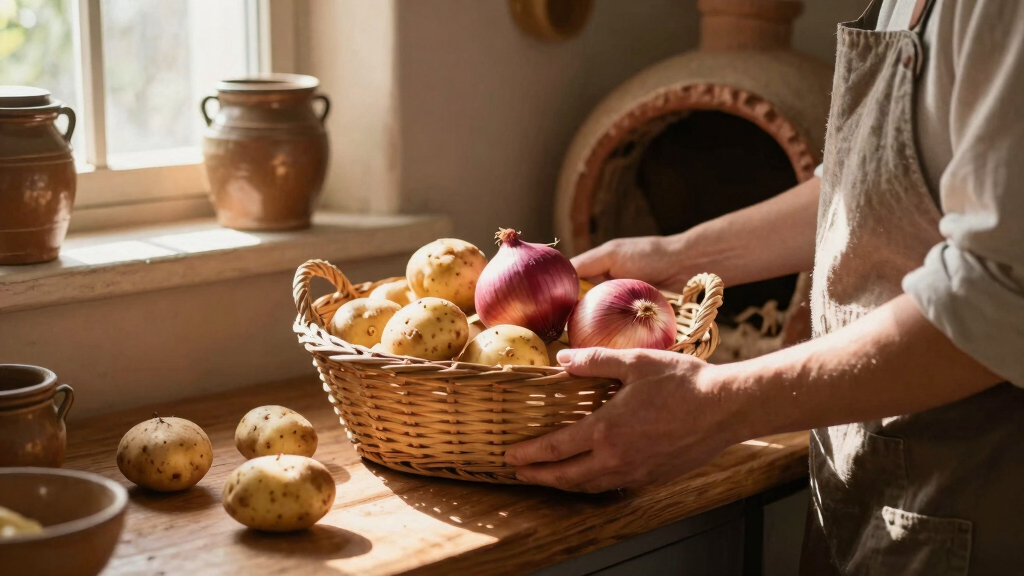
Imagine harvest time. You pick a basket of potatoes, carrots, and apples, then keep them fresh without a fridge. Root cellaring makes this possible. It’s an age-old technique that uses natural conditions—cool, dark, humid—to preserve produce. No energy bills, no electricity. Just a simple, reliable way to enjoy your harvest long after the season ends.
Whether you have a basement, a hillside, or a small outdoor shed, you can create a storage space that keeps your food fresh, flavorful, and safe. This guide will walk you through the essentials: what to store, how to set up your root cellar, and tips to keep your produce in perfect shape. Ready to cut your food waste and boost your self-reliance? Let’s get started.
Choose crops suited for root cellaring, like potatoes, carrots, apples, and squash.
Build or adapt a storage space that maintains 32-55°F, 85-95% humidity, and good airflow.
Prioritize proper curing and regular checks to prevent spoilage.
Simple upgrades like passive ventilation and monitoring tools greatly improve success.
Root cellaring can store produce for 4-6 months, reducing waste and energy use.
Root Cellaring: Storing Produce Without a Fridge
Root cellaring uses cool, dark, humid conditions to keep potatoes, carrots, apples, squash, and other storage crops fresh for months without electricity. It is low-cost food resilience: less waste, lower energy use, and a longer harvest season.
Properly cured root crops can stay firm through much of the off-season.
A stable cool range slows sprouting, ripening, and decay.
Those four conditions turn a basement corner, hillside room, or insulated shed into practical food storage.
Prevents shriveling while keeping roots crisp.
Potatoes, carrots, beets, apples, pears, squash, onions, garlic, cabbage.
Passive storage needs no fridge or freezer.
Remove soft, sprouted, or moldy produce early.
Controlled by airflow, spacing, and clean bins.
What Belongs in the Cellar
Choose crops that naturally tolerate cool, humid, dark storage. Root vegetables and hard-skinned winter crops are the dependable foundation; tender greens and berries need other preservation methods.
Potatoes, carrots, beets
Store well for months when cured, kept dark, and layered with enough space for airflow.
Apples and pears
Keep crisp in cold storage, but separate from vegetables sensitive to ethylene gas.
Squash, onions, garlic
Need curing first, then a drier, ventilated area to prevent soft spots and rot.
The practical rule
Store sturdy crops that evolved to wait out a season. Avoid leafy greens, berries, and delicate herbs unless you plan to refrigerate, dehydrate, ferment, can, or eat them quickly.
Build the Storage Space in Four Moves
A root cellar can be a hillside chamber, a basement room, an insulated shed, or even a well-managed storage box. The design goal is stable cold, high humidity, darkness, and gentle ventilation.
Choose location
Pick a naturally cool, dark place such as a basement corner, underground room, or hillside cut.
Insulate well
Buffer above-ground walls and ceilings; use straw, foam, earth, or masonry to reduce swings.
Vent passively
Add low and high vents so fresh air can move through without trapping stale dampness.
Stock carefully
Cure crops, use crates or bins, layer with straw or paper, and leave inspection space.
The Three Conditions That Matter
Temperature, humidity, and airflow work together. Too warm speeds decay, too dry shrivels produce, and too stagnant encourages mold.
Storage Fit by Crop
Temperature Sweet Spot
Keep most storage crops in the 32-55°F range. Potatoes often prefer 45-50°F, while apples can sit closer to 30-35°F when freezing is avoided.
Crop-by-Crop Storage Matrix
Use this comparison as a planning checklist before harvest. The strongest candidates combine durable skins, good curing behavior, and tolerance for cool dark storage.
| Crop | Root Cellar Fit | Preferred Condition | Cure First? | Watch For |
|---|---|---|---|---|
| Potatoes | ✓ Excellent | 45-50°F, humid, dark | ✓ Yes | Light exposure, sprouting, rot |
| Carrots | ✓ Excellent | Near freezing, very humid | ~ Trim tops | Shriveling, soft spots |
| Apples | ✓ Good | 30-35°F, ventilated | ✗ No | Ethylene, bruising |
| Winter Squash | ~ Good if drier | Cool, dry, ventilated | ✓ Yes | Stem damage, excess humidity |
| Leafy Greens | ✗ Poor | Refrigerate or preserve | ✗ No | Wilting, slime |
| Berries | ✗ Poor | Refrigerate, freeze, or dry | ✗ No | Mold, rapid collapse |
Common Mistakes That Spoil the Harvest
Most failures come from small management gaps. Leave room for air, cure the right crops, and inspect regularly so one bad apple does not become a full-bin problem.
Overcrowding
Packed bins trap moisture and block airflow. Use shallow layers, crates, and spacing so damp air can escape.
Skipping curing
Potatoes, onions, garlic, and squash need time to harden skins and heal small nicks before storage.
Ignoring spoilage
Weekly checks catch soft spots, mold, and sprouting before decay spreads to healthy produce.
Trace the Food Resilience Loop
Root cellaring is not just a storage trick. It connects garden planning, harvest timing, passive design, and winter meals into one low-energy system.
What produce can you keep in a root cellar? Here’s the list
Not everything benefits from root cellaring. The key is choosing crops that thrive in a cool, humid, dark environment. Root vegetables like potatoes, carrots, beets, turnips, and parsnips top the list. They store well for 4-6 months if cured properly.
Fruits like apples and pears also keep their crunch and sweetness for months. Additionally, winter squash like butternut or acorn can last for a long stretch, provided they’re cured and kept in the right conditions.
Some crops, however, don’t do well in root cellars. Leafy greens, berries, and most fresh herbs need refrigeration or immediate preservation methods. Knowing what to store is half the battle.
For example, a homesteader in Vermont might harvest potatoes, apples, and carrots in September, then keep them in a makeshift root cellar for winter meals. The key is selecting crops suited to your climate and storage space.
As an affiliate, we earn on qualifying purchases.
How to build your own root cellar in 4 simple steps
- Choose a location: Pick a spot underground, like a hillside or a basement, that stays naturally cool and dark. Avoid areas prone to flooding or temperature swings.
- Insulate and prepare: If above ground, add insulation to walls and ceiling. For underground spaces, ensure natural ventilation and add a layer of straw or foam for extra insulation.
- Control the environment: Keep the temperature between 32°F and 55°F. Use a thermometer to monitor. Add passive ventilation — vents or small windows — to prevent mold and stale air.
- Stock your storage: Cure crops like potatoes and onions for a week in a dark, dry place. Store them in bins or crates, layered with straw or newspaper, and check regularly for spoilage.
For example, a DIYer in a northern climate might dig into a hillside, then line the space with straw and install a vent to keep fresh air flowing. It’s simple, cheap, and sustainable.
As an affiliate, we earn on qualifying purchases.
What conditions make a root cellar work best? Master these three
Root cellaring hinges on three key factors: temperature, humidity, and airflow. Achieving the right balance among these creates an environment where produce can safely stay fresh for extended periods, often months beyond typical storage methods. This balance is critical because each factor influences the others; for example, high humidity without proper airflow can promote mold, while too cold a temperature can cause freezing damage.
Temperature: Maintaining a steady 32°F to 55°F is essential because it slows down the metabolic processes of stored produce, preventing sprouting, ripening, and decay. Temperatures above this range accelerate spoilage, while below freezing can cause cell damage, leading to mushy or rotten crops. Fluctuations are particularly harmful, as they stress the produce and open the door for mold or rot. For instance, a slight increase in temperature during summer can cause stored carrots to sprout or rot faster, reducing their shelf life and quality.
Humidity: Keeping humidity between 85-95% prevents dehydration and shriveling, ensuring vegetables remain firm and flavorful. If humidity drops too low, produce can become limp or dry out, losing both texture and taste. Conversely, excess humidity without proper ventilation fosters mold growth and rot, especially in crops like potatoes and squash. Using a humidifier or sprinkling water can help, but it’s a delicate tradeoff—too much moisture and mold, too little and shriveling. Achieving this balance extends storage life and preserves quality, making it worth the careful monitoring.
Airflow: Proper ventilation is crucial because it prevents stale, damp air from stagnating, which can lead to mold and decay. Installing vents or leaving gaps in storage containers allows fresh air to circulate, removing excess moisture and heat. Without airflow, moisture builds up, creating an environment conducive to mold and rot, especially in humid conditions. Even simple measures like hanging mesh bags or installing small vents can dramatically improve storage outcomes. Good airflow also helps regulate temperature and humidity, stabilizing the environment and reducing the risk of spoilage, which is why it’s often overlooked but vital for successful root cellaring.
Imagine walking into your underground storage, the cool air brushing your cheeks, the faint earthy smell, and produce that still feels firm and fresh after months. When these three factors—temperature, humidity, and airflow—are carefully managed and balanced, your harvest can stay vibrant, nutritious, and safe for much longer than in a typical refrigerator. This harmony is what makes root cellaring a sustainable, reliable method for long-term food storage.
cool dark storage bins for produce
As an affiliate, we earn on qualifying purchases.
As an affiliate, we earn on qualifying purchases.
Common mistakes that ruin your root cellar harvest
Even with good intentions, little errors can spoil your stored bounty. Here are the most common pitfalls:
- Overcrowding: Storing too much in one space blocks airflow, causing mold and rot. When produce is packed tightly, moisture gets trapped, creating a perfect environment for spoilage. Proper layering and space management allow air to circulate, significantly reducing the risk of decay. Overcrowding also makes it harder to inspect and remove spoiled items early, which can quickly spread decay to healthy produce, compromising your entire harvest.
- Poor curing: Skipping the curing process for potatoes and onions leads to early spoilage. Curing helps to toughen the skin, reduce moisture, and heal minor damages, which are entry points for rot. For example, curing potatoes in a dark, dry place for about a week before storage allows the skin to thicken, reducing moisture loss and preventing early sprouting or rotting. Proper curing creates a protective barrier, extending shelf life and maintaining quality over months.
- Ignoring spoilage: Not checking regularly means rotten or sprouted produce can spread quickly, ruining the entire batch. Regular inspections allow early removal of compromised items, preventing the spread of mold or rot to healthy produce. This proactive approach minimizes waste and preserves the overall quality of your stored crops. For instance, a quick weekly glance can catch early signs of sprouting or mold, allowing prompt removal and preventing larger losses.
- Light exposure: Light encourages sprouting and decay, so keep your storage dark. Even minimal exposure can trigger sprouting in potatoes and encourage mold growth, shortening storage life. Using opaque containers or covering storage areas with dark cloths or curtains helps maintain darkness. Maintaining a dark environment is key because light acts as a trigger for sprouting and decay, which can accelerate spoilage and reduce your harvest’s longevity.
- Temperature swings: Fluctuations cause produce to freeze or spoil faster. Rapid changes stress the crops, leading to cellular damage or accelerated ripening. Maintaining a stable temperature environment—by insulating and controlling ventilation—is essential for maximizing storage duration and quality. For example, a sudden warm spell might cause some crops to sprout or rot prematurely, but a well-insulated, temperature-stabilized space prevents these issues, extending the harvest’s usability.
For instance, a gardener in Maine once stored a batch of potatoes in a corner of their basement, only to find sprouted, shriveled spuds in February. Regular checks and proper layering could have prevented that by catching early signs of sprouting or spoilage, illustrating how small maintenance efforts pay off in preserving your harvest.
passive ventilation for root cellar
As an affiliate, we earn on qualifying purchases.
As an affiliate, we earn on qualifying purchases.
Modern twists that boost your root cellaring success
Today’s innovations make root cellaring easier and more reliable. Some ideas include:
- Passive solar designs: Using sun-shielded, insulated walls to keep the space naturally cool, reducing the need for mechanical cooling and energy use.
- Ventilation upgrades: Installing simple passive vents or small fans powered by solar panels to maintain fresh air and prevent humidity buildup, which can otherwise lead to mold or decay.
- Monitoring tools: Using inexpensive thermometers or sensors to track temperature and humidity remotely allows for timely adjustments, preventing spoilage due to environmental fluctuations.
- Community sharing: Swapping stored produce or tips with neighbors diversifies your winter pantry and creates a support network, reducing individual storage burdens and increasing resilience.
For example, a small homestead might retrofit an old root cellar with a solar-powered fan, maintaining a steady 45°F even during hot summer days, extending their storage window by weeks and reducing spoilage risks. These modern adaptations help bridge traditional techniques with current technology, making sustainable storage more accessible and effective.
Frequently Asked Questions
How do I know if a crop is cured enough for storage?
Crops like potatoes and onions should be dry and firm on the outside, with no soft or moldy spots. For example, leave potatoes in a dry, dark space for about a week after harvesting. They’re ready when skins are hard and not peeling easily.
Can I store produce in a converted basement or garage?
Yes, as long as you can control the temperature, humidity, and light. Use a thermometer and humidity monitor to keep conditions steady. Insulate the space if necessary, and add vents for airflow.
What’s the biggest mistake to avoid in root cellaring?
The most common mistake is neglecting regular checks. Spoiled produce spreads quickly, ruining the whole batch. Make it a habit to inspect your stored crops once a month and remove any that show signs of rot or sprouting.
How long can I realistically store produce without a fridge?
With proper conditions, most root vegetables and apples can last 4-6 months. Some squash and hardy fruits may last even longer. It depends on the crop, curing process, and how well you manage your storage environment.
Conclusion
Root cellaring transforms your pantry into a silent, energy-free vault of freshness. With a bit of planning and care, you can enjoy homegrown flavors all winter — no electricity needed. It’s a quiet act of resilience that connects you back to the land and your food.
Start small: a corner of your basement or a hillside. Watch how your stored harvest becomes a dependable part of your kitchen. Because sometimes, the simplest solutions are the strongest ones.
Halloween Picks
halloween
As an affiliate, we earn on qualifying purchases.