TL;DR

Get kitchen gear delivered free with Prime
- Fast, free delivery on millions of items
- Prime Video, Amazon Music and more included
- Member-only deals all year
Fermenting vegetables at home is simple when you pick fresh produce, salt it properly, and keep everything submerged in a controlled environment. It creates delicious, probiotic-rich foods that last months in your fridge.
Use fresh, organic vegetables and cut them into uniform sizes for even fermentation.
Salt at 2-3% of vegetable weight to control bacteria and ensure safety.
Keep vegetables submerged under brine in a clean, airtight container to prevent mold.
Maintain a steady room temperature of 65-75°F for predictable results.
Taste-test regularly and store finished ferments in the fridge to preserve flavor and crunch.
How to Ferment Vegetables at Home
Turn fresh cabbage, carrots, cucumbers, radishes, and seasonal vegetables into tangy, crunchy, probiotic-rich foods with salt, brine, clean jars, and a little patience. The safety formula is simple: fresh produce, 2-3% salt, steady room temperature, and vegetables kept fully submerged.
Proper fermentation acidifies the jar enough to inhibit harmful bacteria.
Measure salt by vegetable weight for predictable flavor, texture, and safety.
Keep it under brine. Submersion is the line between a clean ferment and a mold-prone batch.
Start With Crisp Produce
Fermentation rewards vegetables that are fresh, firm, and blemish-free. Uniform cuts help the brine penetrate evenly, so every bite finishes with the same crunch and tang.
Sauerkraut Base
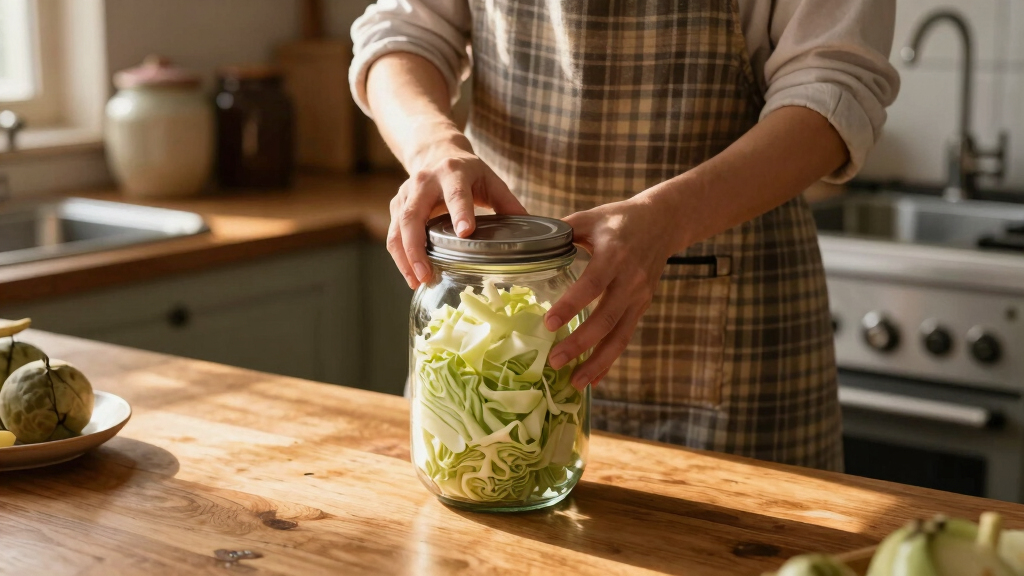
Shred finely, salt by weight, and massage until the cabbage releases enough juice to cover itself.
Classic Pickles
Choose firm, bright cucumbers. A fresh cucumber can become a crisp, tart pickle in about a week.
Sweet Heat
Cut into even sticks or coins. Add ginger, garlic, turmeric, or herbs for functional flavor.
Five-Step Ferment Flow
Home fermentation is a controlled chain: clean, salt, submerge, wait, then chill. Each step protects the environment beneficial microbes need.
Wash
Use clean jars and fresh vegetables free of residues.
Cut
Slice, shred, or leave whole, but keep sizes consistent.
Salt
Add 2-3% salt by vegetable weight and mix thoroughly.
Submerge
Use a weight, small jar, or clean stone below the brine.
Chill
When tangy and crunchy, refrigerate to slow fermentation.
Salt, Temperature, Time
The most reliable ferments live in the middle: enough salt to control unwanted bacteria, enough warmth to activate fermentation, and enough time to develop flavor without losing crunch.
Fermentation Readiness
Taste regularly. Cabbage and kimchi may need one to two weeks; quick vegetables can be ready in days.
Temperature Sweet Spot
Cooler rooms slow fermentation and create subtler flavor. Warmer rooms move faster but require closer monitoring.
Best practice: keep jars in a dark corner, away from direct sun and sudden temperature swings.
Compare the Critical Choices
Small setup decisions make a large difference. The safest batches combine clean glass, measured salt, full submersion, and daily checks.
| Choice | Best Practice | Risk Level | Beginner Verdict |
|---|---|---|---|
| Fresh organic vegetables | ✓ Crisp, blemish-free produce ferments evenly | Low | Start here for better flavor and texture |
| 2-3% non-iodized salt | ✓ Weigh vegetables, then salt accurately | Low | Most dependable home method |
| No-salt fermentation | ~ Possible, but needs close monitoring | Medium | Not ideal for first batches |
| Vegetables above brine | ✗ Exposed produce invites mold | High | Use a weight every time |
| Loose lid or airlock | ✓ Lets gases escape during active fermentation | Low | Simple and beginner-friendly |
Safety Signals
Sour is normal. Rotten is not. Daily checks help you catch surface scum, mold, or off-odors before they compromise the batch.
What Looks Normal
Bubbles, cloudy brine, sour aroma, mild foam, and a tangy flavor are expected signs of active fermentation.
When to Stop
Fuzzy white, green, or black growth means mold. Remove small patches immediately; discard the batch if mold persists, spreads, or smells rotten.
Trace the Transformation
A simple jar becomes a living preservation system: salt pulls water from vegetables, brine protects the surface, acidity rises, and refrigeration locks in flavor.
Beginner Questions
Most fermentation worries come down to equipment, timing, salt, and safety. Keep the setup clean and the vegetables submerged, then let taste guide the finish line.
Is home fermentation safe?
Yes, when you use proper hygiene, correct salt levels, full submersion, and daily monitoring for mold or off-odors.
How long does it take?
Most vegetables ferment in 3 days to 4 weeks. Taste every few days until the flavor is tangy and the texture is still crisp.
What equipment do I need?
A clean glass jar, a weight or small jar to hold vegetables down, and a breathable lid or fermentation lid are enough.
Can I skip salt?
Salt is highly recommended for safety and flavor. Low-salt methods require closer monitoring and are less beginner-friendly.
Pick the Best Vegetables for Fermentation — Your Flavor and Safety Depend on It
Choosing the right vegetables is step one. Think crisp, fresh, and blemish-free. Popular choices include cabbage for sauerkraut, carrots for a sweet tang, cucumbers for classic pickles, and radishes for a spicy crunch.
Fresh, organic produce makes a noticeable difference. When vegetables are fresh, they ferment faster and develop richer flavors. For example, a firm, bright green cucumber turns into a crisp, tart pickle in about a week.
As an affiliate, we earn on qualifying purchases.
Prep Your Vegetables Like a Pro — How to Cut and Salt for Perfect Fermentation
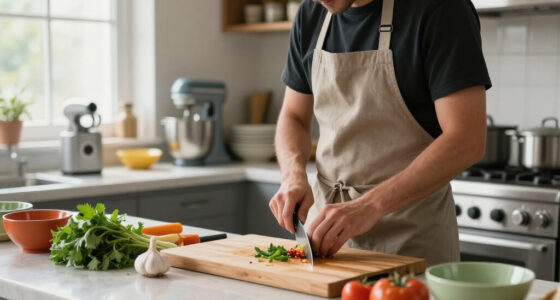
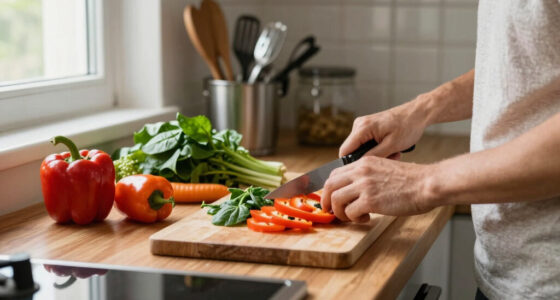
Proper prep is essential. Wash thoroughly, then cut into uniform pieces. For sauerkraut, shredding cabbage with a sharp knife or mandoline works best. For whole or sliced vegetables, keep sizes consistent for even fermentation.
Salt is your best friend here. Use about 2-3% of the vegetable’s weight. For 1 pound of cabbage, that’s roughly 1 to 1.5 tablespoons of non-iodized salt. Salt draws water out, creates an ideal environment, and keeps bad bacteria at bay.
Example: Weigh shredded cabbage, then mix it with salt thoroughly. Massage until it releases enough juice to submerge the pieces fully.
As an affiliate, we earn on qualifying purchases.
Choose Your Fermentation Vessel — Glass Jars, Crocks, and How to Keep Things Submerged
Pick a clean, food-grade jar or fermentation crock. Glass is best because it doesn’t react with acids. Ensure your container is spotless and free of residues.
The key to safe fermentation? Keep everything submerged under the brine. Use fermentation weights, a small jar, or a clean stone to hold vegetables below the liquid surface. This prevents mold and spoilage.
For example, in a quart jar, place the vegetables, add the brine, then top with a fermentation weight. Seal loosely or with a fermentation lid that allows gases to escape.
As an affiliate, we earn on qualifying purchases.
Create the Perfect Environment — Temperature, Time, and How to Know When It’s Done
Fermentation thrives between 65-75°F (18-24°C). Too warm speeds up fermentation, risking over-acidification; too cold, it stalls.
Time depends on your taste. Usually, 3 days to 4 weeks. Taste-test every few days: the vegetables should be tangy, crunchy, and flavorful. For example, a jar of kimchi might be ready in 1-2 weeks, depending on temperature.
Keep the jar in a dark corner, away from direct sunlight, and check daily. Remove any foam or scum that forms on the surface.
Understanding the environment is crucial because temperature influences not just how fast fermentation occurs but also the flavor profile. Higher temperatures can produce more sourness quickly but may also increase the risk of undesirable bacteria if not monitored. Conversely, cooler temperatures slow fermentation, leading to more subtle flavors and longer aging times. Balancing these factors ensures you get the flavor and safety you desire.
airtight glass jars for fermenting
As an affiliate, we earn on qualifying purchases.
As an affiliate, we earn on qualifying purchases.
Monitor and Keep It Safe — Spot Mold, Off-Odors, and When to Stop
Fermentation is generally safe if you follow proper steps. Check daily for mold or fuzzy growth — it appears as a white, green, or black film on the surface.
If mold appears, scoop it out immediately along with a small layer of vegetables underneath. If mold persists or covers a large area, discard the batch.
Off-odor? If it smells rotten or like something’s gone wrong, it’s safer to toss it. Trust your senses—your nose and eyes are your best tools.
Monitoring is vital because mold or off-odors indicate that the environment has become compromised. Removing small patches of mold is often sufficient, but persistent or widespread mold suggests contamination. Similarly, a sour smell is normal, but a rotten or foul odor means the batch has gone bad. Recognizing these signs early helps prevent health risks and ensures a successful fermentation process.
Store Your Fermented Vegetables Properly — How to Keep Them Fresh in the Fridge
Once your vegetables taste just right, transfer the jar to the fridge. Cold slows fermentation, preserving flavor and crunch for months.
Make sure the vegetables stay submerged and the lid is tight. The cool environment keeps acidity stable, preventing spoilage.
For example, a jar of homemade sauerkraut can last over 6 months in the fridge, gaining more tang as it ages.
Latest Trends and Tips for Better Fermentation
Recent trends include adding herbs, spices, or functional ingredients like turmeric and ginger to boost flavor and health benefits. Kits and starter cultures are also making fermentation more accessible for beginners.
Organic, local produce is gaining popularity, aligning with eco-conscious choices. And safety guidelines now emphasize proper hygiene and monitoring.
For instance, fermenting carrots with a splash of ginger creates a spicy, probiotic-rich snack that’s perfect for salads or snacking on.
Frequently Asked Questions
Is home fermentation safe?
Yes, when you follow proper hygiene, salt levels, and monitor for mold or off-odors, fermentation is safe. Trust your senses and discard suspicious batches.How long does it take to ferment vegetables?
Most vegetables ferment in 3 days to 4 weeks. Taste regularly to find your preferred level of tanginess and crunch.What equipment do I really need?
A clean glass jar, a weight or small jar to keep vegetables submerged, and a breathable lid or cloth. Specialized kits are optional but helpful for beginners.Can I ferment with no salt?
Salt is highly recommended to ensure safety and flavor. Low-salt or salt-free methods exist but require close monitoring to prevent spoilage.What if mold or an off smell appears?
Remove any mold immediately. If mold persists or the smell is rotten, discard the batch to avoid health risks.Conclusion
Fermentation is a simple art rooted in patience and attention. Keep your vegetables submerged, monitor their progress, and enjoy the tangy rewards of your labor. Every batch is a step toward a more self-reliant, flavor-rich kitchen—where wild microbes do the work for you.Halloween Picks
halloween
As an affiliate, we earn on qualifying purchases.