
TL;DR

Get kitchen gear delivered free with Prime
- Fast, free delivery on millions of items
- Prime Video, Amazon Music and more included
- Member-only deals all year
Power outages can last hours or days. Preparing with versatile tools, non-perishable foods, and alternative methods helps you cook safely and stay nourished. Planning ahead reduces stress and keeps your family safe.
Imagine this: the lights flicker, then go dark. No warning, just silence. Your fridge hums to a halt, and suddenly, your usual quick dinner plan is out the window. Power outages happen unexpectedly—storms, grid failures, or accidents—leaving you scrambling for a plan. But with some simple prep, you can turn chaos into calm, feeding your family without relying on electricity or gas. This guide walks you through building a reliable emergency cooking plan that keeps you safe, nourished, and ready for anything.
The goal? No panic, just practical steps. From choosing the right foods to using manual tools and outdoor options, you’ll learn how to stay warm, cook, and eat well—even in the dark.
Always stock non-perishable foods and manual tools for emergency cooking.
Choose versatile outdoor or solar cooking methods suited to your climate and space.
Prioritize safety: ventilate, keep flammable materials away, and never indoor-use grills or stoves indoors.
Manage perishable foods carefully—keep fridge doors closed and use coolers if needed.
Practice your emergency cooking plan regularly so it becomes second nature during a real outage.
What Basic Supplies Do You Need for Emergency Cooking?
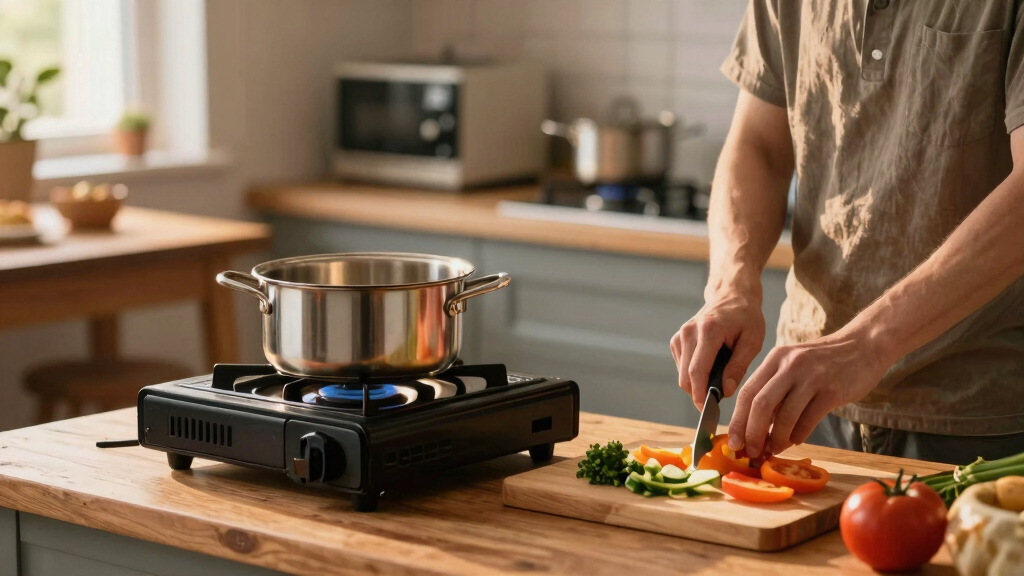
Start with the essentials: non-perishable foods, manual tools, and portable heat sources. Think canned beans, dried rice, energy bars, and dried fruits—foods that last months without refrigeration. These items are chosen not just for their long shelf life but also for their versatility in meal preparation. For instance, dried rice can be cooked over a camp stove or even rehydrated with minimal water, providing a filling base for many dishes. Pair these with a manual can opener, sturdy utensils, and a small camping stove or portable grill. Don’t forget fuel—propane, butane, or solid fuel tablets. These simple items form the backbone of your emergency kitchen, ready to serve when the power’s out. Having these supplies on hand means you’re prepared to cook nourishing meals without electricity, which is crucial during extended outages when grocery stores may be closed or stockpiled.
For example, a well-stocked kit might include a handful of canned soups, dried pasta, a portable gas stove, and a few fire-safe utensils. When storms roll in, you’ll be set to cook even without power, reducing stress and ensuring your family’s needs are met.
As an affiliate, we earn on qualifying purchases.
How to Choose the Right Alternative Cooking Methods
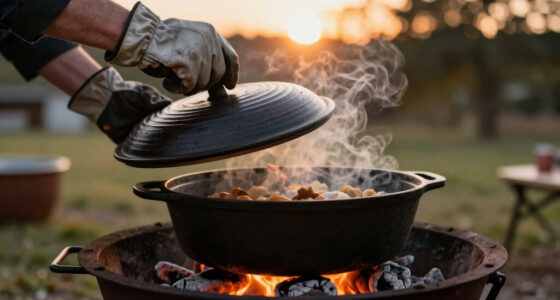
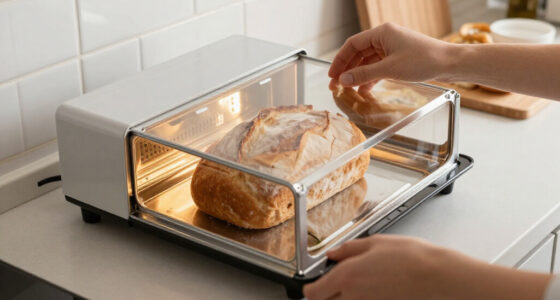
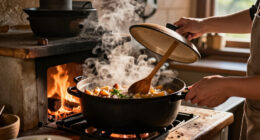
When the power cuts, your options expand beyond the kitchen appliances. Outdoor grills, camp stoves, and solar ovens are invaluable tools, but understanding their strengths and limitations helps you select the best method for your situation. For example, a camping stove fueled by propane provides quick, controllable heat and is suitable for boiling water or cooking meals in a short time, making it ideal for everyday emergency use. Solar ovens, on the other hand, harness sunlight to cook slowly, which means they’re most effective on sunny days but are excellent for baking bread or slow-cooking stews. Fire pits or open flames offer versatility but require safety precautions due to the risk of uncontrolled fires and smoke inhalation. Each method has tradeoffs: solar ovens need sunlight and take longer, camp stoves require fuel but are fast, and fire pits need space and safety measures. Choosing the right method depends on your climate, available space, and cooking needs. Incorporating multiple options ensures flexibility—if one method isn’t feasible due to weather or safety, another might be available. This diversity in cooking methods enhances your resilience during extended outages, allowing you to adapt as circumstances change.
As an affiliate, we earn on qualifying purchases.
Safety Tips for Using Alternative Heat Sources
Safety can’t be overstated when using alternative heat sources. The primary risk is carbon monoxide poisoning, which can occur when combustion devices are used indoors or in poorly ventilated spaces. Always operate outdoor or in well-ventilated areas, such as open yards or patios, to prevent dangerous buildup of fumes. Never use a grill or camp stove inside a garage, basement, or enclosed porch—these are hazardous environments. Keep flammable materials like paper, cloth, and dry leaves away from heat sources to prevent accidental fires. Have a fire extinguisher rated for grease and electrical fires nearby, and ensure everyone knows how to use it. When lighting a fire pit or stove, do so in a clear, open space, and never leave it unattended. These precautions are essential because a small oversight can lead to serious injury or death. For example, a friend once mistakenly used a propane grill inside her garage, thinking it was safe because she kept the door open. She quickly realized the danger and moved everything outside, underscoring the importance of strict safety measures. Proper safety practices turn a simple cooking activity into a secure and controlled process, giving you peace of mind during emergencies.
As an affiliate, we earn on qualifying purchases.
Managing Food Safety Without Power: Keep It Fresh
Power outages threaten your fridge and freezer, but understanding how to manage perishable foods can make the difference between safe consumption and foodborne illness. The key is to keep the doors closed as much as possible—each time you open the fridge or freezer, cold air escapes, raising the temperature inside and risking spoilage. Using coolers with ice packs helps maintain a cold environment for perishables like dairy, meats, and fresh produce, which are more vulnerable to bacteria growth when temperatures rise. Knowing which foods last longer without refrigeration is crucial: canned goods, dried foods, and hard cheeses are naturally shelf-stable and less susceptible to spoilage. Conversely, fresh dairy, meats, and cut fruits spoil quickly once the power is out. If your fridge is empty or malfunctioning, plan to consume or preserve perishable items early, or transfer them to a cooler with ice. In some cases, using a solar-powered refrigerator or freezer can extend safety windows, but these are less common. Staying vigilant about food safety during outages prevents illness—improper handling or delayed consumption of spoiled foods can lead to serious health risks. For instance, during a blackout, I transferred my milk and cheese into a cooler with ice, and by keeping the doors shut, I kept everything safe for two days, avoiding unnecessary trips to the store and reducing waste.
As an affiliate, we earn on qualifying purchases.
Frequently Asked Questions
What are the best foods to stockpile for emergency cooking?
Canned vegetables, beans, rice, pasta, dried fruits, nuts, and energy bars last long and are easy to prepare. Focus on foods that require minimal cooking and can be eaten cold if needed.
Can I safely use my outdoor grill or camp stove indoors?
No. Using grills or camp stoves indoors poses a serious carbon monoxide risk. Always operate these devices in well-ventilated outdoor areas.
How long can I keep food safely without power?
Most perishable foods last only a few hours to a day without refrigeration. Canned and dried foods are safe for much longer, making them ideal for emergencies.
What’s a quick emergency meal I can prepare without power?
Heated canned soups, instant noodles, or pre-cooked energy bars are fast, simple options. Use your camp stove or outdoor grill to heat liquids or foods as needed.
How often should I practice my emergency cooking plan?
At least once a year. Practice helps you remember how to operate your equipment safely and ensures everyone in your household knows their role during an outage.
Conclusion
Being prepared transforms a blackout from a crisis into a manageable challenge. With a handful of simple tools, some planning, and a dash of confidence, you can keep your family fed and safe—even in the dark. Think of it as turning your off-grid skills into a superpower for when it truly counts.
Next time the weather turns wild or the power flickers, remember: your best tool is your readiness. Keep your supplies stocked, your skills sharp, and your plan clear. That way, darkness doesn’t stand a chance.
Fall Picks
fall essentials
As an affiliate, we earn on qualifying purchases.