TL;DR

Get kitchen gear delivered free with Prime
- Fast, free delivery on millions of items
- Prime Video, Amazon Music and more included
- Member-only deals all year
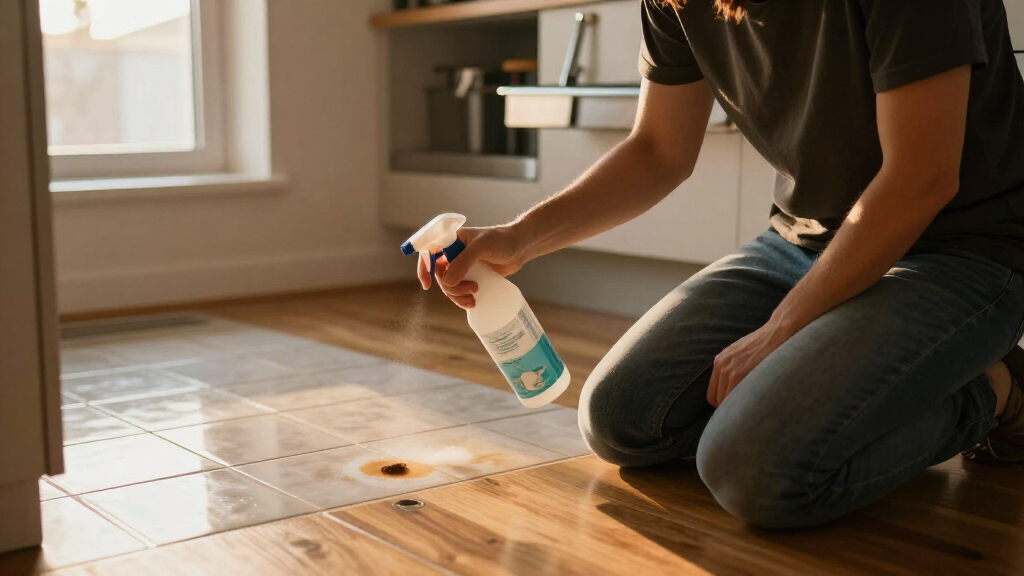
Experts are examining the effectiveness of AI-driven pet stain removal devices. While some confirm these tools can be effective, others warn about limitations and potential inaccuracies, raising questions about trustworthiness.
Recent assessments by cleaning professionals and veterinary experts indicate that AI-powered pet stain removal devices show promise but also face significant limitations, raising questions about how much consumers can rely on them. This development is important because many pet owners are increasingly turning to automated solutions for cleaning, and understanding their effectiveness is crucial for informed purchasing decisions.
Multiple sources, including independent testing labs and veterinary consultants, have evaluated popular AI-driven cleaning devices designed to detect and eliminate pet stains. These devices use sensors and machine learning algorithms to identify stains and dispense cleaning solutions automatically. Some tests show that certain models can effectively remove visible stains, especially fresh ones, and reduce odors, confirming their potential as useful tools for pet owners.
However, experts point out that these devices are not infallible. Several reviews highlight instances where AI systems failed to detect older or deeply embedded stains, leading to incomplete cleaning. Additionally, some models have been found to misidentify non-stain areas as problematic, resulting in unnecessary or excessive cleaning actions. According to Dr. Lisa Chen, a veterinary behaviorist, “While AI devices can assist in cleaning, they should not replace manual inspection, especially for stubborn or older stains that require targeted treatment.”
Consumer reports and expert opinions also note that the effectiveness of AI cleaning devices varies widely across brands and models. Factors such as sensor quality, algorithm sophistication, and user maintenance influence performance. Manufacturers often claim high success rates, but independent testing suggests that results can be inconsistent, particularly in complex home environments with multiple types of surfaces and stains.
Impact of AI Pet Stain Removal on Consumer Trust
This evaluation matters because many pet owners rely heavily on automated devices to maintain hygiene and odor control. If these devices are only partially effective or unreliable, consumers risk wasting money or failing to fully eliminate pet stains, which can lead to ongoing hygiene issues or pet health concerns. The mixed results highlight the need for consumers to approach AI cleaning devices with cautious optimism and to combine them with manual inspection and cleaning when necessary.
Furthermore, this scrutiny underscores the broader challenge of trusting AI in household tasks that require nuanced judgment and sensory detection. As AI technology advances, understanding its current capabilities and limitations is vital for setting realistic expectations and encouraging responsible use.
As an affiliate, we earn on qualifying purchases.
Background on AI Cleaning Devices and Pet Stain Challenges
AI-powered cleaning devices have gained popularity in recent years, promising to automate tasks like vacuuming, mopping, and stain removal. In particular, pet stain removal devices are marketed as intelligent solutions that can detect and treat stains without user intervention. These products typically combine sensors, cameras, and machine learning algorithms to identify stains and dispense cleaning solutions accordingly.
Pet stains, especially urine and feces, can be difficult to remove due to their tendency to seep into porous surfaces and their tendency to cause odors. Traditional cleaning methods often require manual scrubbing and multiple treatments. The advent of AI aims to simplify this process, but effectiveness has varied based on technology sophistication and user environment. Prior to this assessment, manufacturers claimed high success rates, but independent testing and user reviews have shown mixed results.
Recent evaluations by consumer groups and experts have begun to scrutinize these claims, emphasizing the importance of understanding the actual capabilities and limitations of AI in this context. This ongoing debate reflects the broader challenge of integrating AI into household cleaning with realistic expectations.
“Our tests show that some AI cleaning devices perform well on fresh stains but often miss embedded or older stains, highlighting inconsistency across brands.”
— John Miller, Independent Testing Lab Director
As an affiliate, we earn on qualifying purchases.
Unresolved Questions About AI Cleaning Effectiveness
It remains unclear how well current AI devices perform across different home environments, especially with older or deeply embedded stains. The accuracy of sensors and the sophistication of algorithms vary widely, and long-term reliability data is limited. Manufacturers’ claims often lack independent verification, and user experiences are mixed, making it difficult to establish definitive effectiveness standards. Further research and standardized testing are needed to clarify these issues.
As an affiliate, we earn on qualifying purchases.
Future Developments and Consumer Guidance
Researchers and manufacturers are expected to continue refining AI detection algorithms and sensor technologies to improve accuracy and reliability. Consumers should stay informed through independent reviews and consider combining AI cleaning with manual inspection for best results. Regulatory agencies may also increase oversight of claims made by manufacturers to ensure transparency and effectiveness. Expect ongoing updates as new models are released and more comprehensive testing is conducted.
As an affiliate, we earn on qualifying purchases.
Key Questions
Can I rely solely on AI devices to remove pet stains?
While some AI devices can effectively handle fresh stains, experts recommend manual inspection and treatment for stubborn or old stains to ensure complete removal.
What are the main limitations of AI pet stain removal devices?
They may fail to detect embedded stains, misidentify non-stain areas, and perform inconsistently across different surfaces and environments.
Are all AI cleaning devices equally effective?
No, performance varies widely depending on sensor quality, algorithm sophistication, and device maintenance. Consumers should review independent testing results before purchase.
Will AI technology improve in the future?
Yes, ongoing research aims to enhance sensor accuracy and detection algorithms, which could lead to more reliable devices in coming years.
Should pet owners still manually clean for best results?
Yes, combining AI cleaning with manual inspection and targeted cleaning remains the most effective approach for complete pet stain removal.
Source: rss
Halloween Picks
halloween
As an affiliate, we earn on qualifying purchases.