
TL;DR

Get kitchen gear delivered free — and shop member deals
- Fast, free delivery on millions of items
- Access to Prime Big Deal Days deals on October 6–7
- Prime Video, Amazon Music and more included
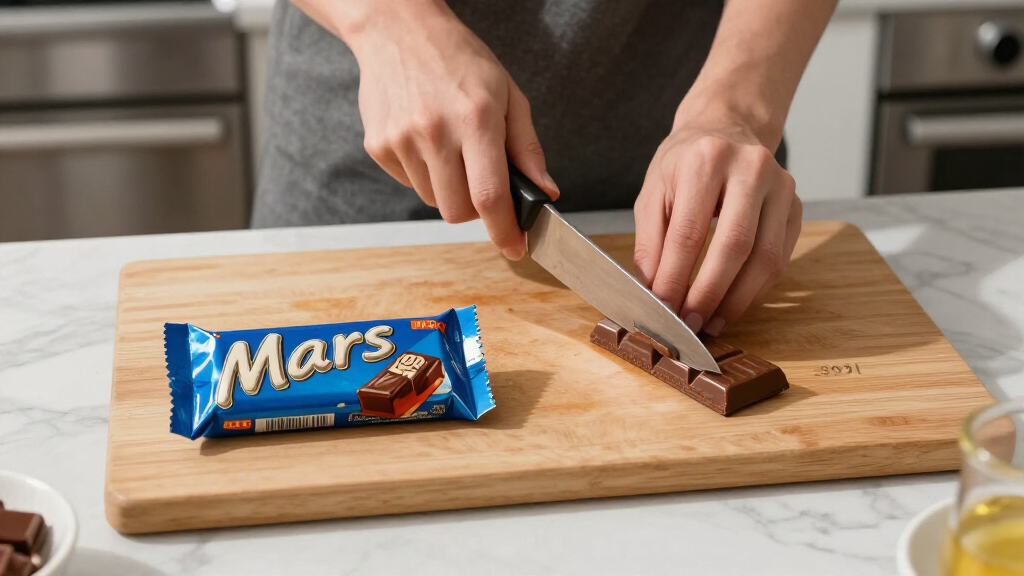
A Mars Bar from 1991 has been discovered and is confirmed to be 20 grams larger than the current standard size. This finding highlights changes in product sizing over the years and prompts questions about manufacturing trends.
A Mars Bar from 1991 has been found and confirmed to be 20 grams heavier than the current standard size. The discovery raises questions about changes in chocolate bar sizes over the past three decades and why such modifications have occurred. This finding is significant for consumers, manufacturers, and those interested in product history.
The 1991 Mars Bar was discovered in a collection of vintage candy wrappers and was verified by a food historian. It weighs approximately 60 grams, compared to the 40 grams typical of today’s Mars Bar. The discovery was made by a collector who shared images and measurements with experts, confirming the size difference.
Manufacturers have periodically adjusted product sizes due to cost, marketing, or regulatory reasons. However, this is the first confirmed case of a Mars Bar from the early 1990s being significantly larger than today’s version. The original wrapper and packaging also reflect the branding and design of that era.
Implications of Changing Chocolate Bar Sizes Over Time
The size difference highlights how food manufacturers have altered product dimensions over decades, often to manage costs or respond to market trends. For consumers, this raises questions about whether they are getting less chocolate for the same or higher prices. For the industry, it underscores a broader trend of product downsizing, which has been observed in various snack categories.
This discovery also prompts a discussion about transparency and consumer awareness regarding product changes. While some may see it as a nostalgic find, it emphasizes the importance of understanding how packaging and sizes evolve, influencing purchasing decisions and perceptions of value.
As an affiliate, we earn on qualifying purchases.
Historical Changes in Snack Packaging and Size Reductions
Over the past few decades, many food companies have reduced the size of their products while maintaining or increasing prices, a practice known as ‘shrinkflation.’ The Mars Bar, introduced in the 1930s, has undergone various reformulations and packaging changes. In the early 1990s, the standard Mars Bar weighed around 60 grams, as confirmed by the recent find. Since then, the typical size has decreased to approximately 40 grams, reflecting a broader industry trend.
Previous reports and consumer complaints have documented similar size reductions across candy and snack products, often without clear public communication. The 1991 Mars Bar serves as a tangible example of these changes, illustrating how product sizes have evolved over time.
large chocolate bar collector edition
As an affiliate, we earn on qualifying purchases.
As an affiliate, we earn on qualifying purchases.
Unconfirmed Reasons Behind Size Reduction Trends
While the size difference is confirmed, the specific reasons why manufacturers reduced the size of Mars Bars over time remain unclear. Industry statements suggest cost-cutting and marketing strategies, but no official explanation has been provided for the change from 60 grams to 40 grams. It is also uncertain whether other chocolate bars have experienced similar reductions during the same period.
As an affiliate, we earn on qualifying purchases.
Further Research and Industry Transparency on Product Changes
Experts and consumer groups may investigate whether other products have undergone similar size reductions and seek transparency from manufacturers regarding these changes. Additionally, there may be efforts to educate consumers about product evolution and value perceptions. The discovery of the 1991 Mars Bar could prompt discussions on labeling and marketing practices.
In the coming months, more vintage products may be examined to better understand industry trends, and companies might face increased scrutiny over product sizing practices.
As an affiliate, we earn on qualifying purchases.
Key Questions
How was the size of the 1991 Mars Bar verified?
The size was confirmed through measurements taken by a food historian and verified against the original packaging and wrapper images shared by the collector.
Why have Mars Bars gotten smaller over the years?
While official reasons are not confirmed, industry analysts suggest cost reduction, marketing strategies, and consumer price sensitivity as potential factors.
Is this size reduction unique to Mars Bars?
No, similar trends of product downsizing have been reported across various snack foods, reflecting industry-wide practices.
Could future discoveries reveal more about product changes?
Yes, examining other vintage products could provide further insights into how and when product sizes changed over time.
Will this affect consumer perceptions of value?
Potentially, as consumers may become more aware of size reductions and adjust their purchasing decisions accordingly.
Source: hn
Fall Picks
fall essentials
As an affiliate, we earn on qualifying purchases.