
TL;DR

Get kitchen gear delivered free with Prime
- Fast, free delivery on millions of items
- Prime Video, Amazon Music and more included
- Member-only deals all year
Certain foods like white rice, honey, and freeze-dried items last 20-30 years if stored properly. Good packaging, cool dark conditions, and regular rotation keep your food fresh and ready for years of use.
White rice and honey are among the longest-lasting foods, with shelf lives up to 30 years under proper conditions.
Airtight packaging with oxygen absorbers and a cool, dark storage space dramatically extend food longevity.
Regularly checking and rotating your stored foods prevents waste and keeps your emergency pantry reliable.
Dehydrated and freeze-dried foods preserve most nutrients for decades, making them ideal for preparedness.
Canned foods are convenient but have shorter shelf lives and are more sensitive to storage conditions.
Foods That Truly Stand the Test of Time
Not all foods are created equal when it comes to longevity. The best long-term storage staples have low moisture, high sugar or fat content, or are dehydrated, which inherently resist spoilage. For example, white rice can last 25-30 years if kept in airtight, cool conditions because its low moisture content prevents microbial growth, and it’s resistant to pests. Honey is almost indefinite because of its natural preservatives—its low moisture and high acidity inhibit bacteria and mold. Dried beans and lentils typically last 10-15 years, but only if they’re kept dry, sealed tightly, and protected from pests; otherwise, they can develop mold or lose their ability to cook properly. Freeze-dried fruits and meats often reach 25-30 years without significant nutrient loss, provided the packaging keeps out moisture and oxygen, which are primary culprits in degradation. These foods matter because they form the backbone of a resilient emergency food supply, offering dependable nutrition over decades. The tradeoff is that some, like dried beans, require longer cooking times or pre-soaking, which might be inconvenient during an emergency, but their durability makes them invaluable.
Understanding the properties that give these foods their long shelf life is key. For example, dehydration removes moisture that bacteria and mold need to grow, while airtight packaging prevents exposure to oxygen and pests. Recognizing these principles helps you choose and prepare your storage items wisely, ensuring they last for decades without spoilage.
Imagine a scenario where you need emergency food after 20 years. You open a sealed Mylar bag of rice from the 1990s — it’s still fluffy, unbroken, and smells fresh. That’s the durability of proper storage, and understanding which foods can withstand the test of time allows you to plan more effectively, avoiding the disappointment of spoiled or unusable supplies when you need them most.
As an affiliate, we earn on qualifying purchases.
How to Pack Your Food to Last Decades
- Use Mylar bags with oxygen absorbers for grains and dehydrated foods. These create a barrier against moisture and oxygen, which are the main causes of spoilage and nutrient loss. Proper sealing prevents pests and mold, ensuring the food remains stable for decades. The tradeoff is that if not sealed correctly, moisture can seep in, accelerating deterioration.
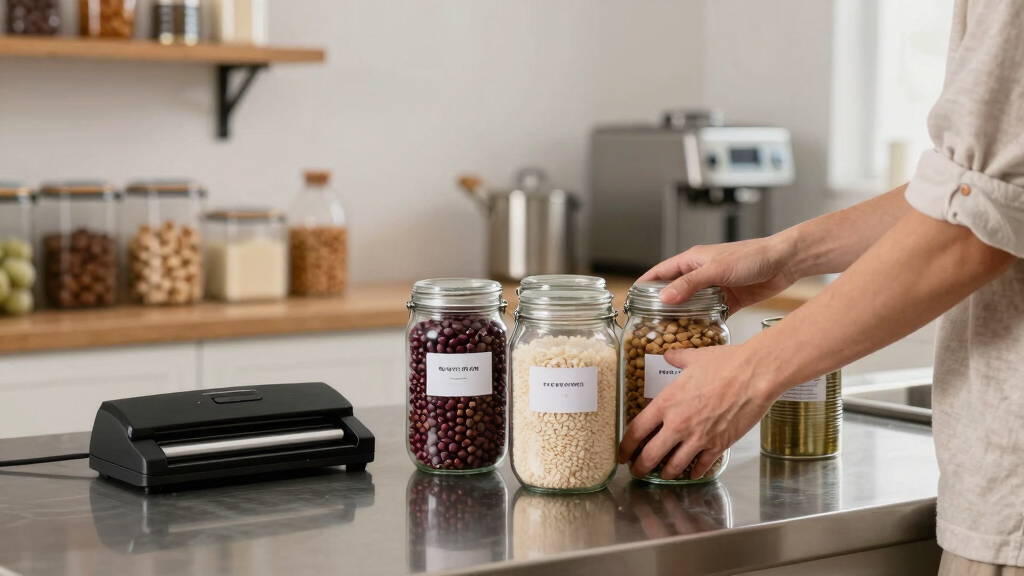
- Vacuum sealing extends shelf life for dried goods and powders by removing air, which contains oxygen that promotes oxidation and mold growth. This method is effective but must be combined with airtight storage in cool, dark places for optimal results. If vacuum seals are broken or punctured, the food’s shelf life diminishes rapidly.
- Store canned foods in a cool, dark, dry place. Fluctuating temperatures can weaken seals and cause expansion or contraction, leading to potential spoilage or leaks. Light and heat accelerate nutrient degradation and can cause can corrosion or swelling, which compromises safety. Choosing a stable environment reduces these risks and prolongs shelf life.
- Keep foods at temperatures below 70°F — the cooler, the better. High heat speeds up chemical reactions, causing fats to go rancid and vitamins to break down. Consistent cool temperatures slow these processes, maintaining nutritional value and safety. If you live in a warmer climate, investing in climate-controlled storage is worthwhile.
- Regularly check your stored food, and rotate older supplies to the front. Aim for a 1-2 year rotation to prevent waste and ensure freshness. This practice allows you to identify potential issues early, such as pests or spoilage, and replace compromised items before they become unusable. It also helps you stay familiar with your stock, making it easier to plan meals and avoid unnecessary waste.
For example, a family storing rice in airtight buckets with oxygen absorbers in a basement reports their supply lasts over 20 years, with no signs of spoilage. This demonstrates how proper packing and maintenance can extend shelf life beyond typical expectations, underscoring the importance of good storage practices for long-term preparedness.
As an affiliate, we earn on qualifying purchases.
Planning Your Long-Term Food Storage Strategy
Developing an effective long-term food storage plan requires a systematic approach. First, assess your family’s nutritional needs and the amount of food required to sustain everyone for an extended period. This helps determine the types and quantities of foods to store. Next, diversify your stockpile with a mix of staples like rice, beans, dried fruits, and freeze-dried meats to ensure balanced nutrition and reduce risk.
Once you’ve selected your foods, focus on proper packaging methods—using Mylar bags with oxygen absorbers, vacuum sealing, and sturdy containers—to maximize shelf life. Store these in a cool, dark, dry environment, such as a basement or climate-controlled pantry. Regularly check your inventory, and implement a rotation system to use older supplies first, replenishing as needed. This ongoing process helps maintain freshness, prevents waste, and ensures your emergency pantry remains reliable over the years.
By establishing a routine and understanding the principles behind long-term preservation, you can build a resilient supply that provides peace of mind during emergencies. Remember, a well-planned strategy isn’t just about stockpiling; it’s about maintaining and managing your supplies intelligently so they’re ready when needed.
As an affiliate, we earn on qualifying purchases.
Frequently Asked Questions
Can I store fresh produce long-term?
Fresh produce isn’t suited for long-term storage. Instead, focus on dehydrated, canned, or freeze-dried foods. They last years longer and retain most of their nutritional value.What’s the best way to store grains like rice and oats?
Store grains in airtight Mylar bags with oxygen absorbers, in a cool, dark place. Avoid humidity and temperature fluctuations to maximize shelf life.Is vacuum sealing better than canning for long-term storage?
Vacuum sealing is excellent for dried foods and powders, extending shelf life significantly. Canning is good for liquids and high-acid foods but may degrade faster if seals weaken or if stored improperly. Both methods have their advantages, but combining them with good storage conditions yields the best results.How do I know if my stored food is still good?
Check for off smells, discoloration, or mold. Properly stored foods should look and smell as they did when fresh. If in doubt, discard and replace, because consuming spoiled food can be unsafe and defeat the purpose of preparedness.As an affiliate, we earn on qualifying purchases.
Conclusion
Building a dependable long-term food supply isn’t about stockpiling everything. It’s about choosing the right staples, packing them smartly, and maintaining your stash. When stored properly, foods like rice, honey, and freeze-dried items can stand the test of time, ready to serve you when you need them most. Keep your pantry simple, your storage conditions stable, and your rotation regular — your future self will thank you.Halloween Picks
halloween
As an affiliate, we earn on qualifying purchases.