TL;DR
Solar cooking harnesses sunlight to prepare food, offering eco-friendly benefits. It’s great for slow cooking and boiling but struggles on cloudy days and with high-heat tasks like frying. Its success depends on weather, food type, and equipment quality.
Solar cooking taps into the sun’s endless energy to prepare meals, making it a compelling choice for off-grid living and eco-conscious households.
But while it sounds perfect in theory—no fuel costs, no emissions—it’s not a magic bullet. It works well in certain conditions and for specific tasks. Knowing what solar cooking can do—and what it can’t—prevents frustration and helps you use it wisely.
How Solar Cookers Do Their Magic (And What They Can’t Do)
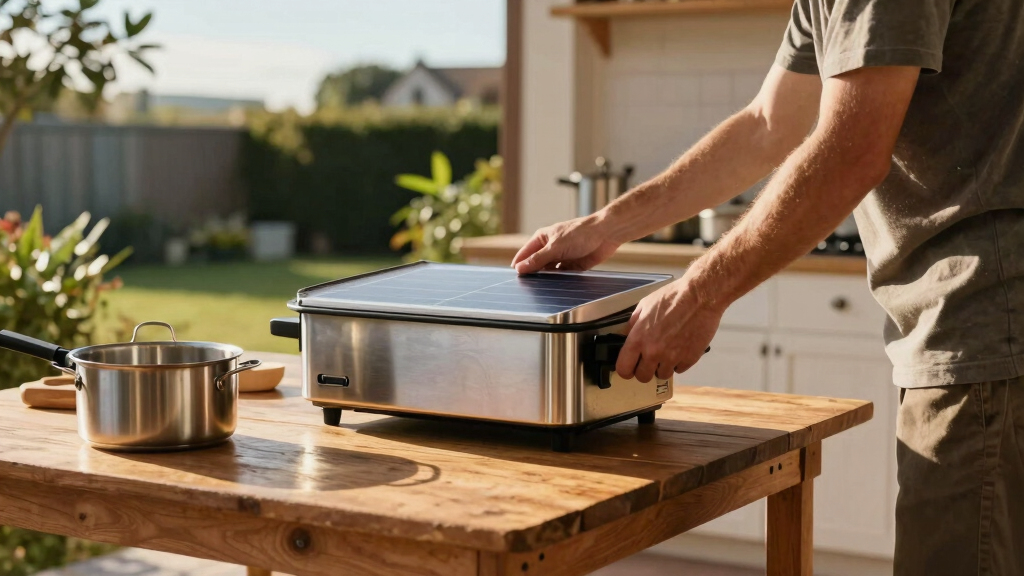
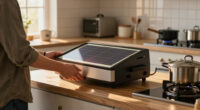
Solar cookers turn sunlight into heat by focusing or trapping rays. They’re great for slow simmering, baking bread, or boiling water during bright, sunny days. Types include box cookers, panel cookers, and parabolic models. But they depend heavily on the weather—clouds, rain, or even heavy haze cut their power.
For example, a box cooker in a clear summer afternoon can reach 300°F, enough to cook rice or stew. However, on a cloudy day, the temperature might stay below 200°F, making cooking slow or impossible. This variability impacts the types of foods you can prepare and the consistency of results. If you’re planning to rely on solar cooking regularly, understanding these weather-dependent fluctuations is crucial. It means you might need backup methods or flexible meal planning, especially during seasons with frequent overcast skies. The tradeoff is simplicity and sustainability versus predictability and speed—solar cooking excels in low-impact, leisurely meal prep but isn’t suited for quick, high-heat cooking needs.
Limitations include:
- Weather dependence
- Slow cooking times, which can extend meal prep hours
- Limited capacity—small batches only, which might not meet larger family needs
- Not suited for frying, searing, or deep-frying, as these require consistently high temperatures that are difficult to achieve without specialized equipment
Understanding these limitations is important because it influences how you plan your meals. For instance, relying solely on solar cooking might mean preparing hearty stews or boiling water for tea rather than trying to fry foods or bake bread quickly. Recognizing these constraints helps set realistic expectations and encourages you to combine solar cooking with other methods for a balanced approach.
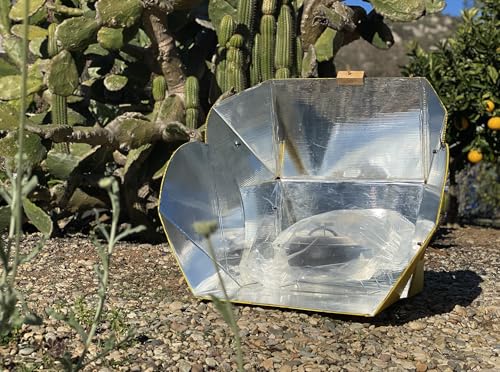
SolCook All Season Solar Cooker – Camping Cookware, Fruit & Food Dehydrator, Camp Stove, Fruit Canning Supplies, Camping Gear, Survival Gear, Emergency Supplies, (17) Camper
ECO-FRIENDLY & EFFICIENT – Save money on fuel by harnessing the power of the sun to cook delicious…
As an affiliate, we earn on qualifying purchases.
As an affiliate, we earn on qualifying purchases.
The Latest in Solar Cooking: What’s New and Better
Modern solar cookers are evolving fast. New materials like reflective films and insulating panels boost efficiency, which means faster heating and better performance in less-than-ideal conditions. Portable, foldable models make solar cooking more accessible—think lightweight, backpack-friendly designs for camping or off-grid adventures. These advancements reduce the barrier to entry, making solar cooking viable for more people and situations.
Hybrid systems combine solar with traditional fuels, providing a safety net for cloudy days or high-heat cooking. This flexibility can be a game-changer, especially in regions with unpredictable weather. Community programs in developing regions leverage solar cookers to reduce deforestation and indoor smoke, demonstrating their social and environmental impact. These initiatives show that improvements in design and integration can enhance both individual and collective benefits, expanding the potential applications of solar cooking beyond simple backyard use.
Innovation doesn’t stop—digital sensors now monitor temperature, letting you track progress without opening the lid and losing precious heat. These smart features improve user experience and efficiency, making solar cooking more precise and less guesswork-based—crucial for delicate dishes or safety considerations.
Additionally, research is ongoing to develop solar cookers that can operate more effectively on cloudy days or in lower sunlight conditions, broadening their usability. These innovations aim to address the core limitations of weather dependency, making solar cooking a more reliable option year-round.

MrMapMax Solar Oven Portable Oven-4.5L Large Capacity Solar Cooker Outdoor Oven Camping Stove with Thermometer For 2-3 People Backpacking Hiking Family Party
【The Latest Solar Oven】The solar cooker is designed to work in all seasons as long as the sun…
As an affiliate, we earn on qualifying purchases.
As an affiliate, we earn on qualifying purchases.
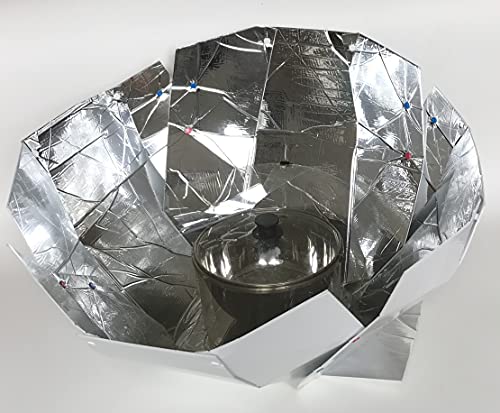
Haines 2.0 SunUp Solar Cooker and Dutch Oven Kit
Top Ranked Solar Cooker
As an affiliate, we earn on qualifying purchases.
As an affiliate, we earn on qualifying purchases.
Haines 2.0 SunUp Solar Cooker and Dutch Oven Kit
Top Ranked Solar Cooker
As an affiliate, we earn on qualifying purchases.
As an affiliate, we earn on qualifying purchases.