
TL;DR

Get kitchen gear delivered free — and shop member deals
- Fast, free delivery on millions of items
- Access to Prime Big Deal Days deals on October 6–7
- Prime Video, Amazon Music and more included
A Moka pot brews strong, espresso-style coffee using steam pressure. Proper setup, grind size, and maintenance unlock its full flavor potential in your kitchen.
Imagine waking up to the rich aroma of freshly brewed espresso, but without the fancy machine. That’s the charm of a Moka pot. Simple, durable, and surprisingly versatile, it’s a tool that turns basic ingredients into a bold cup of coffee.
Whether you’re off-grid, want to cut back on electronics, or just love the process of manual brewing, mastering the Moka pot adds a new layer of skill and flavor to your mornings. In this guide, you’ll learn the ins and outs—what makes it tick, how to get the best results, and how to keep it running for years to come.
Use a medium-fine grind, similar to table salt, for optimal extraction.
Control your heat—moderate warmth prevents burnt flavors and leaks.
Regularly clean your Moka pot to maintain flavor and longevity.
Choose stainless steel for durability and induction compatibility, but aluminum is cheaper and heats faster.
Select the right size to match your coffee habits—bigger isn’t always better.
What Is a Moka Pot? Why It’s Your New Coffee Buddy
A Moka pot is a stovetop coffee maker that uses steam pressure to brew a bold, espresso-like coffee. It’s made of three main parts: the bottom chamber (water reservoir), the middle filter funnel (coffee basket), and the top chamber (collects brewed coffee). When heated, water vapor creates pressure, forcing hot water through the coffee grounds and up into the top chamber.
Imagine a small, shiny aluminum or stainless steel device that sounds like a bubbling cauldron when it’s working. It’s a straightforward design, but it packs a punch—delivering rich flavors without electricity or fancy gadgets.
As an affiliate, we earn on qualifying purchases.
How to Set Up Your Moka Pot for Perfect Coffee
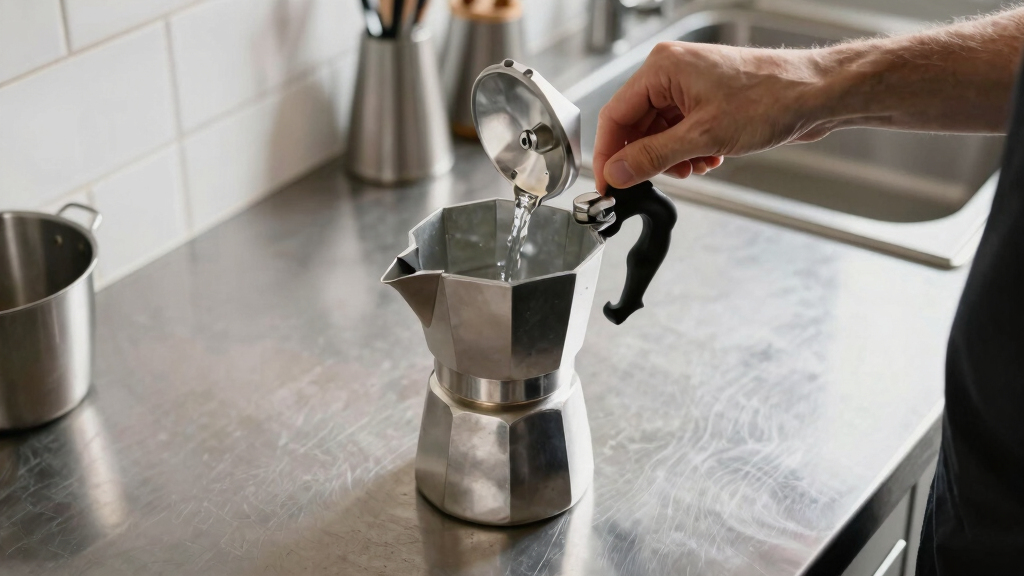
- Fill the bottom chamber with cold water up to the safety valve—no more.
- Insert a medium-fine grind coffee into the filter basket—think coarse table salt. This grind strikes a balance between extraction speed and flavor clarity, preventing under-extraction or clogging.
- Screw the top chamber on firmly, but don’t overtighten. The proper tension ensures a good seal, which is crucial for building pressure and preventing leaks.
- Place it on a stovetop set to medium heat—watch for the bubbling start.
As an affiliate, we earn on qualifying purchases.
Brewing Tips for Richer, Fuller Coffee
- Use fresh, high-quality coffee—avoid oily beans that clog filters. Freshness preserves nuanced flavors, while oily beans can lead to bitter or inconsistent extraction due to clogging or uneven flow. The oils can also turn rancid over time, impairing flavor and potentially causing buildup inside your device, which affects both taste and function.
- Adjust grind size if your coffee leaks or doesn’t fill the chamber properly. A slightly finer grind increases extraction efficiency, but too fine can cause pressure buildup or clogging, leading to leaks or over-extraction. Finding the right grind is a balancing act—too coarse results in weak coffee, too fine can cause dangerous pressure buildup, risking leaks or even damage to the pot. Experimentation and adjustment are part of mastering the process, as different beans and stoves may require slight tweaks.
- Start with moderate heat—too hot can burn the coffee and create a metallic taste, while too low prolongs brewing, risking under-extraction and weak flavor. Controlled heat ensures a balanced extraction, capturing the coffee’s full range of aromas and flavors. The heat level directly influences the extraction rate; too high, and you risk scorching the grounds or causing bitter flavors; too low, and you may get underdeveloped, weak coffee. Learning your stove’s heat response and adjusting accordingly will give you more consistent results.
- Pre-warm the water for quicker extraction and better flavor. Using warm water reduces the time the coffee grounds are exposed to heat, minimizing bitterness and ensuring a more balanced cup. This step is especially helpful if you’re brewing in colder environments or want a faster brew. It also reduces the risk of over-extraction, as the water reaches the ideal brewing temperature more quickly, preserving delicate aromatics and preventing the metallic aftertaste that can develop with prolonged heat exposure.
As an affiliate, we earn on qualifying purchases.
Cleaning and Maintaining Your Moka Pot — Keep It Brewing Strong
After each use, rinse all parts with warm water—no soap on aluminum models to prevent discoloration. Remove mineral deposits by soaking the parts in a mixture of vinegar and water every few months. Regular cleaning removes residual coffee oils and mineral buildup that can affect flavor and cause blockages, ensuring your brew remains vibrant and your device lasts longer. Proper cleaning not only maintains the aesthetic appeal but also preserves the integrity of the materials, preventing corrosion or warping that can compromise safety and performance over time.
Imagine the satisfying feel of a shiny, well-maintained device that brews reliably, cup after cup. Regular upkeep is the secret to consistent, flavorful coffee, preventing the development of bitter or metallic tastes and maintaining the integrity of your equipment over time. Neglecting cleaning can lead to buildup that impairs water flow, causes leaks, or results in off-flavors, ultimately diminishing your brewing experience. Investing a few minutes into maintenance ensures that each brew is as good as the first.
As an affiliate, we earn on qualifying purchases.
Recent Innovations Making Moka Brews Better
Newer models feature thicker stainless steel for durability and induction compatibility. Safety valves have improved to prevent over-pressurization, and ergonomic handles make pouring safer. Some brewers experiment with pre-warmed water or custom grind blends to tweak flavor profiles.
Picture a sleek, modern Moka pot that feels solid in your hand and heats evenly. These innovations make brewing easier, safer, and more enjoyable, allowing you to fine-tune your process and achieve consistent results with less effort. The enhancements also extend the lifespan of your device, making it a worthwhile investment for coffee enthusiasts. These advancements mean you can troubleshoot issues more easily, customize your brewing experience, and enjoy a more durable, safer device that maintains optimal performance over years of use.
Compare Aluminum vs. Stainless Steel Moka Pots
| Feature | Aluminum Moka Pots | Stainless Steel Moka Pots |
|---|---|---|
| Durability | Less durable, prone to dents and discoloration over time, especially with frequent use or rough handling. Aluminum can corrode or warp if not cared for properly, which may compromise the seal and safety. | Highly durable, resistant to corrosion, dents, and warping. Stainless steel maintains its appearance longer and withstands more rigorous cleaning, making it suitable for daily use and long-term investment. |
| Heat Conductivity | Excellent heat transfer, heats quickly, which can be advantageous for speed but may require careful temperature control to avoid scorching the coffee. | Heats evenly but slightly slower due to material properties. This slower, more uniform heat can help prevent hot spots, leading to a more consistent extraction and flavor profile. |
| Compatibility | Not induction safe unless specifically designed with a magnetic base. For gas or electric stovetops, aluminum works well but limits versatility. | Induction compatible, making it suitable for modern kitchens with induction cooktops. This expands usability and convenience. |
| Cost | Usually cheaper, making it accessible for beginners or those on a budget. However, it may require more careful handling to maintain performance. | More expensive but longer-lasting, offering better value over time through durability and performance. The initial investment often pays off in consistent quality and less replacement. |
Troubleshooting Common Moka Pot Woes
If your Moka leaks or burns, it’s usually due to improper grind size, too high heat, or overfilling. Leaks happen when the seal isn’t tight enough, so check the gasket and screw the top on securely. If you notice a burnt taste, reduce the heat or clean mineral deposits. Burnt flavors often result from prolonged exposure to excessive heat or residue buildup, which can impart a bitter or metallic taste. Ensuring proper assembly and regular cleaning prevents these issues and preserves the purity of your brew. Recognizing these signs early allows you to address the root cause, whether it’s adjusting your grind, heat, or cleaning routine, leading to more consistent and enjoyable coffee experience.
Imagine fixing a stubborn leak or a bitter brew—each fix brings you closer to that perfect, satisfying cup every morning. Developing an understanding of these common issues helps you troubleshoot effectively, saving time and improving your overall coffee experience.
Picking the Right Size Moka Pot for Your Coffee Habit
Sizes range from 1-cup to 12-cup models—think about how much coffee you drink daily. A 3-cup model is perfect for one person, providing a concentrated shot without waste. A 6-cup suits a small household or those who enjoy sharing. Larger sizes can be great for entertaining, but they may take longer to brew and require more attention to temperature control to prevent over-extraction. Choosing the right size involves balancing your daily consumption with your patience for brewing time and cleaning. Picking a size that matches your actual coffee needs prevents waste, saves time, and ensures you enjoy your brew at its peak flavor, rather than rushing or compromising on quality due to over-sized equipment.
Visualize your morning routine and select a size that matches your coffee needs without wastage or waiting. A well-matched size ensures efficiency, preserves flavor, and makes your brewing process more satisfying.
Can You Use Flavored or Oily Coffee Beans?
Oily beans tend to clog the filter, leading to poor extraction, leaks, or inconsistent brewing. It’s best to use dry, medium-fine, fresh coffee beans for clear, bold flavor. Flavored beans might leave residues that can affect subsequent brews, so thorough cleaning is recommended if you experiment with different profiles. Using oily or heavily flavored beans can also mask the true character of your coffee, preventing you from fully appreciating the nuances of different roasts. For consistent results, stick to unflavored, medium-dry beans and clean your Moka pot regularly to avoid buildup. Choosing beans with minimal surface oils helps ensure a clean extraction, preserving the clarity and complexity of your brew, and reduces maintenance time caused by residue buildup.
Picture the crisp, clean taste of a well-pulled shot, free from oily aftertastes—your best bet for consistent quality. Proper bean selection and maintenance are key to unlocking the full potential of your brewing process and enjoying a pure, satisfying cup every time.
Frequently Asked Questions
How do I prevent my Moka pot from leaking or burning?
Use the correct medium-fine grind, don’t overfill with water or coffee, and keep the heat moderate. Regularly check the gasket and screw the top on tightly before heating.Can I make other types of coffee with a Moka pot?
While mainly for espresso-like brews, some users experiment with stronger drip-style coffee or adjusting grind size for different flavors. It’s versatile within its design limits.Is it safe to use aluminum Moka pots?
Yes, but some prefer stainless steel for durability and induction compatibility. Aluminum requires careful cleaning to avoid discoloration and mineral buildup.How should I clean my Moka pot?
Rinse with warm water after each brew—avoid soap on aluminum models. For mineral deposits, soak parts in vinegar or citric acid solution periodically.What size Moka pot is best for me?
Sizes range from 1 to 12 cups. Pick based on how much coffee you need daily—a single shot or enough for guests—so you brew exactly what’s needed.Conclusion
Mastering the Moka pot turns a simple stovetop into a ritual of rich, bold coffee. It’s about patience, attention, and a bit of tinkering—qualities that reward you with flavor every time.
Think of your Moka as a trusty partner in the kitchen, ready to brew a shot of espresso that’s full of character. A little practice and care turn this humble device into a lifelong favorite—your own handcrafted espresso, anytime.
Fall Picks
fall essentials
As an affiliate, we earn on qualifying purchases.