
TL;DR

Get kitchen gear delivered free — and shop member deals
- Fast, free delivery on millions of items
- Access to Prime Big Deal Days deals on October 6–7
- Prime Video, Amazon Music and more included
Coffee roast level shapes flavor, aroma, and brewing dynamics. Lighter roasts preserve origin character, darker roasts offer boldness. Understanding these differences helps you brew better coffee at home.
Ever wondered why your morning brew tastes different depending on the beans you buy? It’s not just about the origin — the roast level plays a huge role in shaping flavor, aroma, and how you should brew. Whether you prefer bright, fruity notes or a smoky, intense cup, understanding coffee roasts helps you make smarter choices and get the most out of your beans.
This guide breaks down the main roast levels, how they influence taste, and what to consider when roasting or selecting beans for your favorite brewing method. Get ready to turn your kitchen into a craft coffee lab — with manual tools, of course.
Roast level dramatically influences flavor, aroma, and brewing compatibility.
Light roasts preserve origin-specific flavors but may require finer grind and longer extraction.
Dark roasts are bold and smoky, suited for robust brewing methods like espresso and French press.
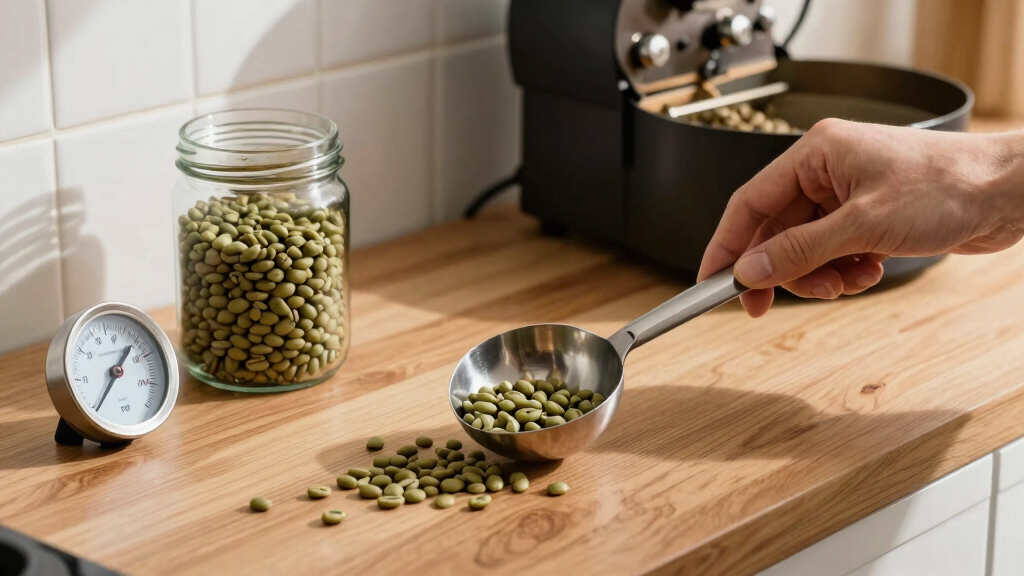
Home roasting lets you customize profiles, but requires control over heat and timing.
Freshness impacts flavor; store beans airtight and use within a month of roasting.
What Do Roast Levels Really Mean — And How They Change Your Coffee
Roast levels are about how long and how hot your coffee beans get during roasting. Think of it as a spectrum from pale to dark. Light roasts are roasted just to the point before the second crack, keeping most of the bean’s original flavors intact. They’re bright, tangy, and often floral or fruity — perfect if you love tasting the bean’s true character.
Mid-range roasts, like City or American roasts, hit a balance. They bring out caramel and nutty notes, with a bit of brightness still shining through. Dark roasts go beyond the second crack, developing smoky, bitter tones with oils visible on the surface. They’re bold, sometimes almost charred, and suited for those who prefer a punchy cup.
Understanding the implications of these levels helps you choose beans that align with your taste preferences and brewing style. For instance, light roasts preserve the unique characteristics of the coffee’s origin, which can be a double-edged sword: they require more precise brewing techniques to extract their delicate flavors without under-extraction, which can lead to sourness. Conversely, darker roasts are more forgiving—they tend to mask subtle origin traits with their bold, smoky notes, making them ideal for quick, consistent brewing. Recognizing this tradeoff allows you to tailor your coffee experience—whether you prioritize complexity or convenience.
As an affiliate, we earn on qualifying purchases.
How Roast Level Shapes Your Brewing and Tasting Experience
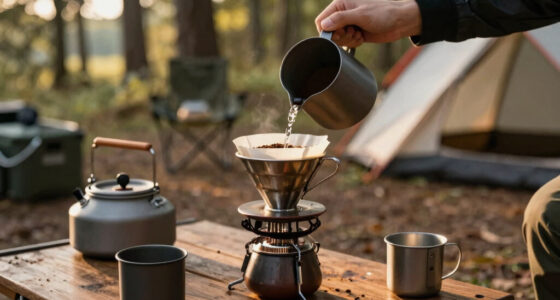
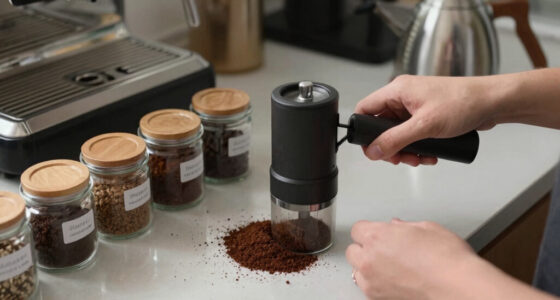
The level of roast influences every step of your brewing process, from grind size to extraction time, and ultimately, your flavor perception. Light roasts are more delicate; their subtle flavors and higher acidity mean they need a finer grind and longer extraction times to unlock their full potential. This often requires precise control during brewing methods like pour-over or AeroPress, where over-extraction can easily cause sourness or bitterness if not managed carefully.
Dark roasts, on the other hand, have a bolder, more robust flavor profile with oils that can clog filters or create bitterness if over-extracted. They tolerate coarser grinds and shorter brew times, making them more forgiving for quick or less precise brewing methods like French press or moka pot. This difference in handling reflects the underlying chemistry: darker roasts have already undergone significant chemical changes, reducing the need for extended extraction to develop their flavor.
Understanding these interactions is vital because it helps you avoid common pitfalls—such as under-extracting light roasts, which leaves them sour and weak, or over-extracting dark roasts, which results in bitterness. Recognizing how roast level influences grind and brew parameters allows you to experiment intelligently, fine-tune your process, and craft a cup that balances flavor, aroma, and body according to your preferences. This deeper understanding transforms coffee-making from a guessing game into a precise art—giving you more control and satisfaction with every cup.
As an affiliate, we earn on qualifying purchases.
Choosing the Right Roast for Your Favorite Brewing Method
Different roast levels are better suited to specific brewing styles because of how their flavor and physical properties interact with brewing parameters. Light roasts, with their high acidity and complex floral or fruity notes, are best showcased with pour-over, AeroPress, or drip coffee. These methods allow you to highlight the brightness and delicate nuances that can be lost in darker roasts. Using a finer grind and longer extraction helps maximize their subtleties.
Medium roasts strike a balance—they are versatile and compatible with most brewing methods, including drip, AeroPress, and French press. They offer a fuller flavor profile that retains some of the origin character while providing enough body and richness to stand up to different techniques. Their moderate oiliness and flavor complexity make them a reliable choice for everyday brewing.
Dark roasts excel with methods that emphasize boldness and body, such as espresso, French press, or moka pot. Their smoky, bitter notes and reduced acidity make them less sensitive to minor brewing variations, which is advantageous for consistency, especially for beginners. The intense, robust flavor of dark roasts pairs well with milk or sugar, creating a comforting, full-bodied experience.
Matching your roast choice with your preferred brewing method enhances the overall flavor profile and enjoyment. For example, if you love a bright, lively cup with floral and citrus notes, choose a light roast brewed as pour-over. If you prefer a rich, velvety espresso, medium or dark roasts will deliver the depth and intensity you seek. This thoughtful pairing helps you craft a more satisfying and personalized coffee experience, aligning your brewing techniques with the inherent qualities of your chosen roast.
As an affiliate, we earn on qualifying purchases.
Frequently Asked Questions
How do I pick the right roast level for my taste?
Think about what flavors you enjoy. Bright, fruity, and floral? Go for a light roast. Looking for something bold and smoky? Medium or dark roasts fit better. Experiment with small batches to find your favorite.
Is there a difference in caffeine between roast levels?
Yes. Contrary to popular belief, lighter roasts tend to have slightly more caffeine than dark roasts because roasting reduces caffeine content over time. But the difference isn’t huge — taste and brewing method matter more.
Can I roast my own coffee at home without special equipment?
Absolutely. A simple air popcorn popper works surprisingly well for small batches. Just control the heat, listen for the cracks, and cool beans quickly. It’s a fun way to get fresh, customized coffee without investing in expensive gear.
How should I store roasted beans for maximum freshness?
Keep beans in an airtight container, away from light, heat, and moisture. A dark ceramic jar or a vacuum-sealed bag in a cool pantry works best. Use within one month for peak flavor.
As an affiliate, we earn on qualifying purchases.
Conclusion
Knowing your roast level transforms your coffee experience from hit-or-miss to deliberate. It’s about understanding how flavor, aroma, and brewing tricks come together. The next time you buy or roast beans, think about what kind of cup you want — then make it happen.
With a little practice and curiosity, you can craft coffee that matches your taste perfectly — no fancy equipment needed, just patience and a willingness to learn.
Halloween Picks
halloween
As an affiliate, we earn on qualifying purchases.