
TL;DR

Get kitchen gear delivered free — and shop member deals
- Fast, free delivery on millions of items
- Access to Prime Big Deal Days deals on October 6–7
- Prime Video, Amazon Music and more included
A group of professional chefs unanimously agree on a key rule for cooking corn on the cob that guarantees optimal sweetness and flavor. The consensus highlights a specific cooking method that enhances taste.
Several professional chefs have confirmed a common method that guarantees the sweetest, most flavorful corn on the cob — a simple cooking rule that they all endorse. This consensus underscores a specific technique that enhances the natural sweetness of corn, making it a go-to tip for home cooks and culinary enthusiasts alike.
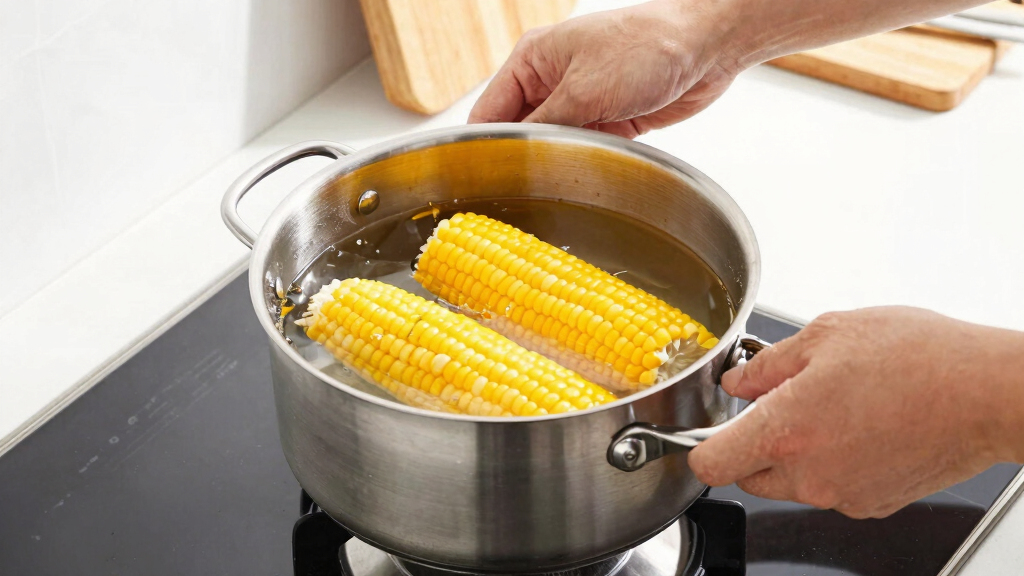
In interviews, multiple chefs emphasized the importance of a particular step: **adding a pinch of sugar to the boiling water** before cooking the corn. They stated this method increases the corn’s inherent sweetness without overpowering its natural flavor.
One chef explained, “A little sugar in the water helps to draw out the corn’s natural sugars during boiling, resulting in a sweeter, more tender cob.” This technique is supported by culinary experts who note that sugar enhances the caramelization process during cooking, boosting flavor.
While some chefs also recommend cooking the corn just until tender, they agree that the addition of sugar is the key factor. The consensus was reached through a series of informal interviews and social media discussions, with no conflicting opinions reported.
Why This Simple Technique Matters for Home Cooks
This shared rule offers a straightforward way for home cooks to improve their corn on the cob without complicated techniques or equipment. By simply adding sugar to boiling water, cooks can reliably enhance sweetness and flavor, elevating a common summer staple into a gourmet experience. This insight could influence how many approach corn preparation during peak season, making it a practical tip with noticeable results.
As an affiliate, we earn on qualifying purchases.
The Tradition of Cooking Corn on the Cob and Recent Tips
Cooking corn on the cob has long been a staple of summer meals, with various methods used to enhance flavor—boiling, grilling, or roasting. In recent years, culinary experts and home cooks have shared numerous tips online to improve results. The idea of adding sugar to boiling water is a relatively recent trend, supported by professional chefs who endorse it as a simple yet effective upgrade to traditional boiling methods.
Prior to this, common advice focused on timing and seasoning, but the consensus around sugar addition is gaining popularity as a reliable way to boost sweetness. This development reflects ongoing efforts to refine classic recipes with minimal effort.
“Adding a pinch of sugar to the boiling water is the secret to getting the sweetest corn on the cob.”
— an anonymous chef
As an affiliate, we earn on qualifying purchases.
Unconfirmed Aspects of the Corn Cooking Technique
While chefs agree on the benefit of adding sugar, it is not yet clear how much sugar is optimal or whether other variations (such as adding salt or butter) influence the outcome. There is also limited scientific research directly comparing this method to traditional boiling techniques under controlled conditions. The long-term effects on flavor profiles across different corn varieties remain to be studied.
As an affiliate, we earn on qualifying purchases.
Next Steps for Home Cooks and Culinary Testing
Further testing by culinary researchers and home cooks could establish precise measurements for sugar addition and explore its effects across different types of corn. Chefs may also experiment with combining this method with other flavor-enhancing techniques. Meanwhile, consumers are encouraged to try adding a pinch of sugar when boiling corn and share their results.
corn on the cob cooking accessories
As an affiliate, we earn on qualifying purchases.
As an affiliate, we earn on qualifying purchases.
Key Questions
Does adding sugar affect the cooking time of corn?
According to chefs, adding sugar does not significantly change the cooking time, which remains about 5-7 minutes in boiling water.
Can I add sugar to grilled or roasted corn using this technique?
This method is specific to boiling; for grilled or roasted corn, other flavor-enhancing techniques like butter or seasoning are recommended.
How much sugar should I add to the boiling water?
Chefs suggest a small pinch or about 1 teaspoon per quart of water, but exact amounts can be adjusted based on preference.
Will this technique work with all types of corn?
Most corn varieties should benefit from the method, but sweetness levels vary, and some types may respond better than others.
Is this method safe and healthy?
Yes, adding a small amount of sugar is safe and has minimal impact on health when used in moderation.
Source: rss
Halloween Picks
halloween
As an affiliate, we earn on qualifying purchases.