
TL;DR

Get kitchen gear delivered free — and shop member deals
- Fast, free delivery on millions of items
- Access to Prime Big Deal Days deals on October 6–7
- Prime Video, Amazon Music and more included
Alcohol stoves are compact, quiet, and inexpensive, ideal for boiling water and simple meals. But they struggle with wind, cold, and precise simmering, making them best suited for short, mild trips.
Alcohol stoves are best for short, simple trips where weight and noise matter most.
Wind, cold, and simmer control are their biggest weaknesses—plan your setup and trip accordingly.
Choose the right fuel (ethanol or methanol) and test your system before heading out.
Always prioritize safety: cook outdoors, keep fuel capped, and never leave a hot stove unattended.
Match your stove to your trip: alcohol for quick, light adventures; gas or liquid fuel for demanding or cold-weather trips.
Alcohol Stove Cooking: Pros and Limits
A tiny, nearly silent burner can weigh less than an apple and boil exactly what a minimalist trip needs. Its simplicity is compelling—but wind, cold, slow heating, and weak simmer control define where it belongs.
Small burner. Serious simplicity.
Alcohol stoves remove almost everything that can rattle, clog, pump, or fail. On short, mild trips, that minimalist design can make the entire cook system lighter, quieter, and easier to maintain.
Pocket-sized
Basic burners can weigh just 15–100 grams. Carry only the fuel your route requires instead of a partly full metal canister.
Few failure points
No pump, hose, valve, or moving mechanism means little maintenance and fewer components to clog or break.
Almost silent
The low-noise flame suits early coffee and quiet camps without the roar associated with many pressurized stoves.
Where the format shines
Relative field-fit scores summarize the stove’s strongest practical qualities. They describe suitability, not laboratory efficiency.
The weather always gets a vote.
Lower heat output is manageable in calm, mild conditions. Add wind, freezing temperatures, repeated cooking, or a large group, and the light burner’s advantages begin to disappear.
500 ml boil time
Expect broad variation by burner, pot, windscreen, temperature, altitude, and fuel. Field performance is a system result—not a burner specification alone.
The burner stays impressively light, but alcohol has lower energy density than common alternatives. On longer trips, the extra fuel required can erase the initial system-weight advantage.
Boil beautifully. Simmer reluctantly.
Treat an alcohol stove as a focused water-heating tool. It handles drinks, dehydrated meals, and quick one-pot food well; demanding techniques expose its lower power and limited flame adjustment.
| Cooking task | Field fit | Why | Best technique |
|---|---|---|---|
| Tea, coffee, dehydrated meals | ✓ Excellent | Built around a single efficient boil | Boil, extinguish safely, serve |
| Oatmeal, couscous, noodles | ✓ Strong | Short cooking and easy rehydration | Use a covered pot or insulated cozy |
| Simple one-pot meals | ~ Conditional | Works if cooking time stays brief | Boil-and-soak to reduce fuel use |
| Frying, searing, delicate sauces | ✗ Poor | Weak temperature modulation | Choose a controllable canister stove |
| Baking, snow melting, group meals | ✗ Avoid | High fuel demand and long runtime | Use gas or liquid-fuel equipment |
Field rule / A pot cozy turns residual heat into cooking time and compensates for poor simmer control.
Not every alcohol burns alike.
Availability varies by country and product name. Confirm the stove maker’s guidance, read the fuel label, and test the exact combination before relying on it away from home.
Ethanol
Generally clean-burning and well balanced for performance and availability. Denatured products remain poisonous and may contain unpleasant additives.
Methanol
Works in many burners and can be sold as marine fuel or fuel treatment. Highly toxic through ingestion, inhalation, and skin exposure.
Isopropyl
Common rubbing alcohol often produces soot, odor, and incomplete combustion. Even higher concentrations depend heavily on burner design.
Do not use gasoline, white gas, kerosene, or another petroleum fuel in a burner designed for alcohol. The wrong fuel can cause dangerous flames, fumes, spills, and equipment damage.
Measure. Shield. Watch. Snuff.
Alcohol flames demand attention because they may be difficult to see and burning fuel can spread. A repeatable setup reduces uncertainty from the moment fuel leaves its bottle.
Use only the tested amount needed for the planned boil.
Cook outdoors on a clear, level, nonflammable surface.
Cap the fuel bottle and never leave the hot stove unattended.
Use the dedicated snuffer and verify the flame is fully out.
The trip-fit spectrum
Alcohol wins toward the short, mild, solo end. As cold, duration, urgency, and meal volume increase, gas or liquid fuel becomes the more dependable choice.
Alcohol sweet spot Longer + variable
Compare systems Cold + demanding
Gas or liquid fuel
How can I see it?
Watch the burner carefully and use a nearby nonflammable reflective surface to improve visibility. Always assume a recently lit burner is still burning.
How should I carry it?
Use a clearly labeled, dedicated leakproof bottle. Keep it capped, upright where possible, and isolated from food and vulnerable gear.
How much do I pack?
Test your complete system, multiply 15–30 milliliters by planned boils, then add a sensible margin for wind, cold, and an extra hot drink.
Check current fire restrictions. Some jurisdictions prohibit alcohol stoves during fire bans because many models lack a positive shutoff valve.
Why You Might Love an Alcohol Stove for Your Off-Grid Kitchen
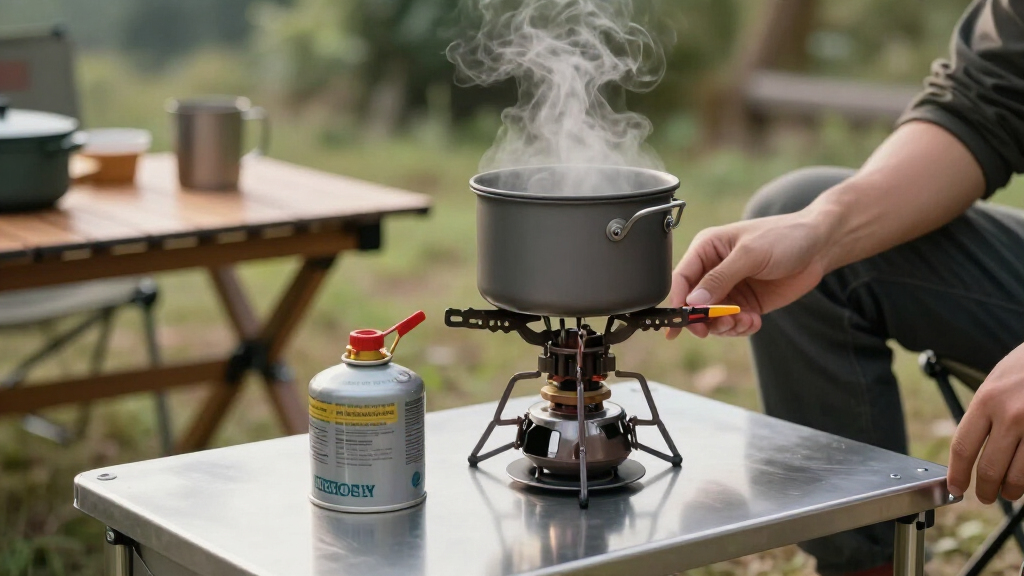
Alcohol stoves are the lightweight champions of outdoor cooking. They often weigh less than 100 grams, fitting snugly into a pocket or small pack. No noisy pumps, no complex valves—just a simple flame. They operate quietly, making them perfect for early mornings or late-night campsites where silence matters.
Fuel is usually cheap and easy to find, especially in countries where denatured alcohol or methylated spirits are sold at hardware stores. You can carry just what you need, avoiding bulky fuel cans. Maintenance is minimal—no clogged jets or delicate parts, just a clean, simple burner. Imagine boiling water for your coffee on a crisp morning, with a soft crackle and a faint aroma of alcohol—this is the charm of a well-used alcohol stove.
As an affiliate, we earn on qualifying purchases.
The Real Limits You Need to Know Before Relying on Alcohol Stoves
While they excel in simplicity, alcohol stoves have some serious drawbacks. They produce less heat than gas or liquid-fuel stoves, meaning longer boil times. This slower heating can be a critical factor in situations where time is limited or conditions are harsh, like cold mornings or high-altitude environments. The longer cooking times often mean more fuel consumption overall, especially if you’re trying to conserve weight but end up needing multiple boils.
Wind is a significant challenge—without a good windscreen, the flame flickers or extinguishes, forcing you to spend extra time and effort to keep your stove functioning. Cold weather compounds this problem by reducing vaporization, making it harder for alcohol to burn efficiently. This means priming or pre-warming the fuel becomes necessary, adding complexity. The limited control over simmering is another tradeoff; most models only offer a binary on/off flame, which can hinder delicate cooking or simmering of stews and sauces.
Fuel management also requires attention. Overfilling can lead to spills and waste, while underfilling might cause your stove to go out mid-cook. Additionally, alcohol flames are nearly invisible in daylight, which makes spotting a malfunction or spill more difficult. This invisibility can lead to accidental burns or fuel leaks if you’re not vigilant. Understanding these limitations helps you plan better and reduces risks during your outdoor adventures.
As an affiliate, we earn on qualifying purchases.
What Alcohol Stoves Can Really Cook Well (And What They Can’t)
Think of alcohol stoves as simple tools optimized for quick heating and boiling. They excel at bringing water to a boil rapidly for dehydrated meals, making hot drinks, or cooking quick, one-pot dishes like oatmeal or pasta. Their ability to provide steady, predictable heat for these tasks makes them reliable for basic outdoor cooking needs. The simplicity means less fuss—just light, wait, and enjoy.
However, their limitations become apparent when you try to cook more complex or delicate dishes. Searing steaks, frying eggs, or simmering sauces require precise temperature control and sustained heat, which alcohol stoves cannot reliably provide. The inability to modulate the flame means you risk burning food or having it undercooked. Long cooking times or baking are also impractical because the stove cannot maintain consistent low heat, making it unsuitable for recipes that demand gentle, sustained simmering.
For instance, a solo hiker can efficiently boil water for instant meals, but attempting to sauté vegetables or make a layered cake is unrealistic. Recognizing these boundaries ensures you select the right tools for your culinary ambitions and avoid frustration in the field.
As an affiliate, we earn on qualifying purchases.
Fuel Types: Which Alcohol Is Best for Your Stove?
Alcohol stoves burn different liquids—ethanol, methanol, and isopropyl alcohol—each with its quirks. Ethanol, often called denatured alcohol, burns cleanly and is usually the preferred fuel because it offers a good balance of performance, safety, and availability. Its cleaner burn means less soot and odor, which is better for both the environment and your gear. Using ethanol also reduces the risk of clogging or damaging your stove over time.
Methanol, which is sometimes available as marine or industrial fuel, burns hotter and faster but is more toxic. It requires careful handling and storage, as it can be absorbed through the skin and is more hazardous if spilled. Isopropyl alcohol, commonly found as rubbing alcohol, can work but tends to produce soot and strong odors, which can foul your stove and leave residues on cookware. These residues can impair performance over time and make cleaning more difficult.
Choosing the right fuel involves considering availability, safety, and your specific needs. For example, a backpacker in Europe might find ethanol readily available at hardware stores, making it the best choice. Conversely, someone in North America might prefer methanol from marine or hardware stores for its higher energy content. Never use gasoline, kerosene, or other fuels not designed for alcohol stoves—they are volatile, produce dangerous fumes, and can damage your equipment. Properly understanding and selecting your fuel ensures safe operation and optimal performance during your trip.
As an affiliate, we earn on qualifying purchases.
Frequently Asked Questions
How do I prevent alcohol flames from being invisible in daylight?
Use a stove with a visible flame or carefully watch the burner when lighting. Some users add a small piece of reflective material nearby to help locate the flame in bright conditions.What’s the best way to carry and store alcohol fuel?
Use a dedicated, leakproof container, clearly labeled. Keep it away from your food and gear, and store it in a separate pocket or kit to avoid accidental spills or leaks.How much fuel should I pack for a weekend trip?
Estimate based on your typical boil time—about 15–30 milliliters per boil—and add a safety margin. Testing your setup beforehand ensures accuracy and reduces waste.Conclusion
A small, quiet alcohol stove is a dependable companion for lightweight, mild-weather adventures. But don’t forget its limits—slow cooking, wind trouble, and cold sensitivity. Think of it as a tool for simple tasks, not heavy-duty or long-term cooking. When used wisely, it keeps your pack light and your outdoor experience safe and enjoyable.Fall Picks
fall essentials
As an affiliate, we earn on qualifying purchases.