
TL;DR

Get kitchen gear delivered free — and shop member deals
- Fast, free delivery on millions of items
- Access to Prime Big Deal Days deals on October 6–7
- Prime Video, Amazon Music and more included
Korean barbecue chicken is rapidly gaining international popularity, with new restaurants opening and social media boosting its visibility. This trend reflects growing global interest in Korean cuisine.
Korean barbecue chicken has seen a significant rise in popularity across the globe, with multiple new restaurant openings and viral social media campaigns driving interest. Industry experts confirm that this trend is affecting markets in North America, Europe, and Asia, making it a notable development in international food trends.
Over the past three months, several Korean barbecue chicken restaurants have opened in major cities worldwide, including New York, London, and Seoul, according to industry reports. Social media platforms such as TikTok and Instagram have played a key role in amplifying the dish’s visibility, with viral videos showcasing its preparation and consumption. Food critics and restaurant owners confirm that consumer demand for Korean cuisine, especially barbecue chicken dishes, has surged, leading to increased menu offerings and dedicated outlets. Experts attribute this growth to a broader interest in Korean culture and cuisine, fueled by K-pop, Korean dramas, and international travel.According to a spokesperson from the Korean Food Promotion Institute, the dish combines marinated chicken grilled over charcoal or gas, often served with dipping sauces and side dishes like kimchi and pickled vegetables. The preparation style varies regionally but typically emphasizes flavor complexity and social dining experiences. You might also enjoy our breaded chicken tenders recipe for a different twist on chicken dishes. Some restaurants are innovating with fusion twists, incorporating global flavors to appeal to diverse palates.While the trend is well-documented in major food markets, it is still unclear how sustainable this growth is and whether it will lead to long-term shifts in global eating habits. For more chicken options, see our chicken meatballs collection. Market analysts note that the surge could be partly driven by current social media trends, which tend to be cyclical.Why the Rise of Korean Barbecue Chicken Matters for Global Food Trends
This surge in popularity indicates a broader acceptance and appreciation of Korean cuisine beyond traditional dishes like kimchi and bibimbap. It highlights the influence of social media in shaping food trends and the increasing globalization of culinary tastes. For restaurants and food businesses, this presents opportunities for menu innovation and expansion into new markets. Additionally, it reflects a growing consumer interest in diverse, flavorful, and interactive dining experiences, which could influence future culinary offerings worldwide.
As an affiliate, we earn on qualifying purchases.
Recent Growth and Cultural Drivers Behind Korean Barbecue Chicken
The recent popularity of Korean barbecue chicken builds on the global rise of Korean culture, driven by K-pop, Korean dramas, and travel. Over the past year, several high-profile Korean restaurants and chains have expanded internationally, emphasizing Korean barbecue as a flagship offering. Social media influencers and food bloggers have contributed to viral trends, with videos of grilling and sharing the dish attracting millions of views.
Historically, Korean cuisine has gained recognition for its bold flavors and communal dining style. The current trend reflects a broader pattern of increasing interest in Asian cuisines, especially among younger consumers seeking authentic and interactive food experiences. Experts note that the dish’s versatility and social appeal make it well-suited to the digital age, where visual content drives discovery.
“We’ve seen a huge increase in customers requesting Korean barbecue chicken, especially after viral videos made it a trending dish.”
— Minsoo Kim, Korean Restaurant Owner in New York
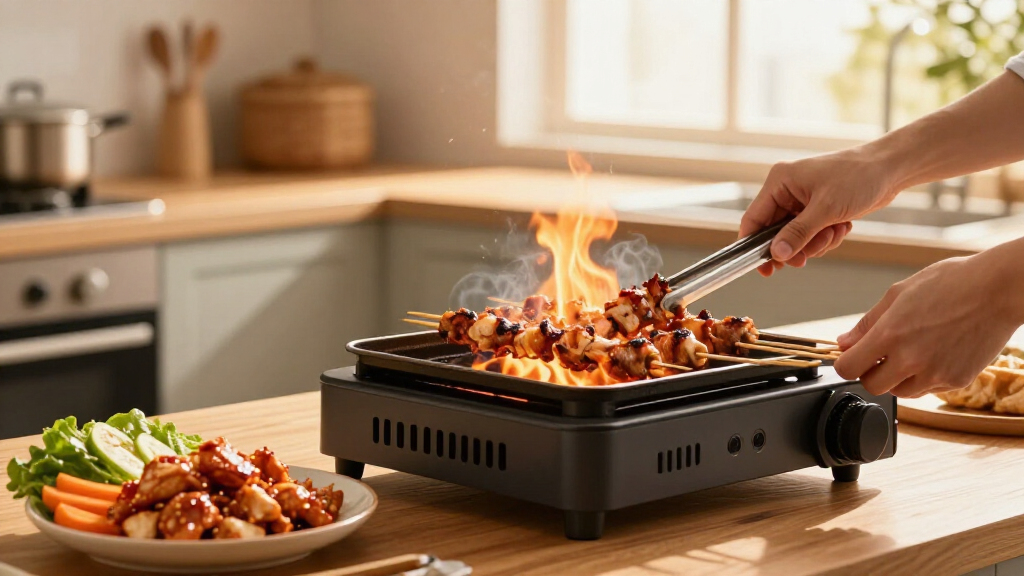
outdoor portable grill for Korean BBQ
As an affiliate, we earn on qualifying purchases.
As an affiliate, we earn on qualifying purchases.
Unconfirmed Aspects of the Trend’s Longevity and Market Impact
It is not yet clear whether the current surge in popularity will sustain long-term growth or fade as social media trends change. Market analysts caution that viral food trends often experience cyclical peaks, and the durability of Korean barbecue chicken’s global appeal remains uncertain. Additionally, data on actual sales figures and consumer demographics are still emerging, making it difficult to predict the full market impact.
As an affiliate, we earn on qualifying purchases.
Expected Developments and Future Market Movements
In the coming months, industry observers expect more restaurant openings dedicated to Korean barbecue chicken, especially in North America and Europe. Food festivals and promotional campaigns are likely to further boost awareness. Researchers will monitor social media trends and sales data to assess whether this popularity endures or if new viral dishes will supersede it. Long-term, the focus will be on how Korean cuisine continues to integrate into mainstream food culture globally.
As an affiliate, we earn on qualifying purchases.
Key Questions
What makes Korean barbecue chicken different from other grilled chicken dishes?
Korean barbecue chicken is typically marinated in flavorful sauces such as gochujang (red chili paste), garlic, and soy, then grilled over charcoal or gas, emphasizing bold flavors and a social dining experience.
While social media has played a significant role, the dish’s popularity is also driven by increased interest in Korean culture and cuisine, with restaurant openings and international travel contributing to its growth.
Are there regional variations of Korean barbecue chicken?
Yes, regional styles vary in marinade ingredients and cooking techniques, with some regions emphasizing spicier flavors or different side dishes, but the core concept remains consistent.
Is this trend expected to last long-term?
The sustainability of the trend is uncertain; it may depend on continued social media interest and consumer preferences for Korean cuisine, which could evolve over time.
Where can I try authentic Korean barbecue chicken?
Many Korean restaurants in major cities now feature barbecue chicken dishes, especially those specializing in Korean cuisine or barbecue styles. Look for establishments with good reviews and authentic menus.
Source: rss
Fall Picks
fall essentials
As an affiliate, we earn on qualifying purchases.